Books: Spring 2026

Having promised myself if no one else that it wouldn’t be another eight year span in between book reviews, here I am back four months later. I’d put it off again, but my list is already long enough to be barely manageable. As I’ll cover shortly, it’s been an interesting and eclectic few months of books. A bit of literary fiction, some genre fiction, some classic noir, sci-fi new and old, an unfortunately necessary dose of US history and finally some essential comic relief.

As always, I’m making no effort to review the following thoroughly or in detail. I’m not writing school-length book reports, not least because it’s entirely possible that I’ll be the only reader and I don’t need those. My goal here instead is to provide a high level value assessment, a bit of color commentary about the author, titles or both and leave the decision of whether anything sounds compelling up to the reader.

The only other thing to note is that the links are Amazon affiliates, because I always enjoy seeing if people find any of the books interesting, and if so which.

With that, on to the reviews.

The Good

Never Let Me Go, Kazuo Ishiguro
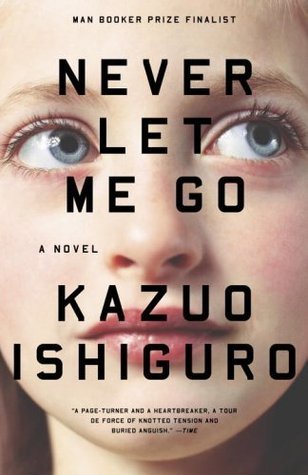

I’d somehow never gotten around to this title, but after several recommendations I finally gave Never Let Me Go a read. I was a little more ambivalent about the book than the folks that recommended it, but that’s because all I kept thinking about while reading it was a line from Jeff Goldblum’s character in Jurassic Park: “life will find a way.” I can’t explain any more than that without spoiling things, but if you read it, you’ll understand. Where I struggled with plausibility, however, the characterization, the quality of the prose and the underlying theme made this worth a read for me.

James / The Trees, Percival Everett
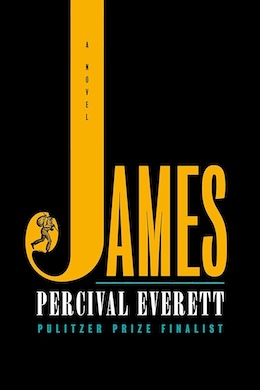

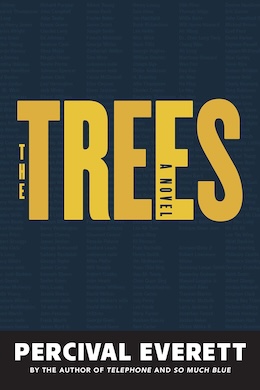
These two books are not connected other than their author and sharing a core theme of the Black experience in America, but I’m grouping them here because if you like one, you’ll almost certainly like the other. James is a retelling of Twain’s The Adventures of Huckleberry Finn (which I also re-read recently and is depressingly still very relevant) from Jim’s perspective with a very clever conceit, while the Trees involves two Black detectives investigating brutal race-related crimes that are seemingly impossible. I found James the more satisfying of the two because I struggled with the ending to the Trees, but these are both well worth your time. Everett can write, and these books have a lot to say about what it’s like to be non-white in America, both then and now.

Those Across the River / The Lesser Dead / Between Two Fires, Christopher Buehlman
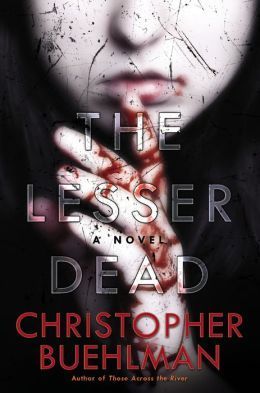
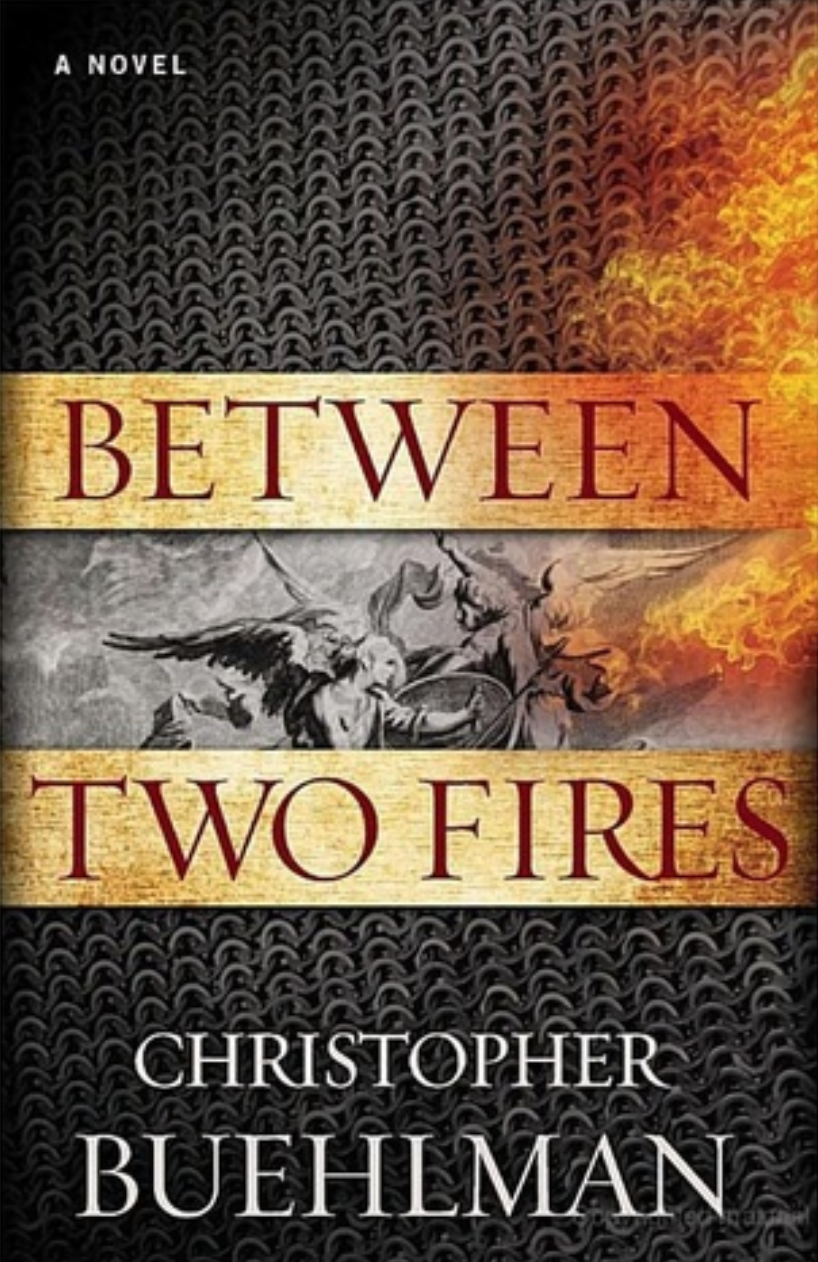
Equally brutal but less impactful because of the distance from reality that genre fiction affords, the first two novels are basically books about monsters. Which types, I’ll leave opaque here, but there’s a familiarity to both along with some genuine creativity when it comes to form. The Lesser Dead in particular attempts to use some of the standard tropes jujitsu-style, working against expectations, and while I thought the ending was a bit convoluted, it was a great read. Those Across the River was, as his debut novel, a little less sophisticated in both prose and format, but I enjoyed both of these books, though not as much as his much more ambitious historical fiction, Between Two Fires.

The Buffalo Hunter Hunter, Stephen Graham Jones
I haven’t had the opportunity to read too much genre fiction written from the perspective of Native Americans, but I’ll have to seek out more of it because the Buffalo Hunter Hunter was excellent. Other than the wrapper narrative, this is basically the stories of two men: a white minister and a warrior of the Blackfeet or Pikuni people. Central to the book is the Marias Massacre, in which the United States army attacked and murdered nearly two hundred Piegan Blackfeet – principally women, older men and children. This novel, and the story that unfolds, is about reckoning. And if you choose to read this, for what it’s worth, I highly recommend the audiobook. The narrators – Shane Ghostkeeper in particular – are exceptional.

There is No Antimemetics Division, qntm
I described There is No Antimemetics Division at one point as something like a cross between Max Barry’s Lexicon and The Magnus Archives podcast. Which doesn’t help much if you don’t know one or both of those, but it’s enough to say here that this is an intensely layered book, with reality as subjective as if Philip K. Dick had written it. As with Lexicon, or The Matrix or countless other sci-fi titles, the opening is purposefully, intensely confusing, but while I wondered if the novel, which had been written serially, would hang together and be coherent as a whole, the answer is generally yes.

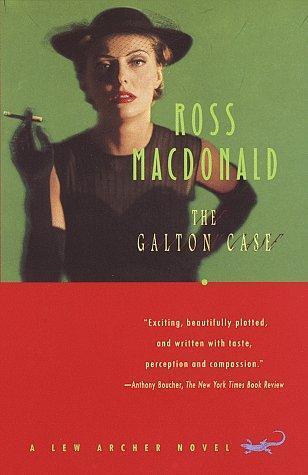
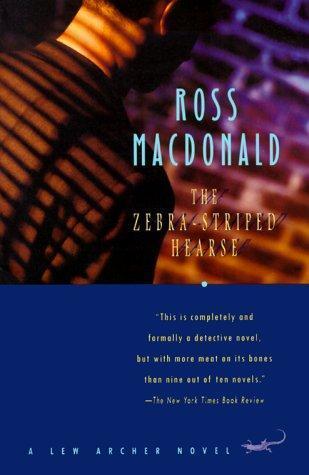
The Chill / The Underground Man / The Galton Case / The Zebra-Striped Hearse, Ross MacDonald
A little while back I fed my Goodreads list into Claude, an AI bot, and asked it to point out any obvious holes in my reading. One of them was the fact that while I’d read most of the classic noir titles from masters of the craft like Chandler and Hammett, not to mention heirs to their legacy like John D. MacDonald, I’d never read a single title from one of other giants in the field, Ross MacDonald (no relation to John D). Where Chandler had Philip Marlowe, Hammett had The Continental Op and John D. MacDonald had Travis McGee, Ross MacDonald’s series hero/anti-hero was a private detective by the name of Lew Archer. Curiously, Claude recommended I start with The Chill and The Underground Man which I liked least of the four that I read. The plots stretched and then snapped my ability to suspend disbelief, but there was enough to the books otherwise to read The Galton Case and The Zebra-Striped Hearse, and while they also were preposterous at times, they evinced a sense of style and quality of prose that made them worth it. I’d still rank Ross MacDonald well behind Chandler and Hammett, as well as my personal favorite John D. MacDonald, but the Lew Archer novels have substance to them and are least better than Rex Stout’s.

The Hilarious

Surely You Can’t Be Serious, David Zucker, Jim Abrahams and Jerry Zucker
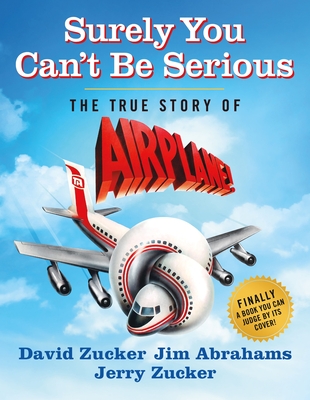

I don’t remember where I came across Surely You Can’t Be Serious, but this oral history of the making of Airplane was exactly what I needed after plowing through some of the depressing mid-twentieth century US history I’ll get to in a moment. The making of Airplane is a remarkable story of perseverance from Hollywood outsiders who changed comedies forever, and inspired countless comedians and filmmakers for decades – many of whom are quoted in the book. The book was educational, both about the film industry of the time in general as well as bits of trivia I’d never heard before, such as the fact that the Kentucky Fried Theater that made Airplane possible was also the inspiration for Saturday Night Live. But mostly the book made me laugh. This is another one to listen to as an audiobook if you can, as where possible it’s read by the actual actors, directors, comedians and filmmakers who contributed to it.

The History

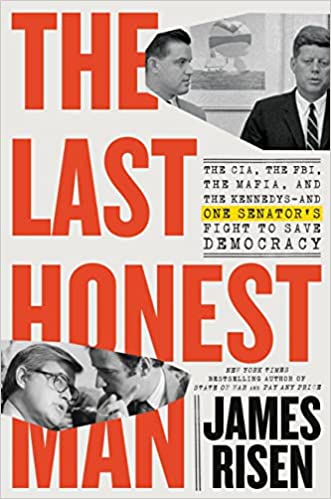
The Burglary, Betty Medsger / Fugitive Days, Bill Ayers / The Last Honest Man, James Risen
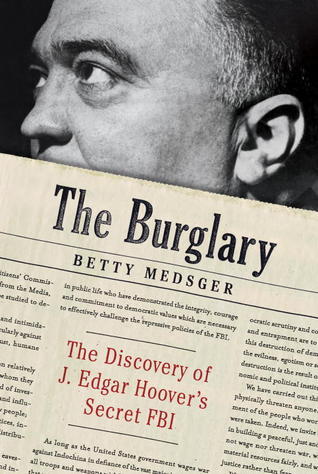
Getting back to that history, my consumption of non-fiction concerning the United States in the middle of the last century is apparently directly proportional to the current president’s administration. During his first term, I inhaled books like All the President’s Men, Days of Rage and Nixonland. This time around, it’s subjects like: a group of activists who broke into an FBI office to publish highly confidential documents that eventually broke open the shameful history of COINTELPRO, a first hand account from an activist of his thoughts and behaviors of the time and lastly a biography of a Democratic Senator from Idaho (imagine that) – Frank Church – who helped expose the US intelligence agencies’ near total lawlessness and lack of accountability. Of the three, Risen’s Last Honest Man is easily the best written, though the Burglary’s narrative is the most compelling at least until you get to the modern material. Fugitive Days, meanwhile, provided some insight into the mindset of the young activists, but was lighter on the underground insights than expected and both self-aggrandizing and shockingly sexist for a memoir written decades later. But if you are struggling with the parallels between the present day and the last time the country was tearing itself apart, any of the above titles will provide you with a much better education on the state of the United States in that span than I ever got in school.

Proto, Laura Spinney
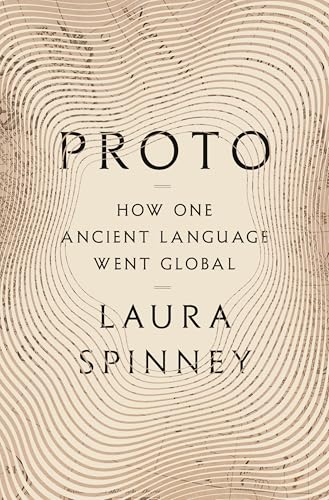
One of the criticisms of this book chronicling the rise of Proto-Indo-European, the ancient language from which everything from English to French to Sanskrit is descended, is that it spend more of its time on history than it does on linguistics, and it’s a fair point. Another is that the dots here, from DNA to ancient primary sources to linguistics, aren’t perfectly joined up. Also true. But in spite of that, Proto is a fascinating read if you enjoy history and want to understand more about how languages evolve. The extrapolation on the geographic path and timing of the Romany people via the presence – or lack thereof – of loan words, for example, was almost enough by itself to justify reading this. It’s dense, but recommended for all fans of history and possibly for linguists as well.

The Very Different

Do Androids Dream of Electric Sheep?, Philip K. Dick
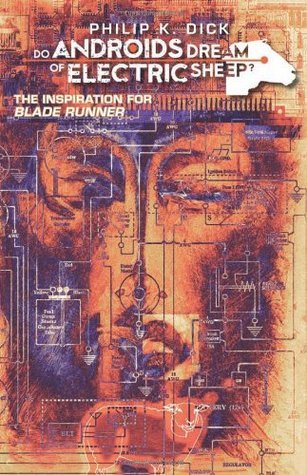

I knew Dick’s Do Androids Dream of Electric Sheep? differed greatly from its film incarnation Blade Runner, but I was unprepared for just how little the two had in common. Many of the characters are present in both, and the rough plot is similar enough. But Dick’s novel is as basic in its prose as it is inventive in its structure. It’s much more occupied with class and social mores than the film is and in that way reads more like a novel of the fifties than one published in 1968. Ultimately, it’s worth a read if only as a companion piece to the film, but approach it knowing that the two are deeply, radically different works of art.

The Meh

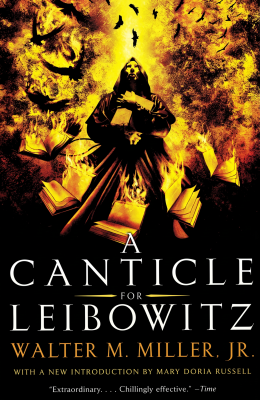
A Canticle for Leibowitz, Walter M. Miller Jr
Resize image width to 260px


Generally regarded as a science fiction classic and winner of the 1961 Hugo Award for best novel, A Canticle for Leibowitz did little for me. Miller did well to make the actual apocalypse of his post-apocalyptic world something of an afterthought, a vague background consideration. It elevates the book, which is structured in three parts, from a basic genre title to one with more ambition. But the religious themes were largely lost on me, and characters were difficult to relate to in any meaningful way. My recommendation if you read this is to keep your expectations minimal and understand that parts of the slow moving plots will be a slog.

The Plot Against America, Philip Roth
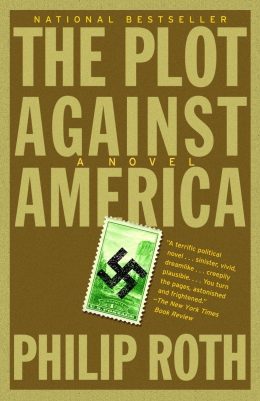
Widely considered one of the United States’ best novelists of the last century, having won the Pulitzer among other awards for American Pastoral, Roth’s The Plot Against America was in theory right up my alley. An alternative history, one in which Charles Lindbergh defeats FDR for the Presidency, it had a great deal going for it: a plausible alternative history set up (and one grimly relevant to the present day), the author’s undeniable ability to write and a plot which – while introduced too late – justified the read. But the novel spends so much time in the moment with its protagonist that it’s structurally weakened. Time has to be sped up on multiple occasions to actually advance the plot. Also, a microscopic view of the life of one child in New Jersey – and I can say this as a child who grew up in New Jersey – is not intrinsically the most fascinating of narratives even given the context, with the result a plot that seriously drags at times. The characters are fully fleshed out and three dimensional, and operate with the wide range of behaviors you’d expect from humans rather than cardboard cutouts. But other than the quality of the writing and the thought exercise of “Yes, It Can Actually Happen Here,” this was a long, slow read that I had to force myself to pick up and finish.
Books: Winter 2025

When I started posting quick reviews of things I’d been reading back in 2014, I didn’t commit to any regular schedule. As it turns out, that’s a good thing, because my first follow up was a year later, my second was two years after that and, as far as search can tell me, it’s been eight years since I last checked in.

Which means whittling down a list to check in about was a job in and of itself, because eight years is a lot of books. Some of these are more easily covered than others because they’re series – there are twenty complete Aubrey Maturin novels, for example, and I have no intention of trying to comment on them individually. Even so, I’ve had to leave off some recent reads like Holly from Stephen King (entertaining) or Death at the Sign of the Rook by Kate Atkinson (convoluted but worth it) simply because the list was getting too long. There are also a number of books that didn’t make the cut simply because they weren’t any good, but that readers would be unlikely to run into and thus didn’t warrant a warning unlike a few of the books below.

Anyway, I mostly post these reviews for my future self, because the following are not exactly fit for the New York Times Book Review. But in case you find yourself in need of a new read – or just want to know what to avoid – the following is for you. As always, I’ve added Amazon links not for the pennies I’d earn but to see whether any of the recommendations work, and if so which ones. 

The Good

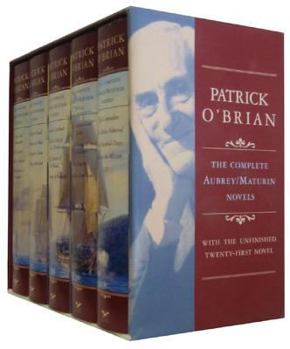
The Aubrey-Maturin Novels, Patrick O’Brian

Most people who’ve read any of the Aubrey Maturin series are shocked to discover that O’Brian was not a sailor, and had no naval history background at all. For those that have not, it’s an incredible discovery because these books are comically dense with nautical, naval and historical terminology, customs and events. Aubrey is the dashing but occasionally buffoonish English sailor and eventual captain; Maturin is his slender, Irish naval surgeon / naturalist / spy and best friend. Together they have a great series of adventures set against the backdrop of Napoleonic Europe. If you like historical fiction, this series is among the gold standards. And there’s no shortage of material.

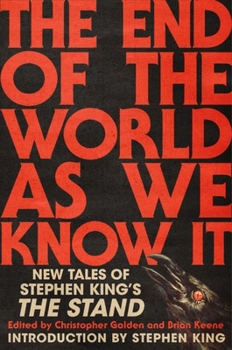
The End of the World As We Know It, Anthology

Released this summer, The End of the World As We Know It is a series of short stories set in the universe of The Stand, the post-apocalyptic novel by Stephen King. King gave this effort his official blessing, in fact, in return for one condition: that none of the short stories could leverage the main characters in that novel or change their fates. Which, as it turns out, is absolutely no impediment whatsoever from a creative standpoint, as this anthology traverses the post-Captain Trips world from Florida to Pakistan, from the Northeast to the Deep South. What would it be like on a small island? How about in a big city? If you enjoyed the Stand and want to return to that world viewed through a dizzying array of perspectives, this is the book for you. Like all anthologies, some efforts are better than others (the mermaid one was pretty weird), but overall it’s worth your time.

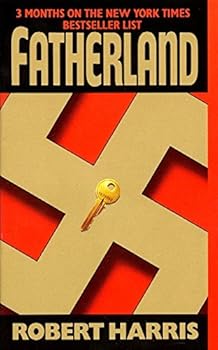
Fatherland, Robert Harris

As someone who studied Nazi Germany in college and reads more than his fair share of historical fiction, it’s not clear how I missed Fatherland for so long but I was glad to remedy my error. In tone and subject, it’s almost like a cross between The Man from the High Castle and V for Vendetta. It isn’t great literature in the way that the next novel is, but it’s well researched, the plot moves and isn’t entirely predictable, and it captures a plausible alternative future neatly enough that the resonance with the world around me at present was uncomfortable at times.

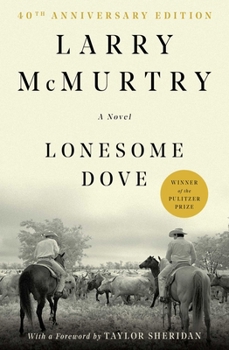
Lonesome Dove, Larry McMurtry

I’ve read Lonesome Dove two or three times previously, but every time as with my most recent re-read I was struck by what an incredible achievement it is. It is putatively a Western, but it is at least as much an incredibly diverse and three dimensional set of character arcs, an unvarnished and unromantic history of the West and a novel which implicitly and unpretentiously shows off its understanding of a very different time and world. How many Westerns, for example, turn on the difference between horse qualities or knowledge of water sources? Lonesome Dove is, inarguably, a staggering achievement.

What I had not known, however, was that it has both two prequels and a sequel. The bad news is that none of them are on the same level as Lonesome Dove. The good news is that there are few books that are, and both the prequels (Dead Man’s Walk and Comanche Moon) as well as the sequel, Streets of Laredo, will either spell out why some of the characters from Lonesome Dove are the way they are or explain how they died. The prequels are worth at least to see Call and McCrae as inept rookies who have absolutely no idea what they’re doing.

Tackling the four books is a lengthy task, however, so if you just read one, make it Lonesome Dove. You’ll be glad you did.

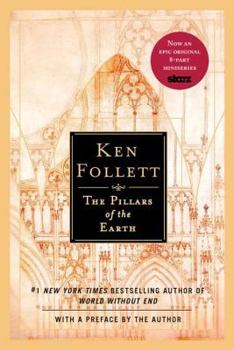
Pillars of the Earth, Ken Follett

I’d read several of Ken Follett’s thrillers growing up – Eye of the Needle first and foremost among them. But I’d somehow never gotten around to Pillars of the Earth, which according to the author at least is his fans’ favorite book of his. The scope of the plot involves the construction of a cathedral, and it is a work covering, ultimately, decades of 12th century history. While Follett had clearly done his research – particularly when it came to the construction of cathedrals and the rise of early mercantilism – this is not a novel that rubs that history in the readers face in the way that, say, the Aubrey Maturin novels do. Follett is ultimately more focused on the character arcs than the history they’re traversing, and overall it’s a novel with twists and turns and a good deal of historical context.

Fair warning, however, Pillars is a bit like Game of Thrones, both in its levels of violence – and especially sexual violence – and its propensity to put its main characters in harm’s way.

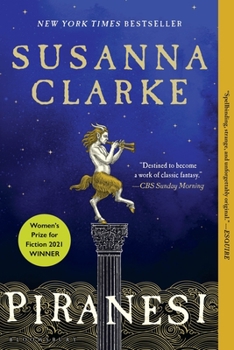
Piranesi, Susanna Clarke

Jonathan Strange and Mr Norrell is one of my all time favorite novels, so I was both elated and a little anxious when Piranesi was released. On the one hand, a new Clarke novel was exactly what I had been waiting for for years. On the other, it had no relation to the Strange and Norrell universe and, well, what if it wasn’t up to that standard? In the end, these apprehensions were silly, as Piranesi is an excellent novel, and entirely original. It’s a little bit like the Matrix, in that the opening is confusing and difficult to process, but as the novel progresses it picks up speed and all is revealed. It’s worth reading just to step into an entirely different universe, and Clarke writes so well.

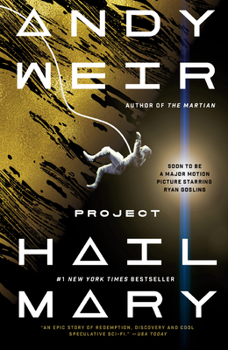
Project Hail Mary, Andy Weir

In my first review of books, I recommended the Martian for its precise technical detail and its immense sense of humor. I’d recommend Project Hail Mary for exactly the same reasons. While both novels involve space and spaceflight, however, and a protagonist – willing or unwilling – with a sense of humor, they are very different books. If you’re like me and the novel has not been spoiled for you before you get to it, there’s a point in the book about halfway through where you’ll think: this could go one of two ways, good or bad. I’m delighted to say it was the former.

One other note: if you can, listen to this on audiobook. I don’t usually say this, but I think it’s better than reading it in physical form. Once you’ve read it, you’ll understand why.

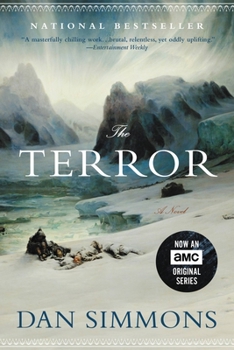
The Terror, Dan Simmons

AMC thought enough of Simmons’ novel the Terror to turn it into a TV series, though my understanding is that it’s only the first season that’s based on the book. The Terror is a fictional account of the lost vessels Terror and Erebus which were attempting to find a Northwest passage through the Arctic ice. At the time the novel was published in 2007, both the Terror and Erebus were still undiscovered, but by 2014 both had been located – and likely would have been far sooner if Inuit testimony had been accepted at face value. This novel has shades of the Aubrey Maturin novels in its level of historical detail and if they were on a polar expedition, but is also a creature feature as its revealed in the opening pages that something on the ice is killing off the men of the Terror and Erebus. If you like a horror novel with painstaking historical research, this is for you.

The Complicated

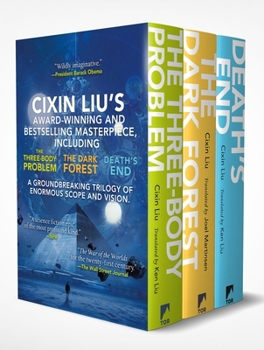
Remembrance of Earth’s Past Trilogy, Liu Cixin

There are many people who consider the Remembrance of Earth’s Past trilogy one of the finest works of science fiction ever written. Netflix certainly saw something in them, as they turned the Three Body Problem into a series. And it’s not hard to see what they saw. They are intricately plotted, and each novel is something of a tightly wrapped puzzle to be slowly revealed. Their scope is also wildly ambitious, using plot devices like hibernation to skip through thousands of years of history. I personally struggled with the novels, however, for a few reasons. There’s definitely a streak of misogyny to them, there are passages particularly in the first novel with its video game sequences that are very dull and many of the character decisions just don’t make sense. If you’re looking for a sci-fi series that zooms all the way out to look at and answer the Fermi Paradox, however, this will be right up your alley.

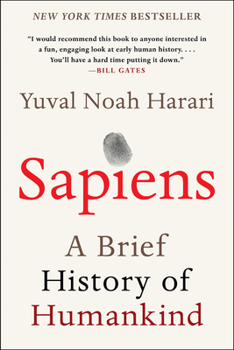
Sapiens, Yuval Noah Harari

On the one hand, Sapiens was interesting because most of the histories I read are focused on a few decades, a few hundreds of years or at most a few thousand. Sapiens, on the other hand, attempts to cover a million plus years of history, and that exercise is both novel and has value in terms of trying to gain new perspective on the passage of time. On the other hand, the challenge with covering that much history, and anthropology, and sociology, and botany and, well, you get the picture, is that you have to be an expert in every field. And no one, Harari included, is. As a result, there are people who…don’t think much of Harari’s existing knowledge base, or his research. For my part, even as a layman, there were whole sections that seemed either intuitively wrong, or in some areas where I have some specific research background, were wrong or at least misrepresented. And there were other sections that were borderline imperialist, racist or both. I’m glad I read it, in the end, because the exercise of zooming out was valuable as mentioned, but I had to take more or less the entire book with several grains of salt.

The Bad

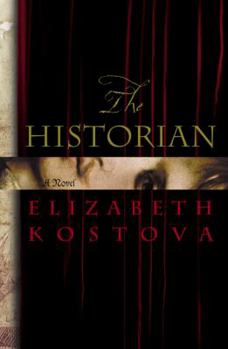
The Historian, Elizabeth Kostova

I won’t spoil the antagonist here, but suffice it to say The Historian is something of a horror novel. Unfortunately, while there was enormous hype around the release of this book, it seems to exist more as a travel guide than fictional story. The publishers apparently thought they might have the next DaVinci Code on their hands, and while it didn’t match that success, the quality of the writing was similar. The characters are relatively two dimensional, their relationships are implausible and the plot requires a constant suspension of disbelief. And the ending is anticlimactic, to put it mildly. Overall, one to avoid.

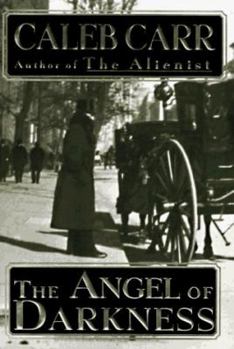
Angel of Darkness, Caleb Carr

Speaking of implausible, this sequel to the Alienist – Carr’s novel which has an Alienist, or proto-psychologist, turn detective – lurches from implausibility to another. Combined with the decision to have a narrator who is theoretically uneducated but essentially just reverts to the same stylistic crutch phrases over and over, I didn’t enjoy this one. The Alienist has its issues, but is worth a read. The Angel of Darkness, not so much.

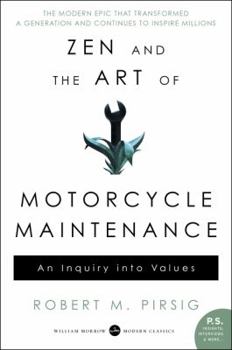
Zen and the Art of Motorcycle Maintenance, Robert Pirsig

At some point when I was in college, I remember people raving about Zen and the Art of Motorcycle Maintenance, so I decided I’d finally give it a read a couple of months ago. It’s entirely possible it’s my failings as a reader, but I found this an absolute slog. There are effectively two parallel narrative tracks; one part is a father and son motorcycle trip, which is complicated by some serious mental health challenges all around. The second is a lengthy, dense and – for me, at least – tedious philosophical discussion on the nature of “quality.”

As mentioned, it could just be me, but I do not understand at all what people see in this book.

The Meh

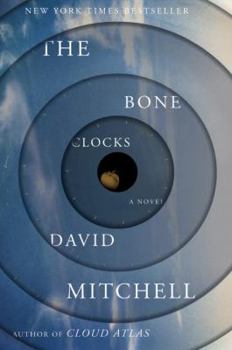
Bone Clocks / Cloud Atlas, David Mitchell

These are two different novels by David Mitchell, with some minor overlap in characters. While they have their moments, and they’re inventive, I didn’t particularly enjoy either one. Part of it is that Mitchell has a gift for writing unsympathetic and at times, repellent, characters, and part of it particularly with Cloud Atlas was the structure. The latter was an attempt to mimic If On a Winter’s Night a Traveler by Calvino, which I’ve reviewed previously. I’m glad I read Calvino’s book but I didn’t enjoy it, and I enjoyed Cloud Atlas even less – though still more than The Bone Clocks. It’s also worth noting, for whatever it’s worth, that Mitchell is not terribly optimistic about the future, and his books reflect that.

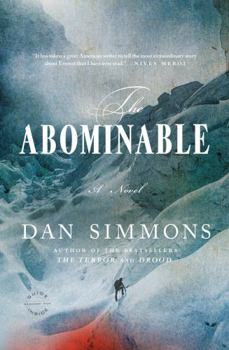
The Abominable, Dan Simmons

The Abominable is a novel released after Simmons wrote The Terror, and the initial conceit (don’t skip the introduction, because it’s not actually an introduction) demonstrates pretty clearly that the author is trying to ward off claims that he’s just rewriting the Terror in another extreme setting. Which shouldn’t have been necessary, because while they have weather elements in common, this was a very different novel, not just because it substitutes mountain climbing detail – and boy is there a lot of that – for naval detail. The Abominable is much more of a thriller than horror story, though there are elements of that as well (please no one suggest a sky burial for me). Ultimately it’s not a bad book, but there is a lot disbelief to be suspended and the central MacGuffin of the story really doesn’t make much sense if you think about it. If you like novels about mountain climbing, however, this will definitely be your jam.

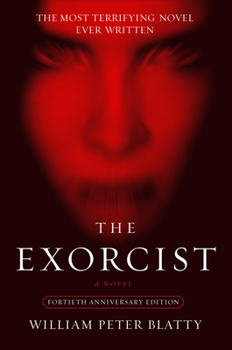
The Exorcist, William Peter Blatty

Easily the most surprising reaction I had to any of the books on here was the Exorcist. As someone who enjoyed the movie as a kid, and the third sequel as a college kid, and hadn’t read it since maybe high school, I expected a lot more from the book. Instead, there were long stretches were I was simply bored – a reaction I never would have anticipated. Either it hasn’t aged well or I haven’t.