
Another year has come and gone, and a lot has happened. Most of it, given the realities of the world around me, bad. But I only have so much control over that. My focus here will be mostly the good, some just the memorable (such as when Sully got sprayed by a skunk). And as usual, this is written primarily for future me. For those that want to follow along with my various adventures and misadventures in 2025, you are most welcome. But I don’t expect the basic day to day activities of my life to be terribly compelling to someone other than me, so apologies in advance for anyone who keeps reading.
Travel
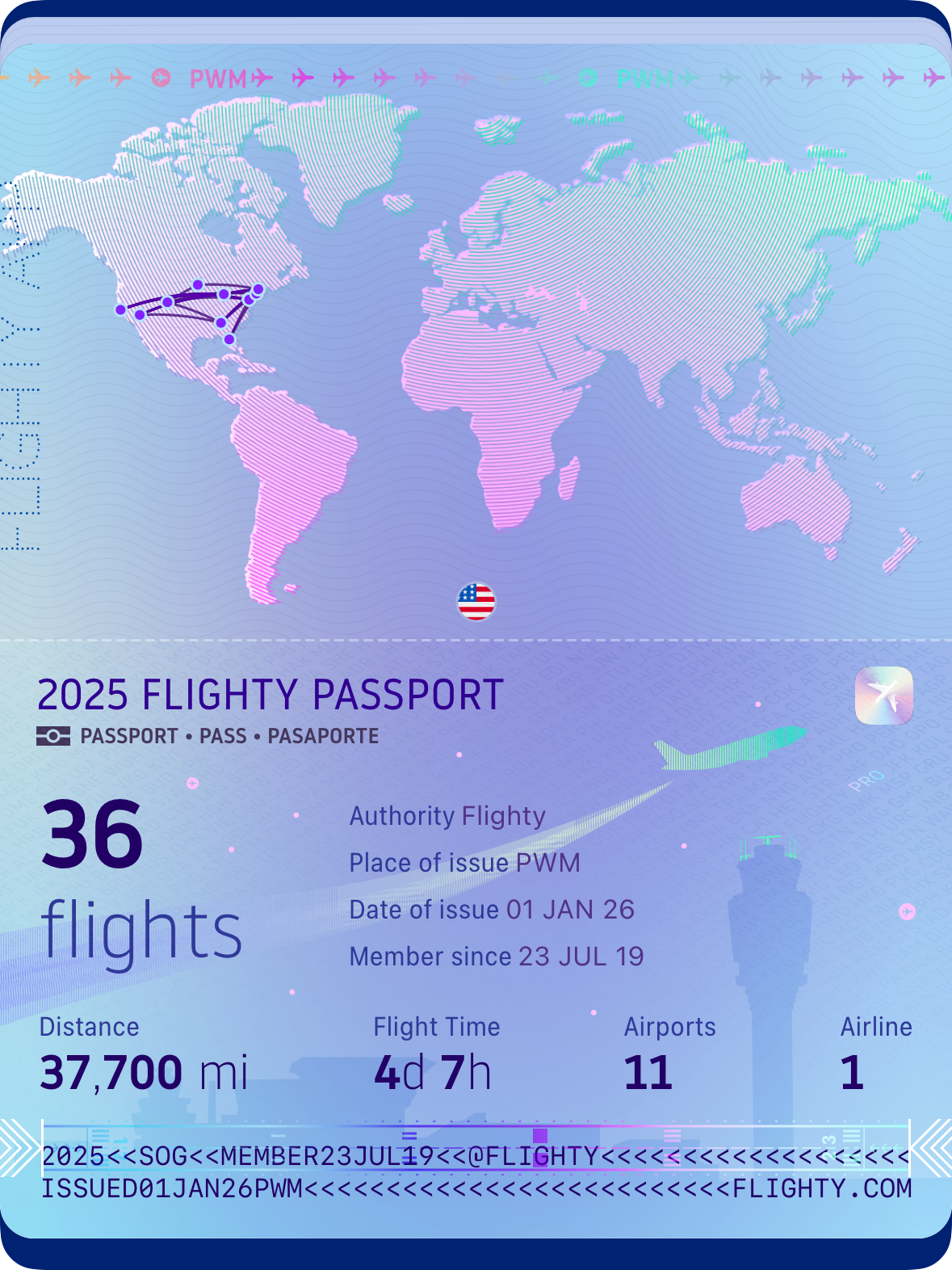
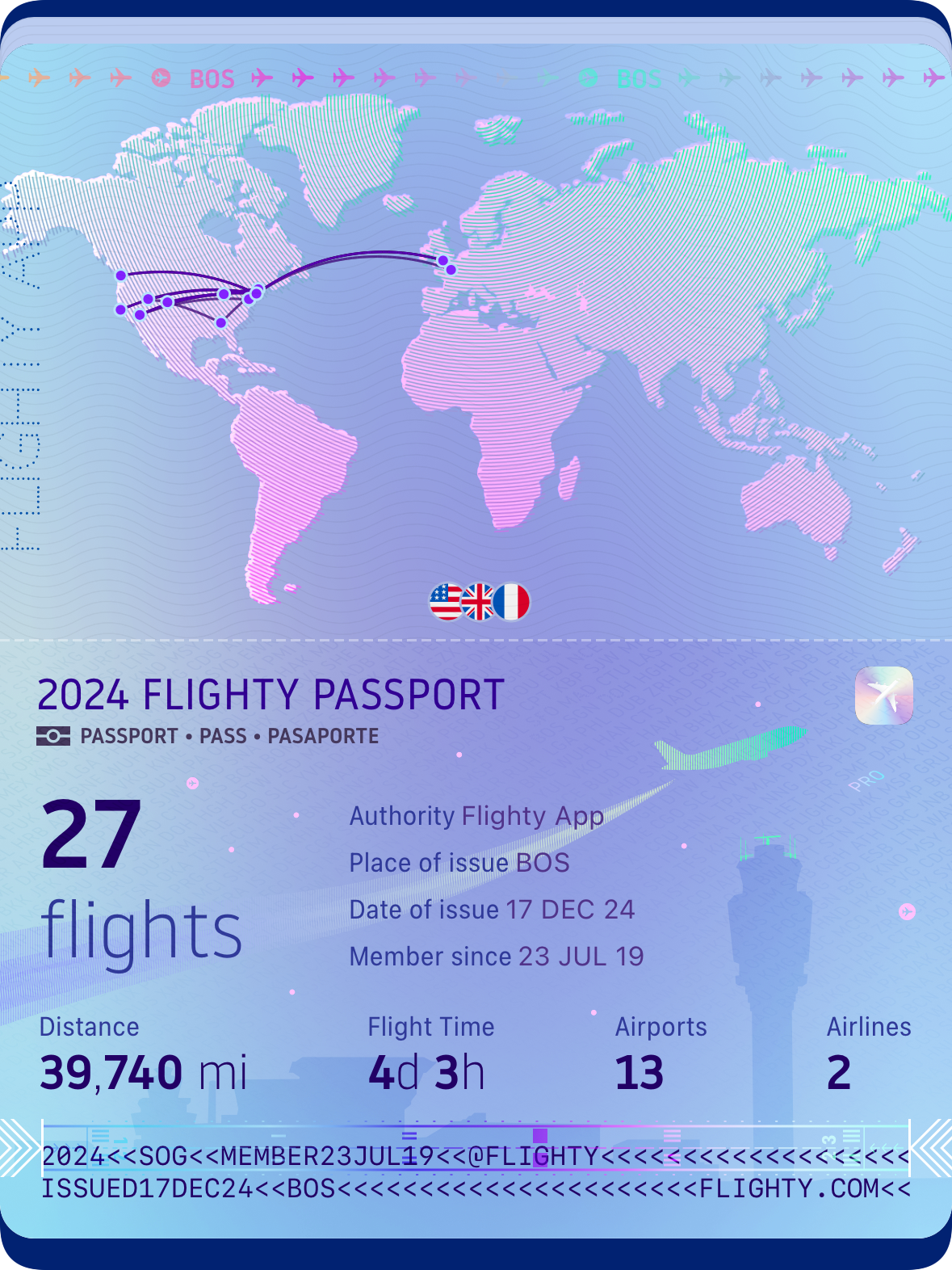
For the first time in three years, my travel actually ticked down, if only slightly from ~39K miles to ~37K. Some of that was merely the good fortune to have a couple of work events in Boston rather than cities I have to get on a plane to visit, but overall my travel remained more manageable than in years past.
The goal for 2026 is to hold, or even reduce that number. I qualified for Delta Platinum this year on my last flight; if I’m slated to miss it next year, paying the difference would be well worth the investment and saved time.
Health
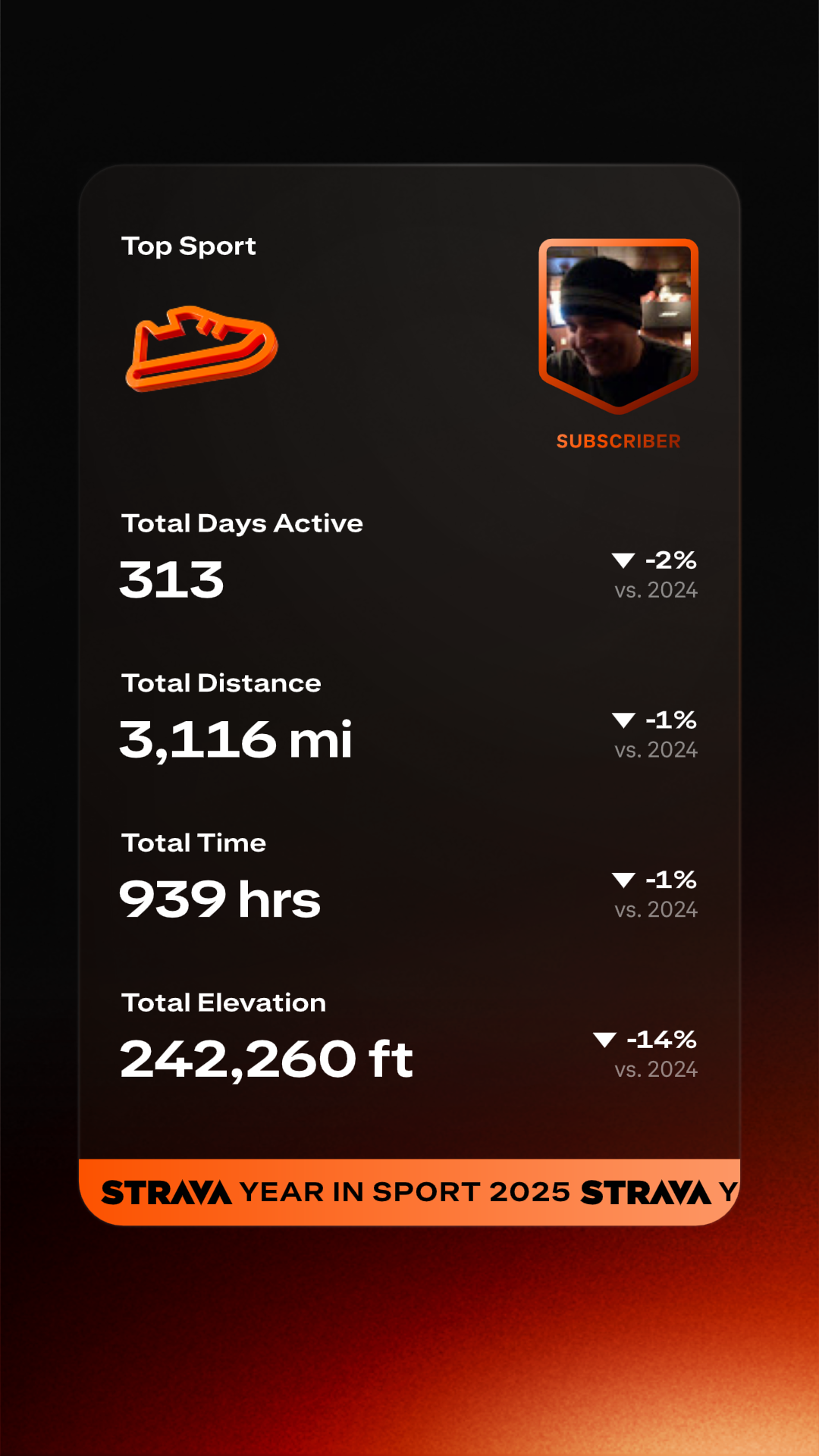
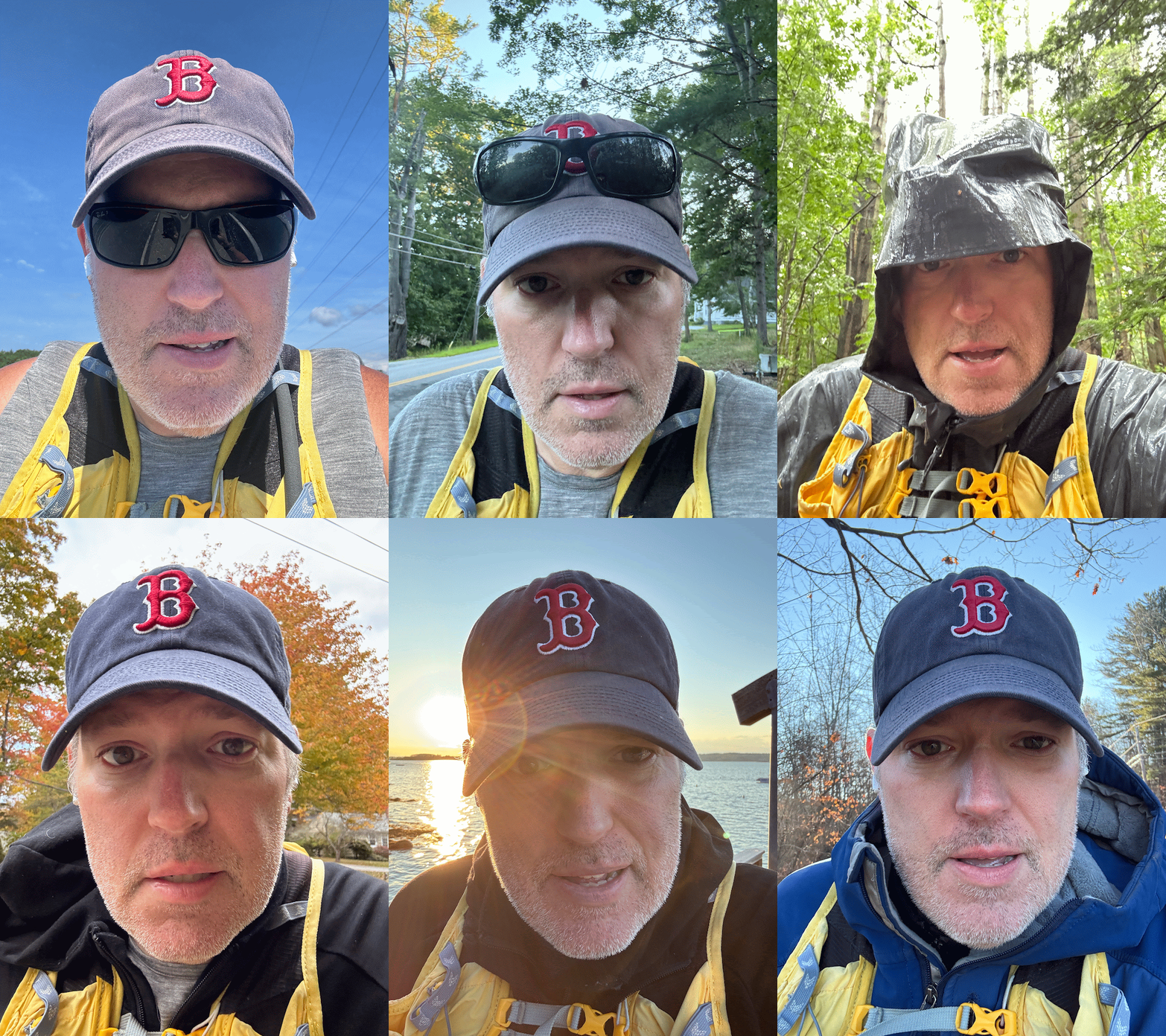
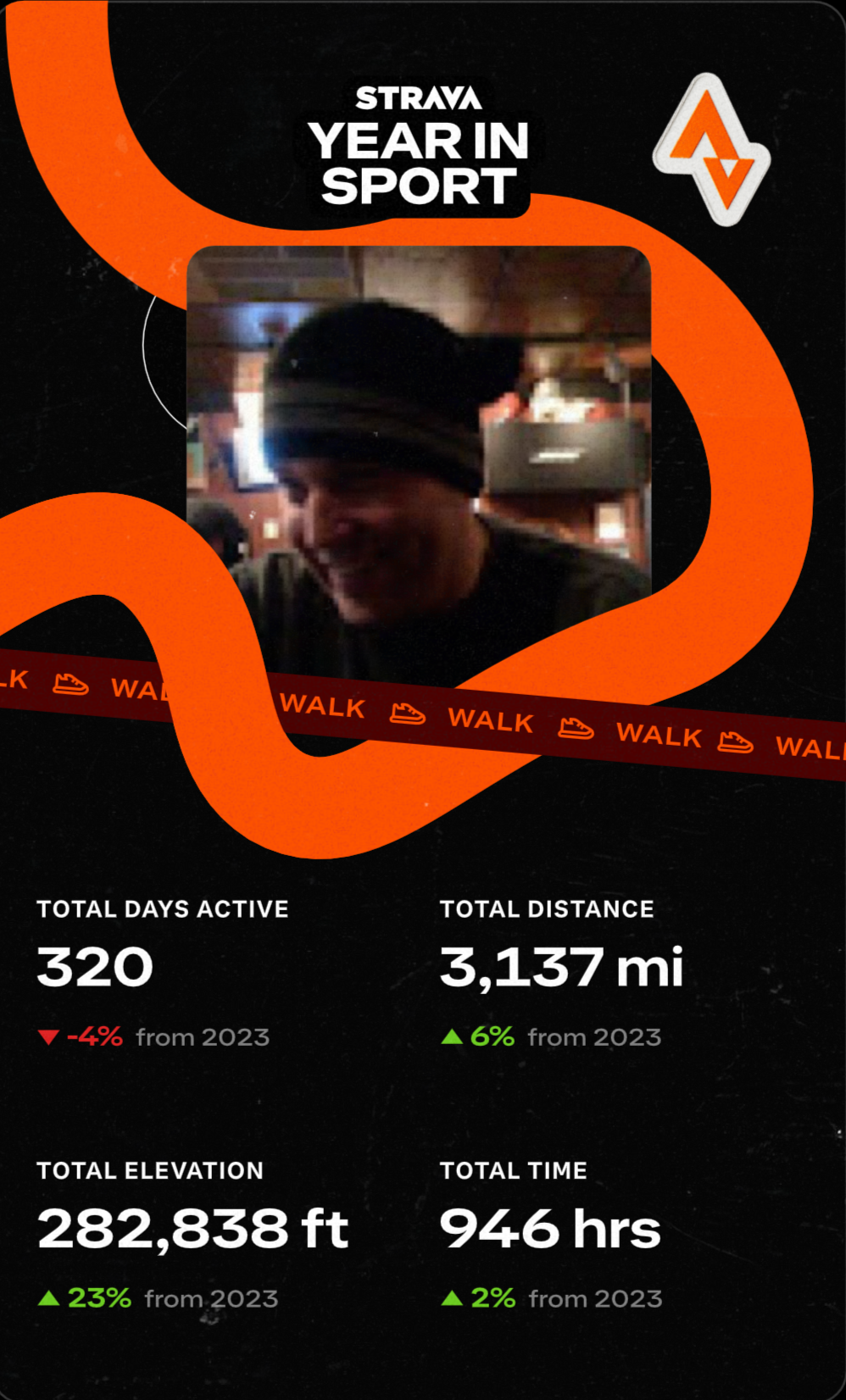
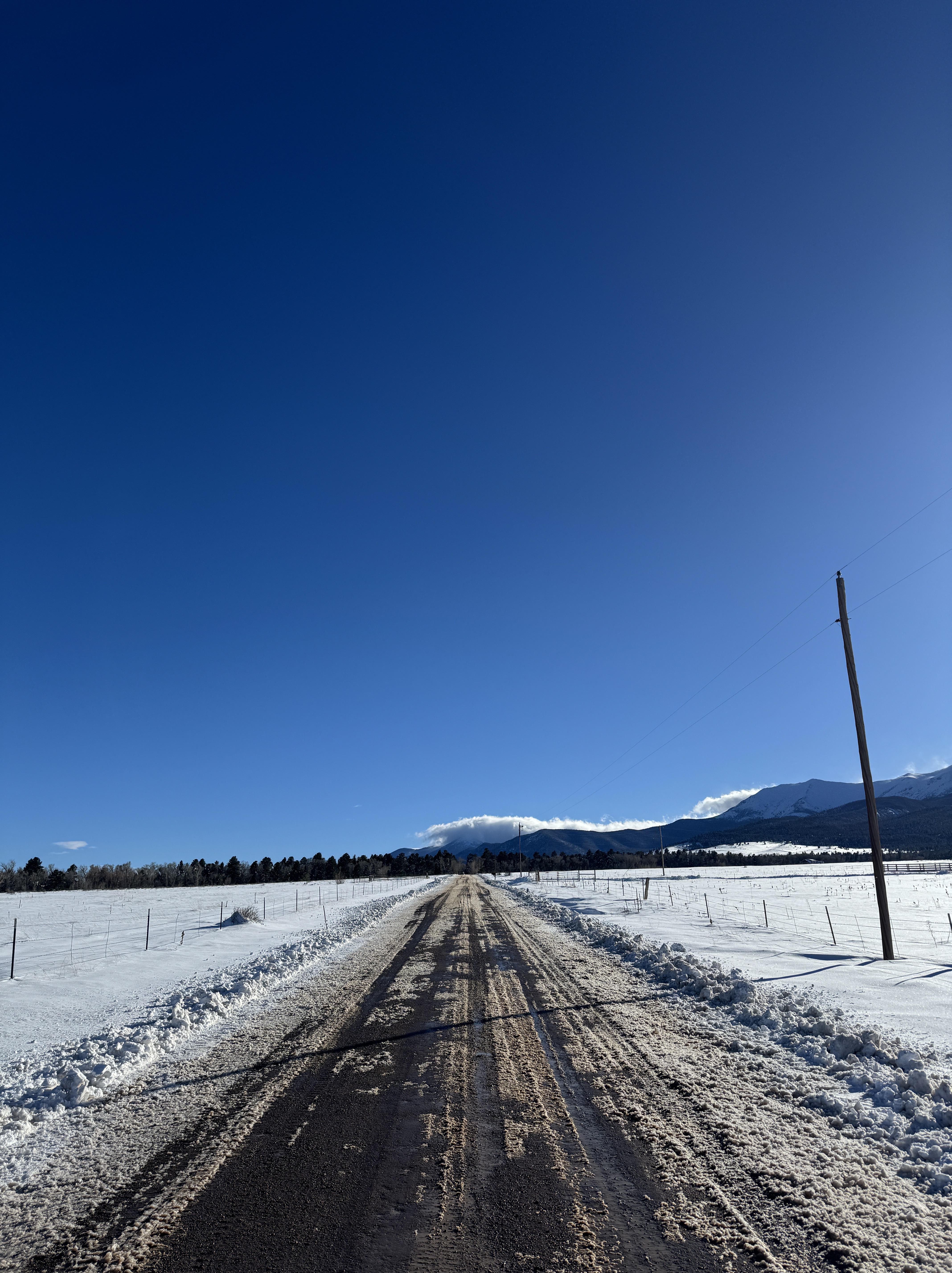
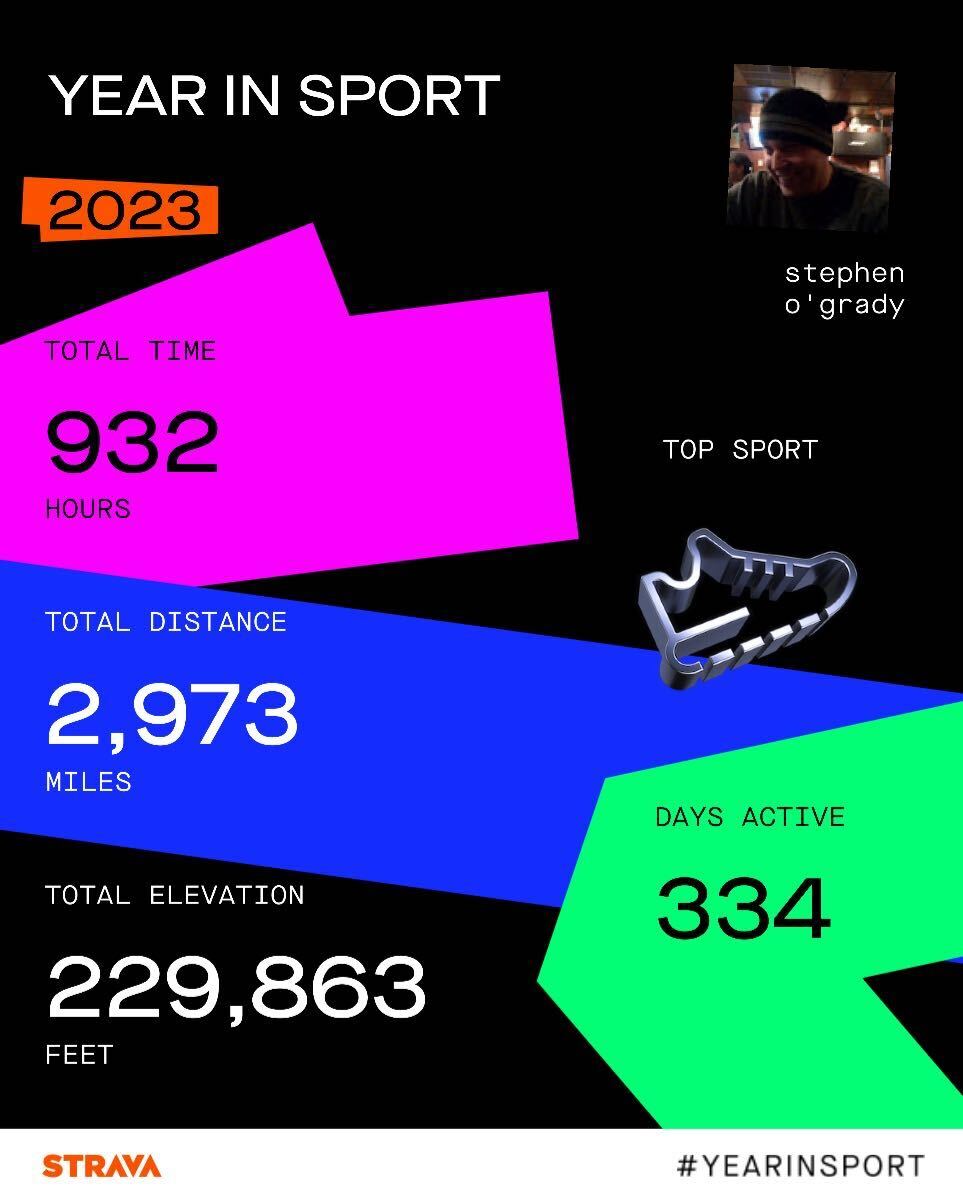
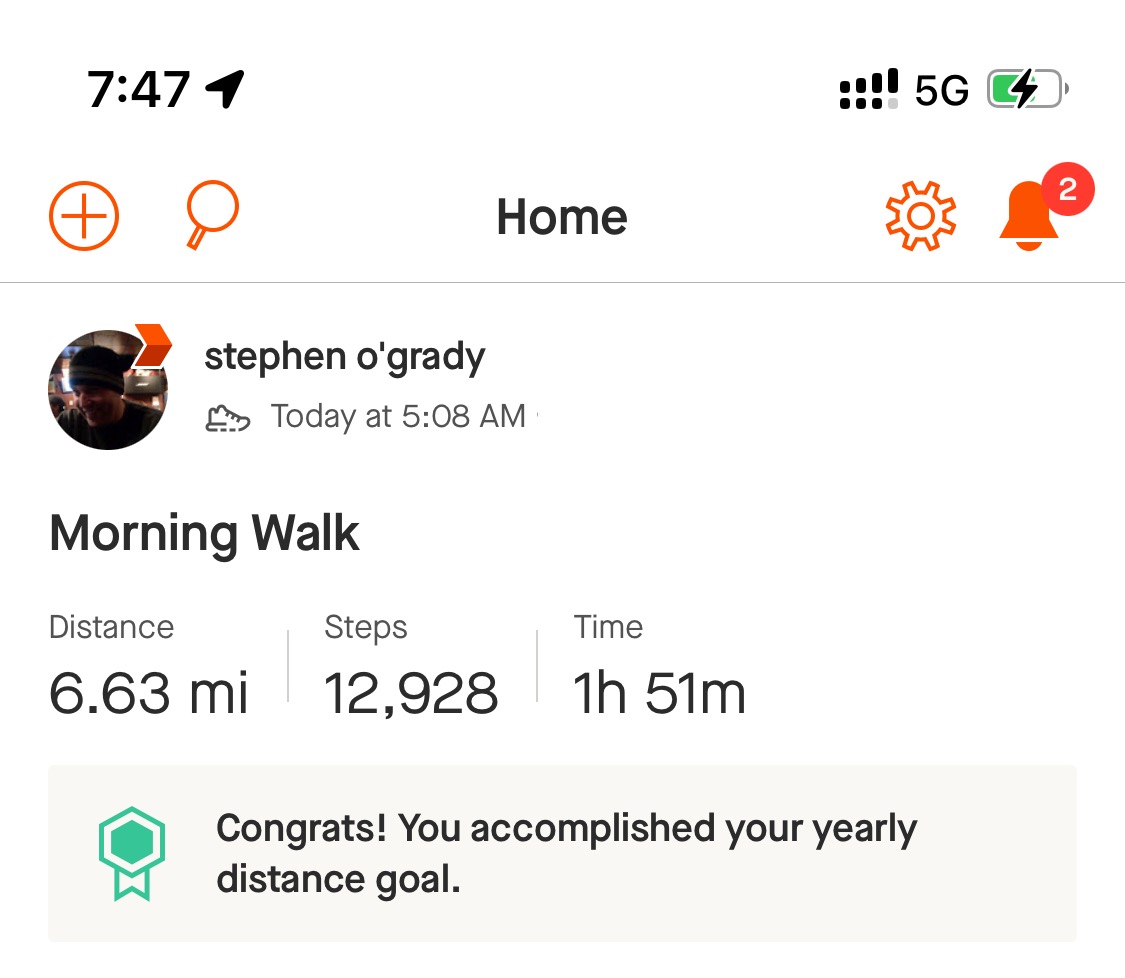
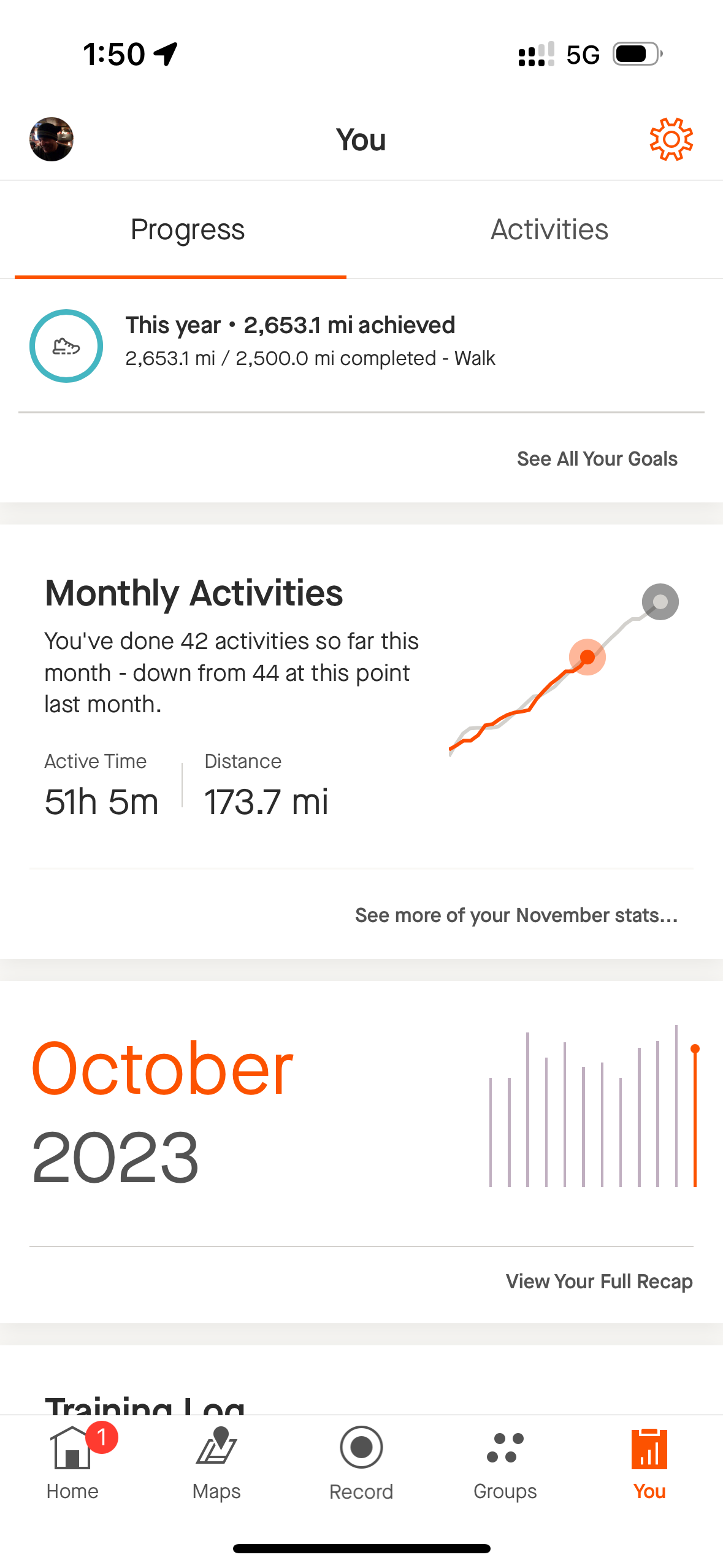
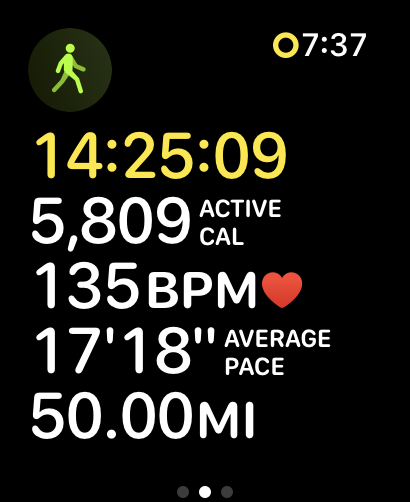
This is essentially a glass half full / half empty section. On the bad news side, my weight ticked up rather than down a tiny bit and I did not make my admittedly aggressive walking mileage goal of 3,178 miles – the distance from our house to San Francisco. I didn’t even match last year’s mileage, in fact; I was ~20 miles short of last year’s total at 3,116 miles walked in total. I also did not get my planned 60 mile walk in, due mostly to poor scheduling on my part – it’s much harder to do that with snow on the ground, because an extra minute or two per mile times sixty miles significantly lengthens the effort.
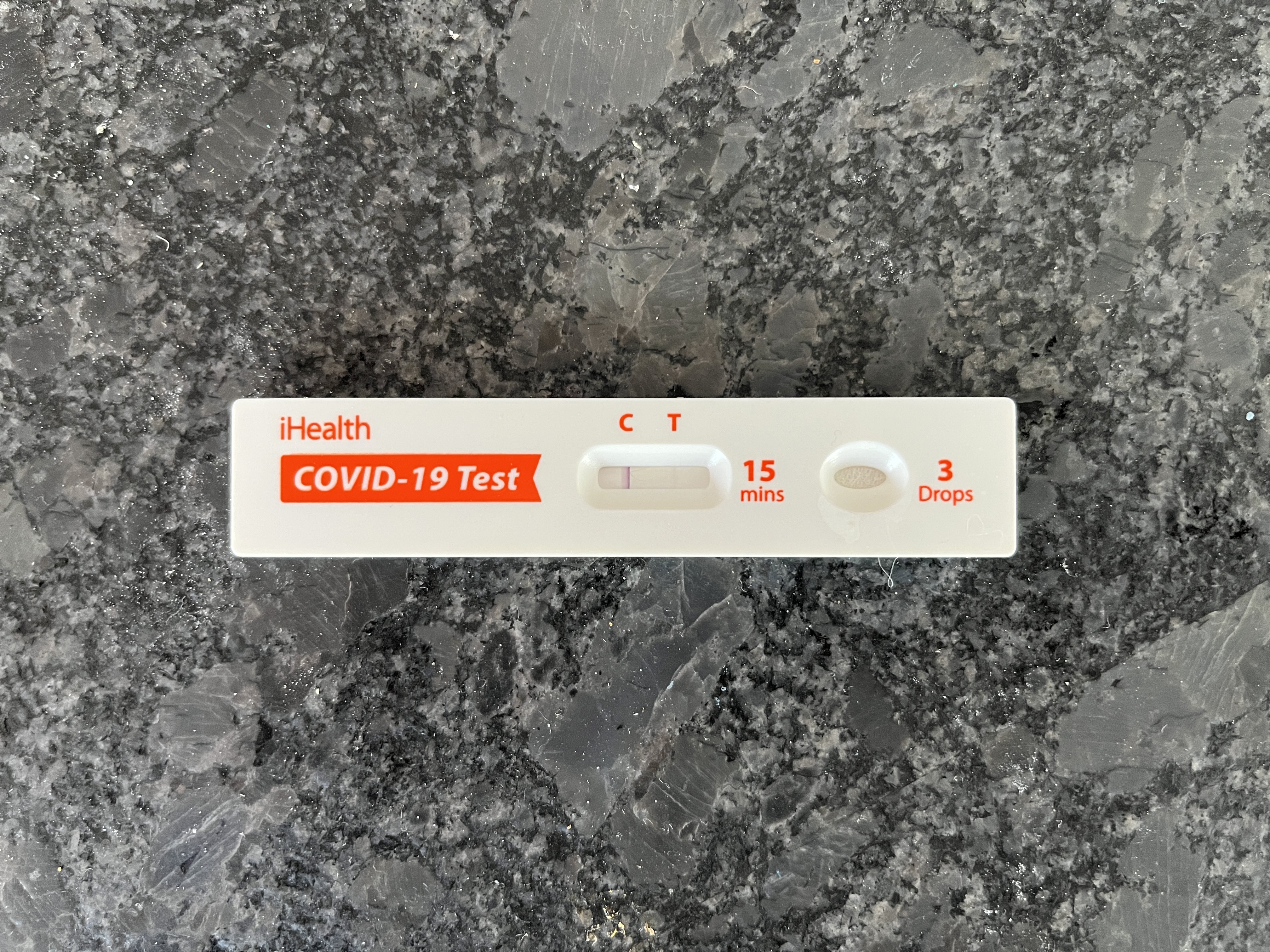
But on the flip side, it was a challenging year in many respects. Work was busy, and while my health overall was fine and I managed to not get COVID when both girls got it in late September, after years of not getting either I managed to get both flu A and B in the same winter. Between the travel, then, and the various illnesses – both mine and the family’s – I’m comfortable with what I accomplished this year. Walking over three thousand miles is a significant commitment, both in terms of time, the number (and cost) of shoes you go through and the early mornings you have to put in to make it all work. 3100 miles is still 3100 miles.
Net net, then, it could have been better, but it could have been a lot worse. My focus on this year is trying to better this year’s mileage number, continuing the process of taking off weight I’ve gained and restarting my yoga practice because…yikes. Functionally, my limbs are roughly as flexible as rebar.
With all of that said, on to the pictures.
January 5
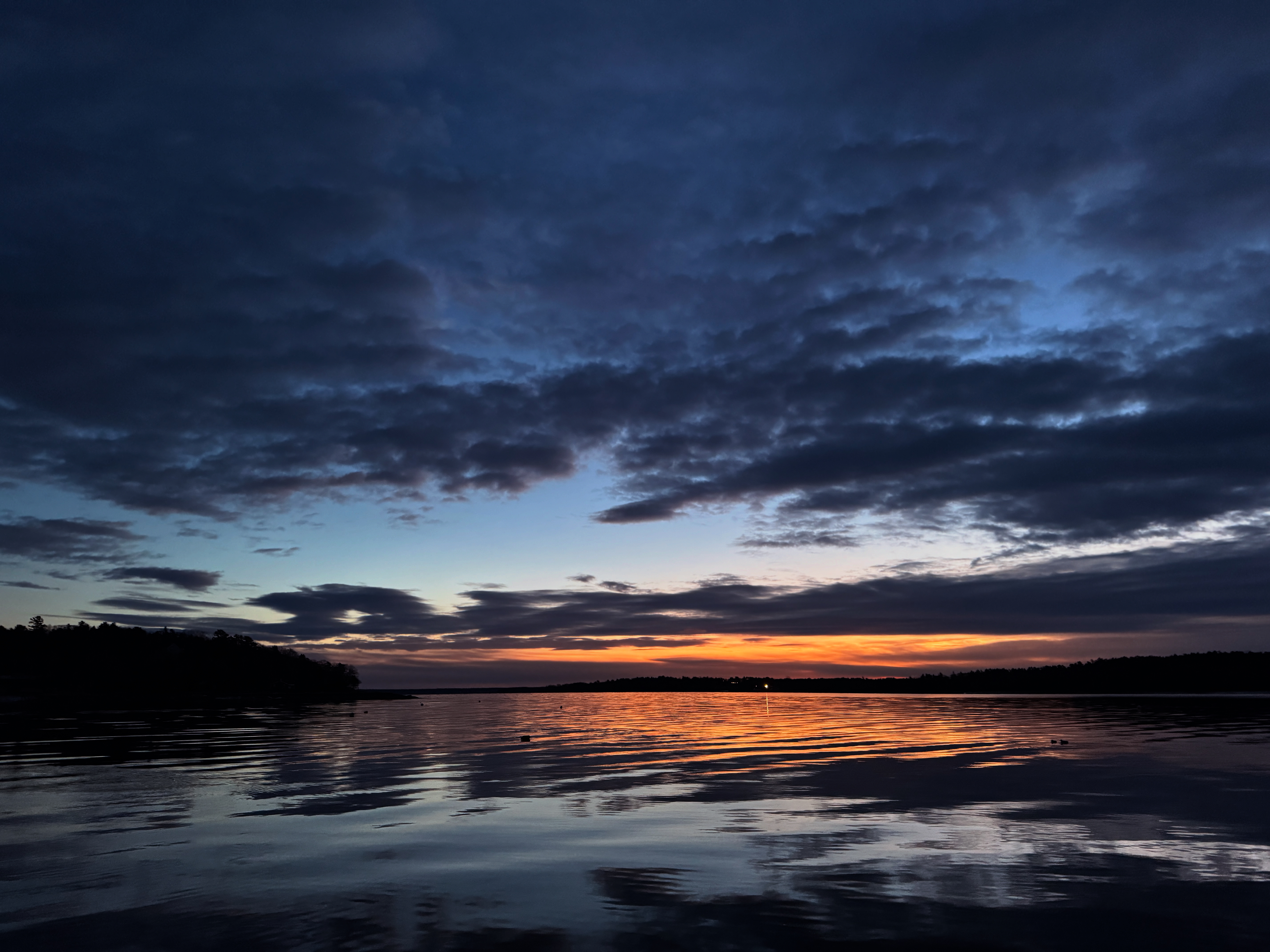
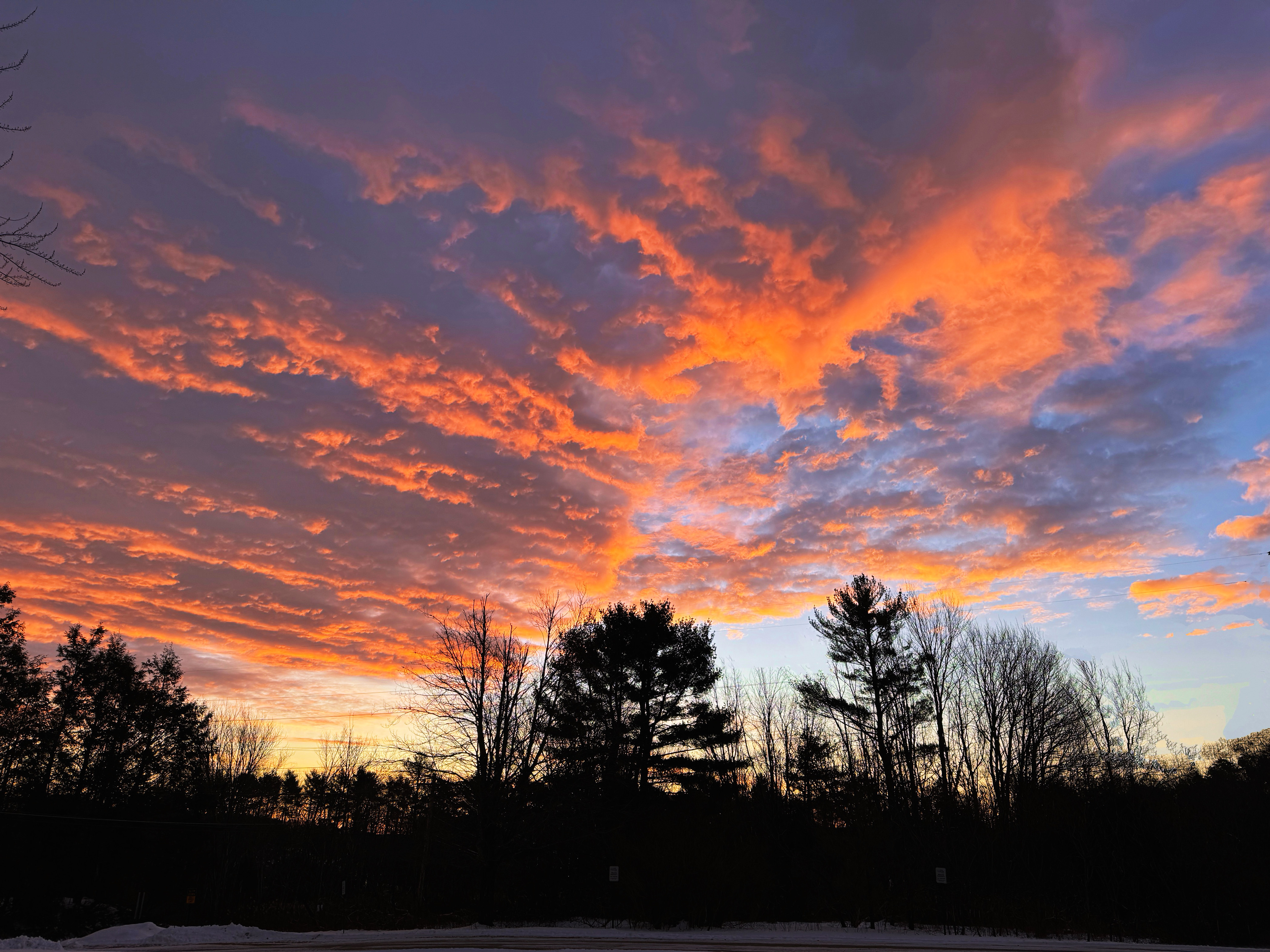
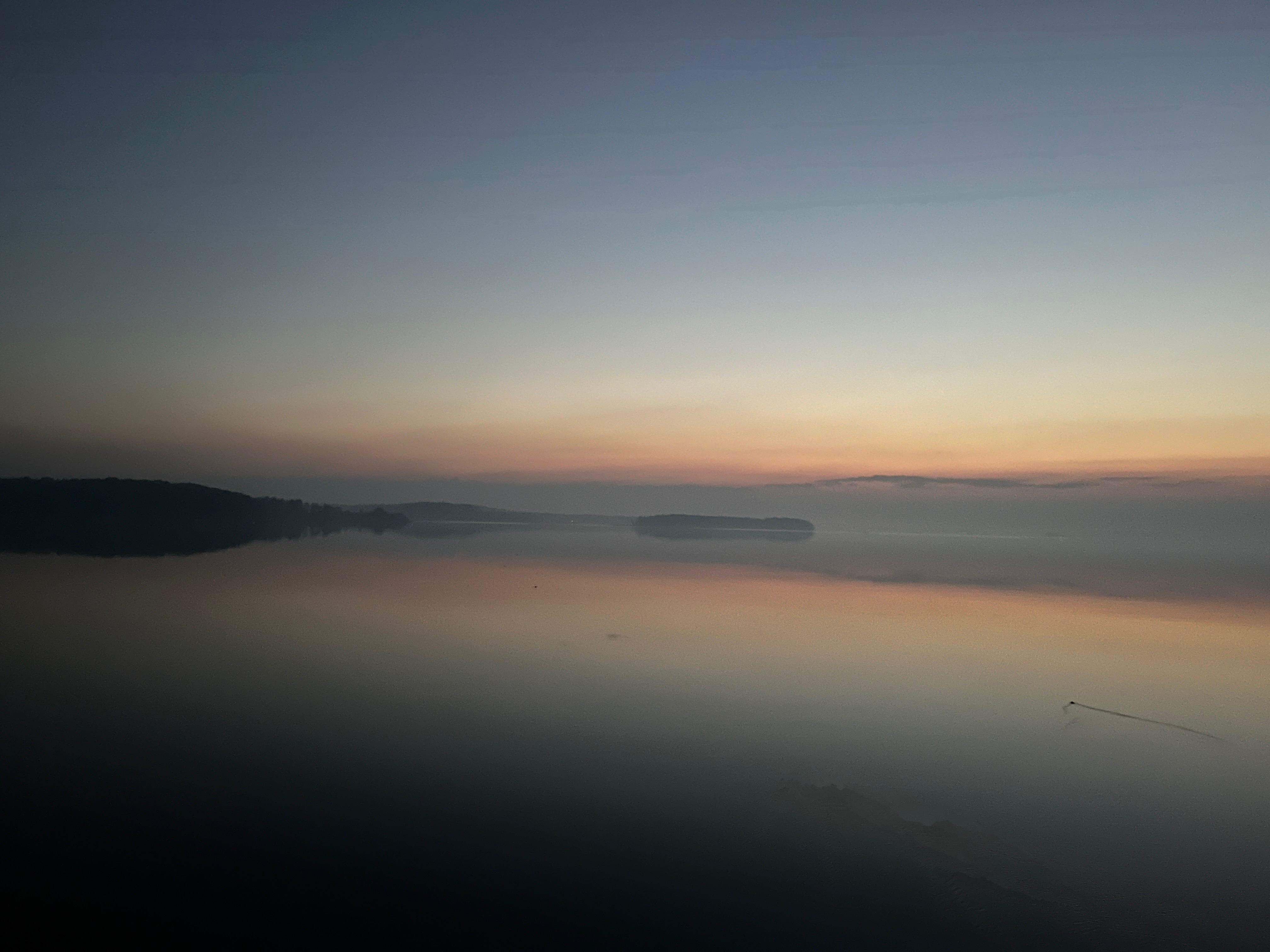
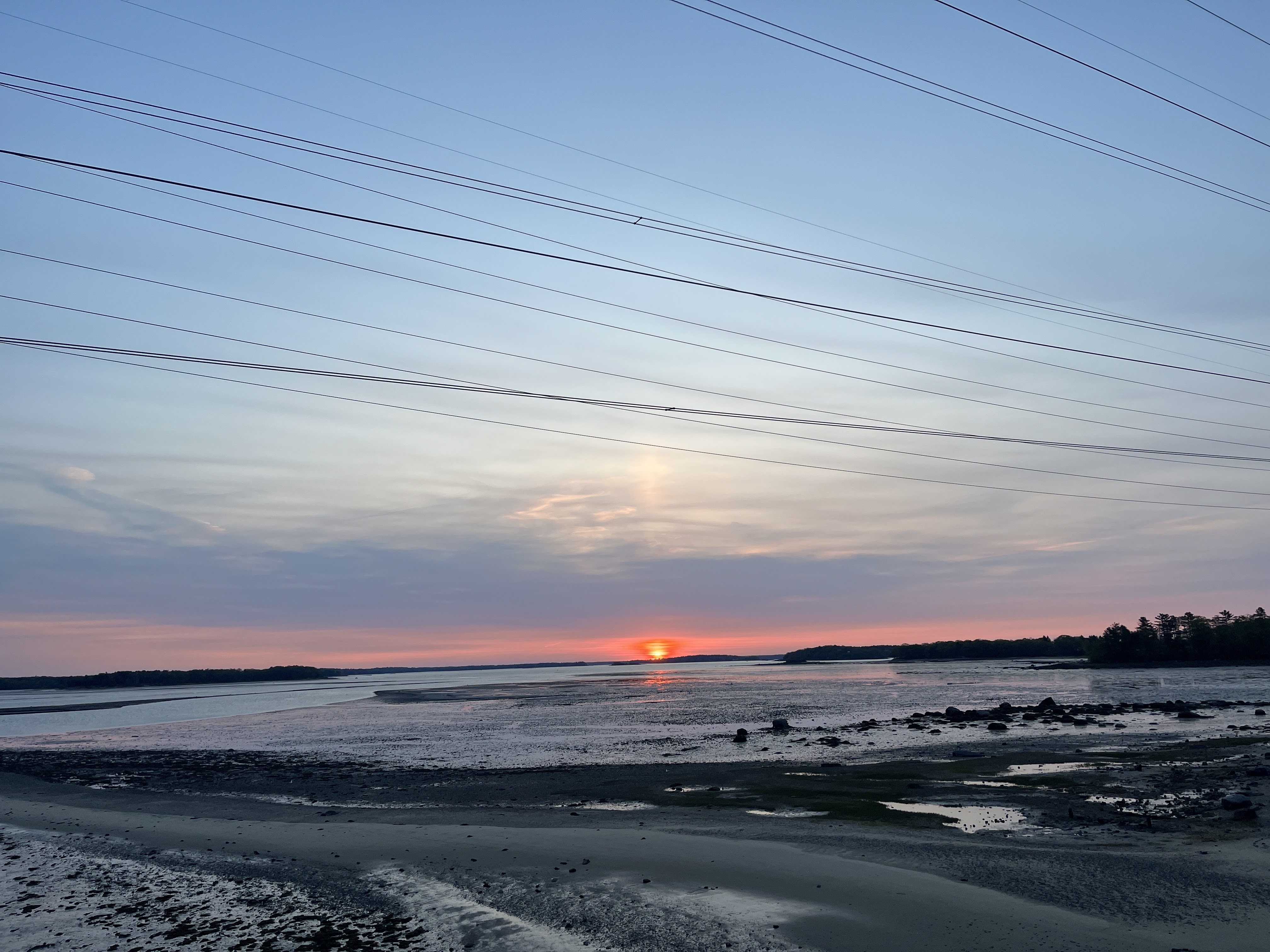
First sunrise walk of the New Year.
January 11
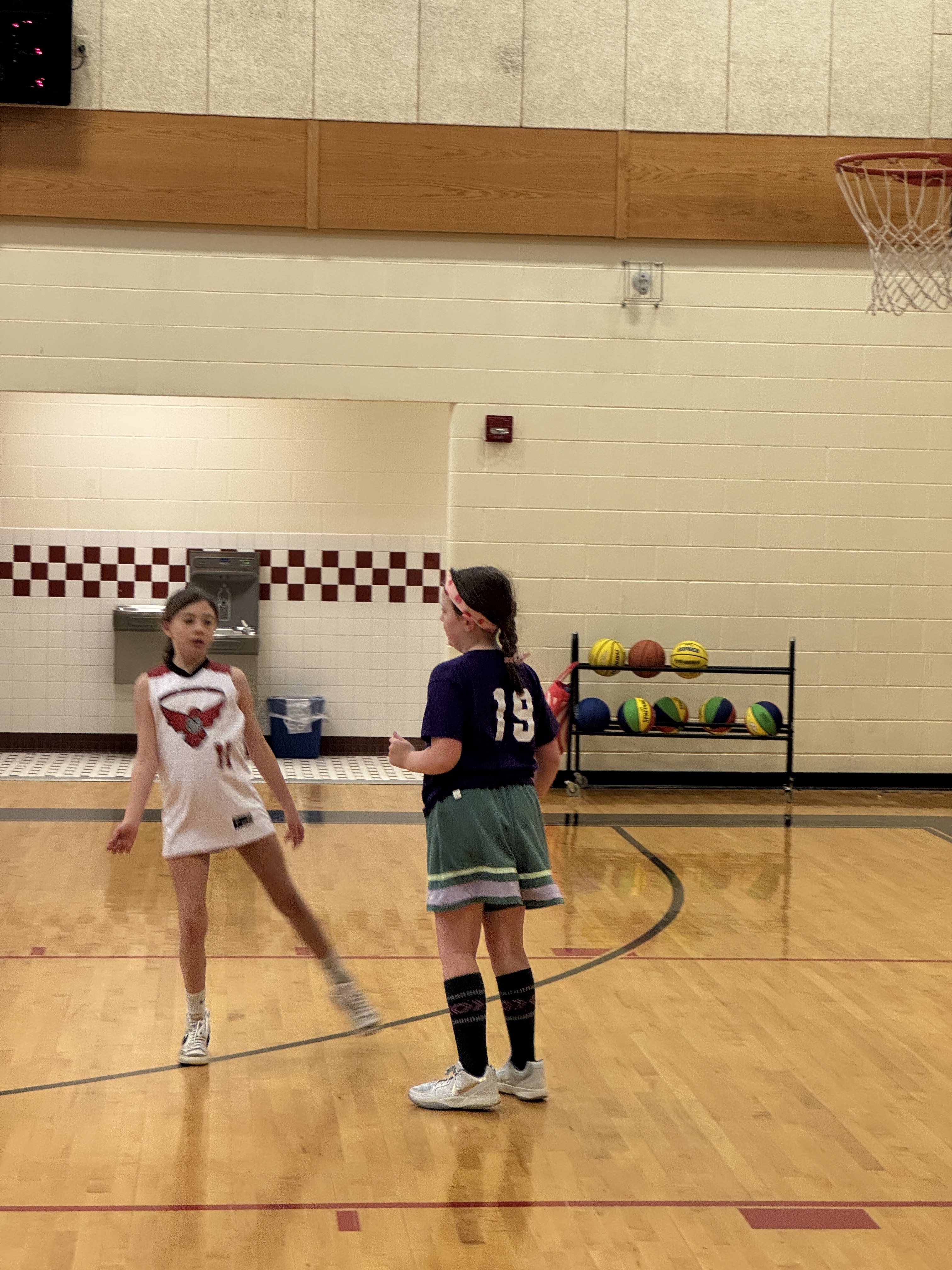
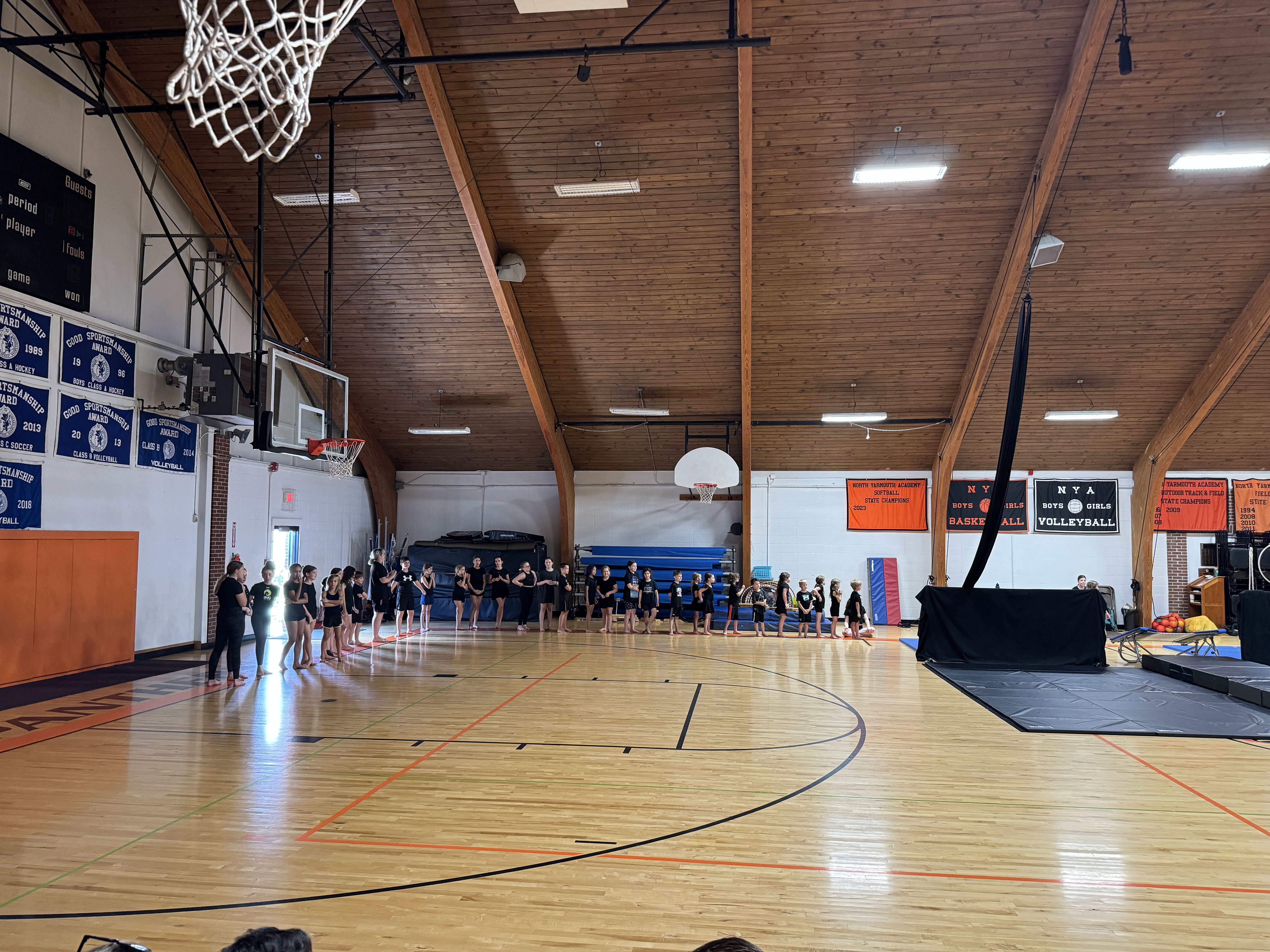
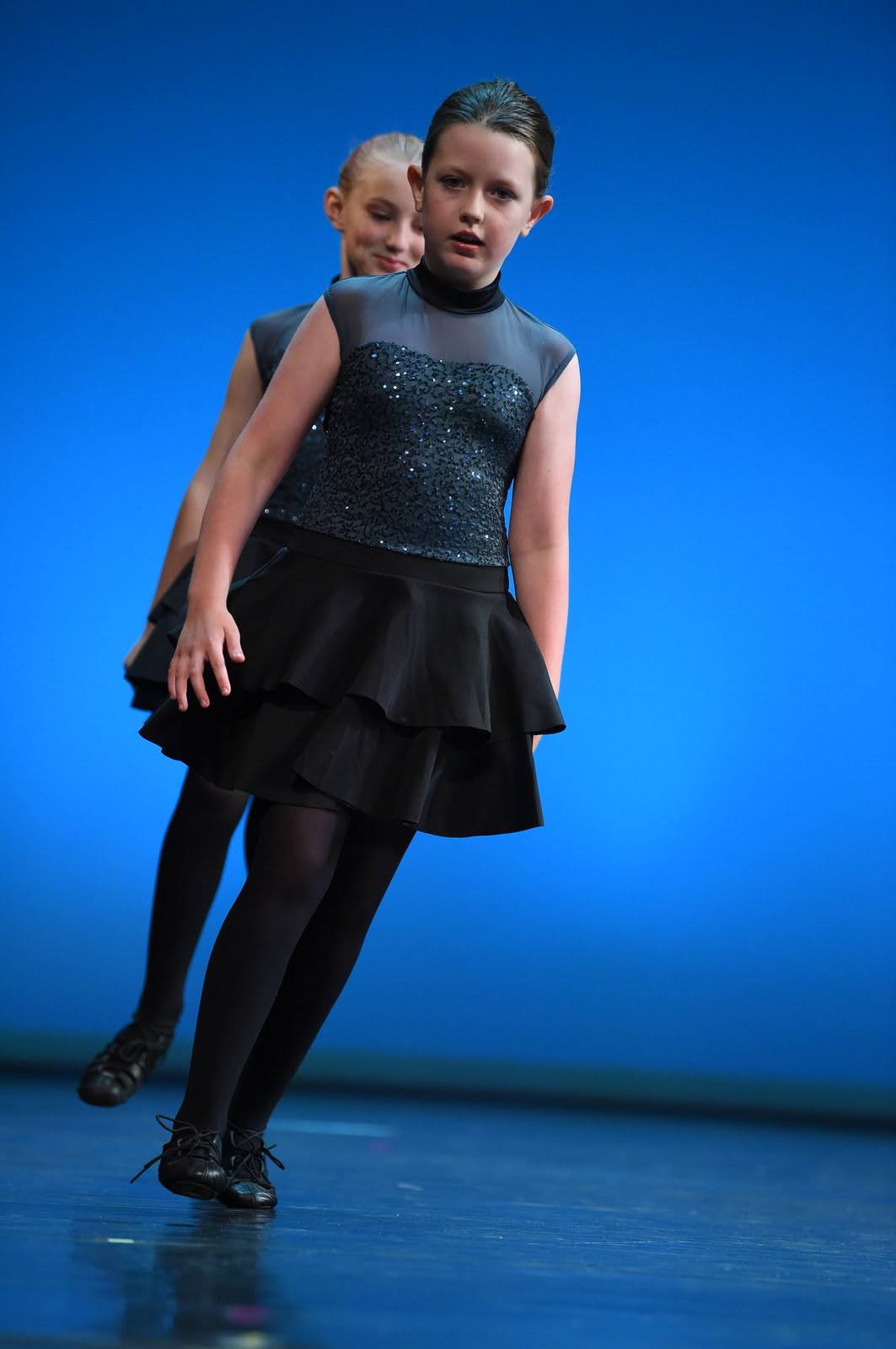
Of all the sports she plays, basketball is easily the most entertaining. It was and is the highlight of our weekends. And last season, she got to wear my old number.
January 29
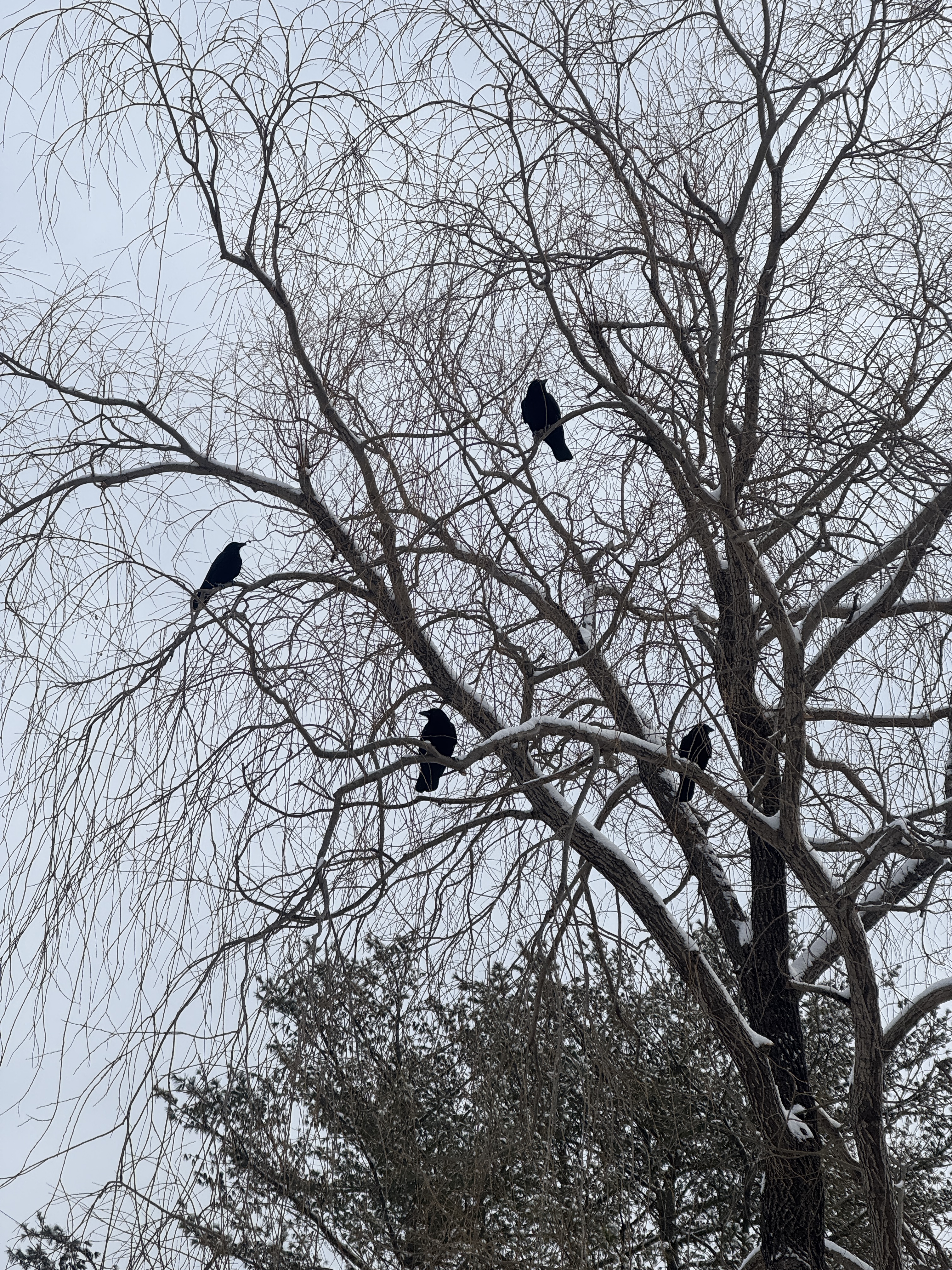
2025 was, among other things, the year I finally became friends with the island’s crows – all of them. I’d made some progress in 2024 with a murder on a specific street across the island from us, but now crows from the bridge, both docks, the neighboring island and the main road through the island all know me and will come say hi. A couple of weeks ago, in fact, I got stopped by a woman coming across the bridge who asked, “excuse me, but are those birds following you?”
February 6
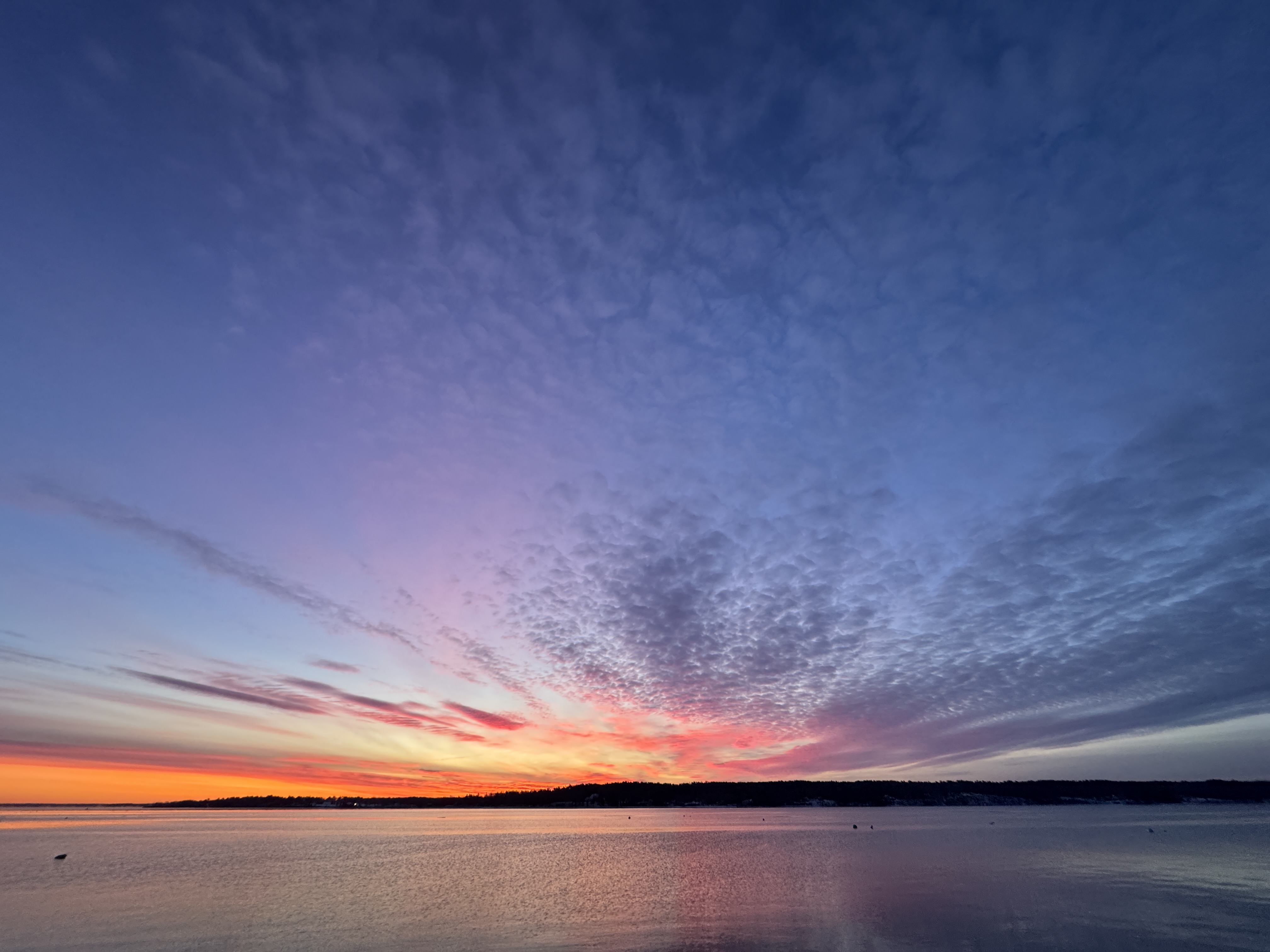
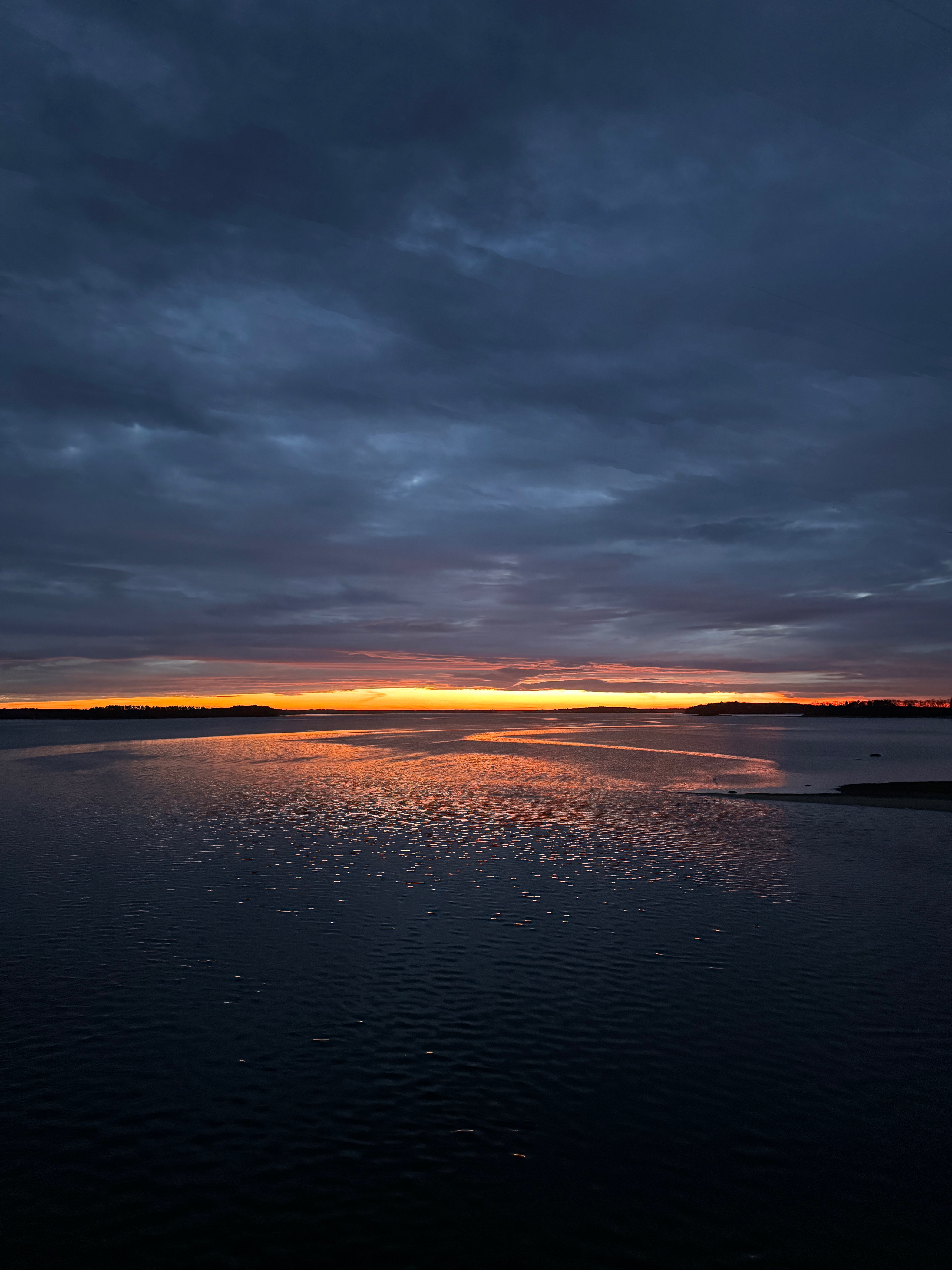
Another pretty nice little sunrise.
February 9
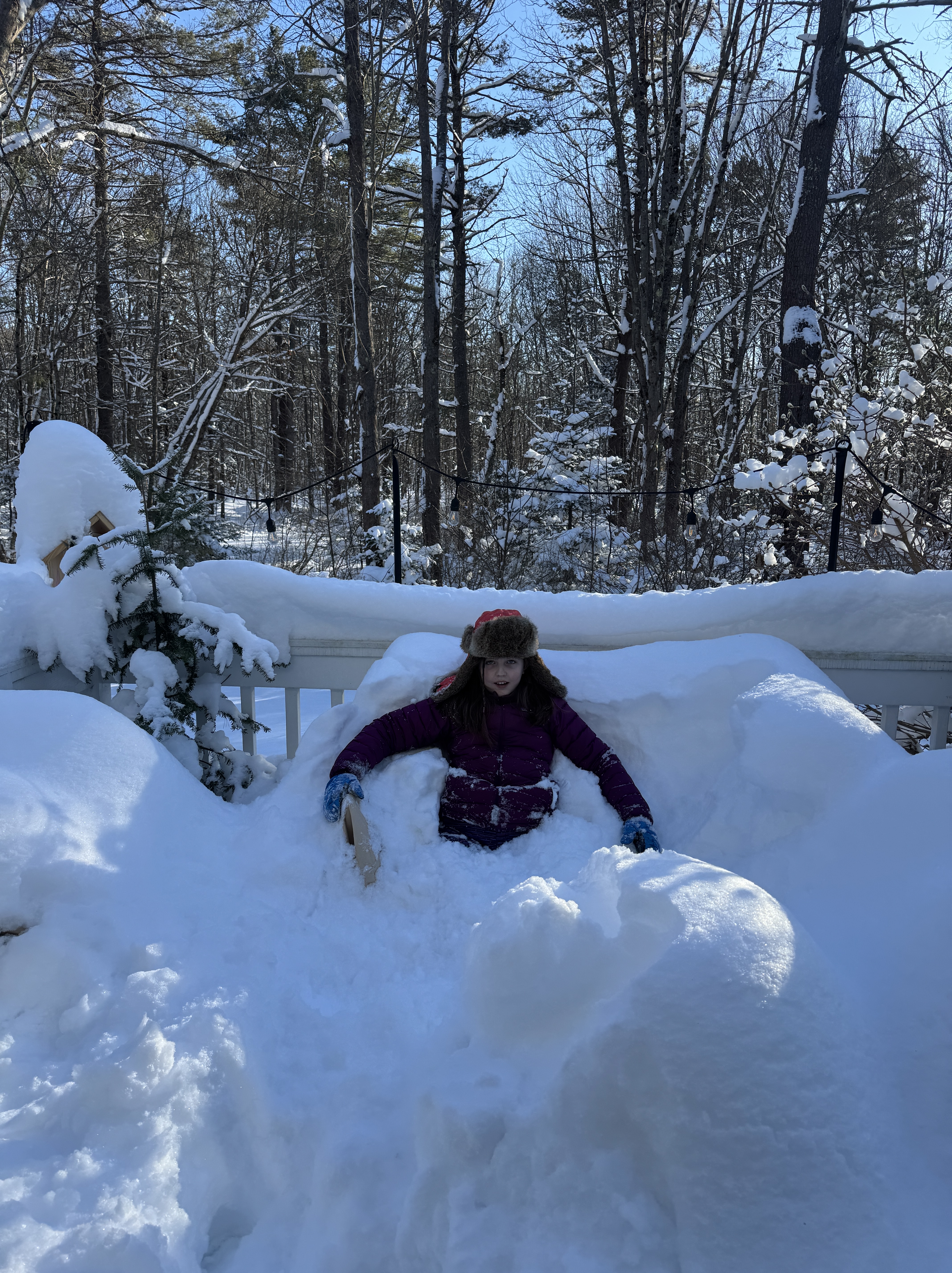
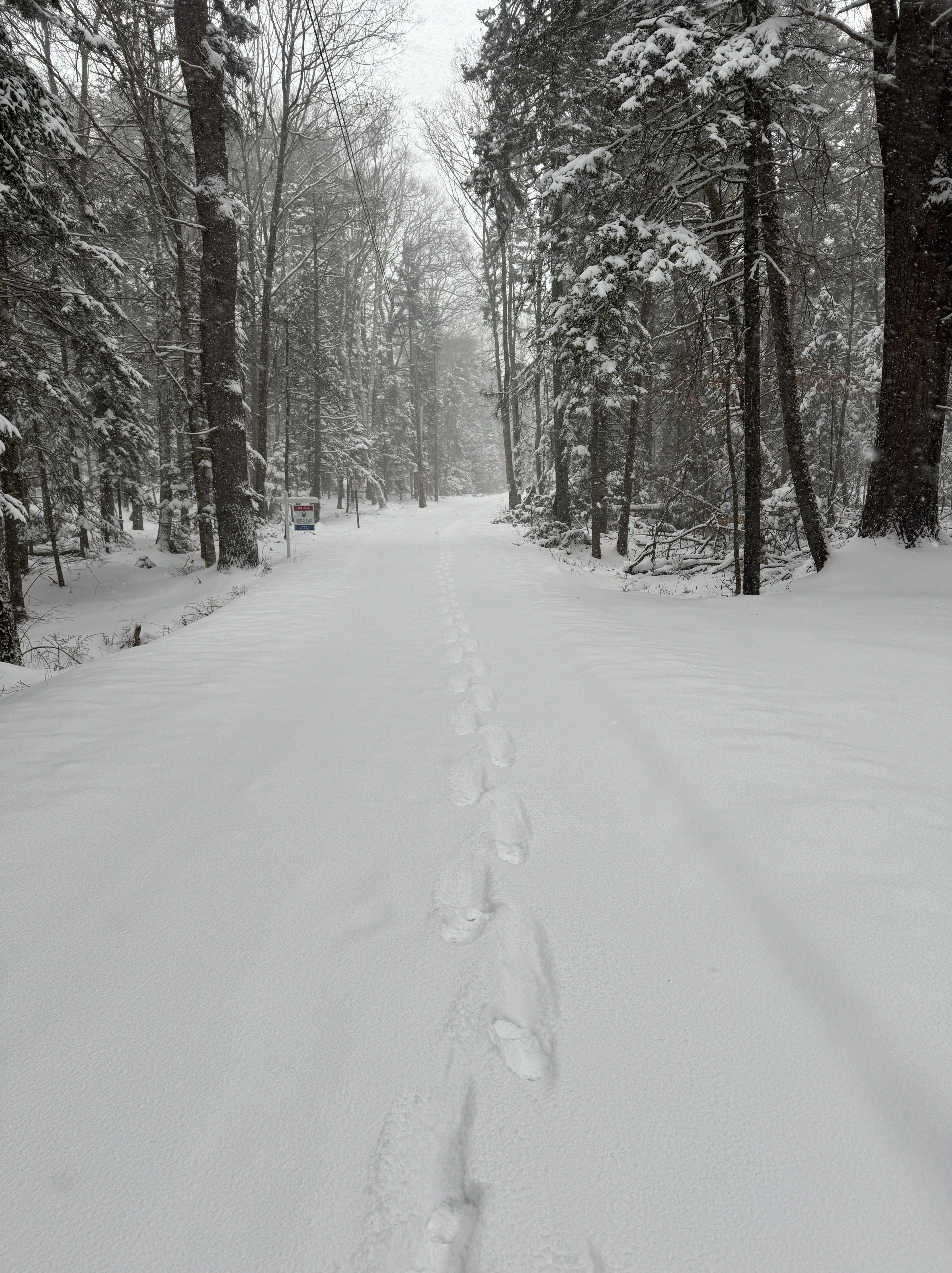
Got a little bit of snow.
February 17
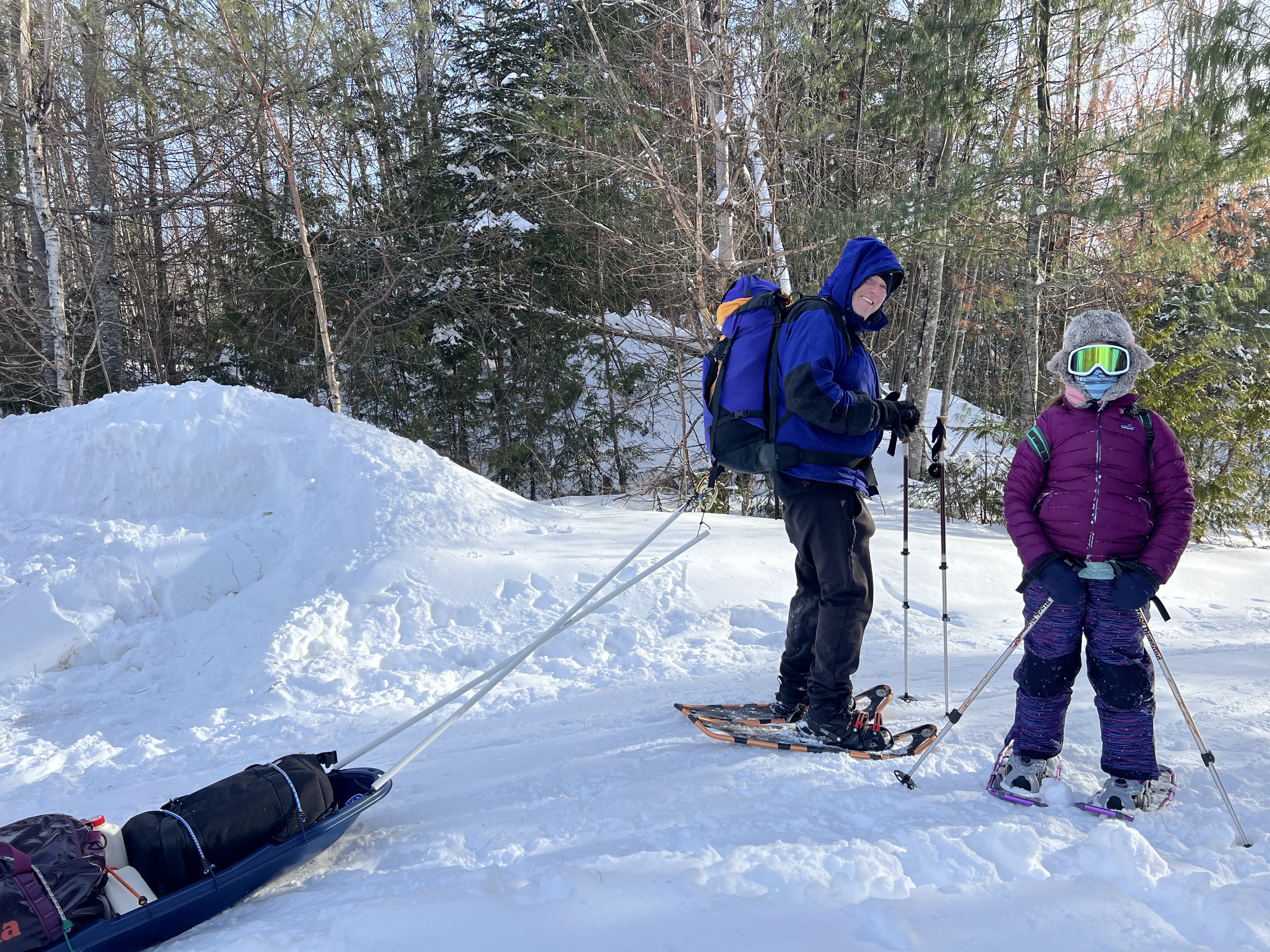
Did a hut trip to one of the Maine Huts and Trails venues (Flagstaff). We DIY’d a Pulk-like sled to carry in our supplies, which worked fine except for the fact that by hooking it up to loops on my pack, the poles ended up jabbing me in the ass on the downhill segments. Other than that, great trip.
February 21
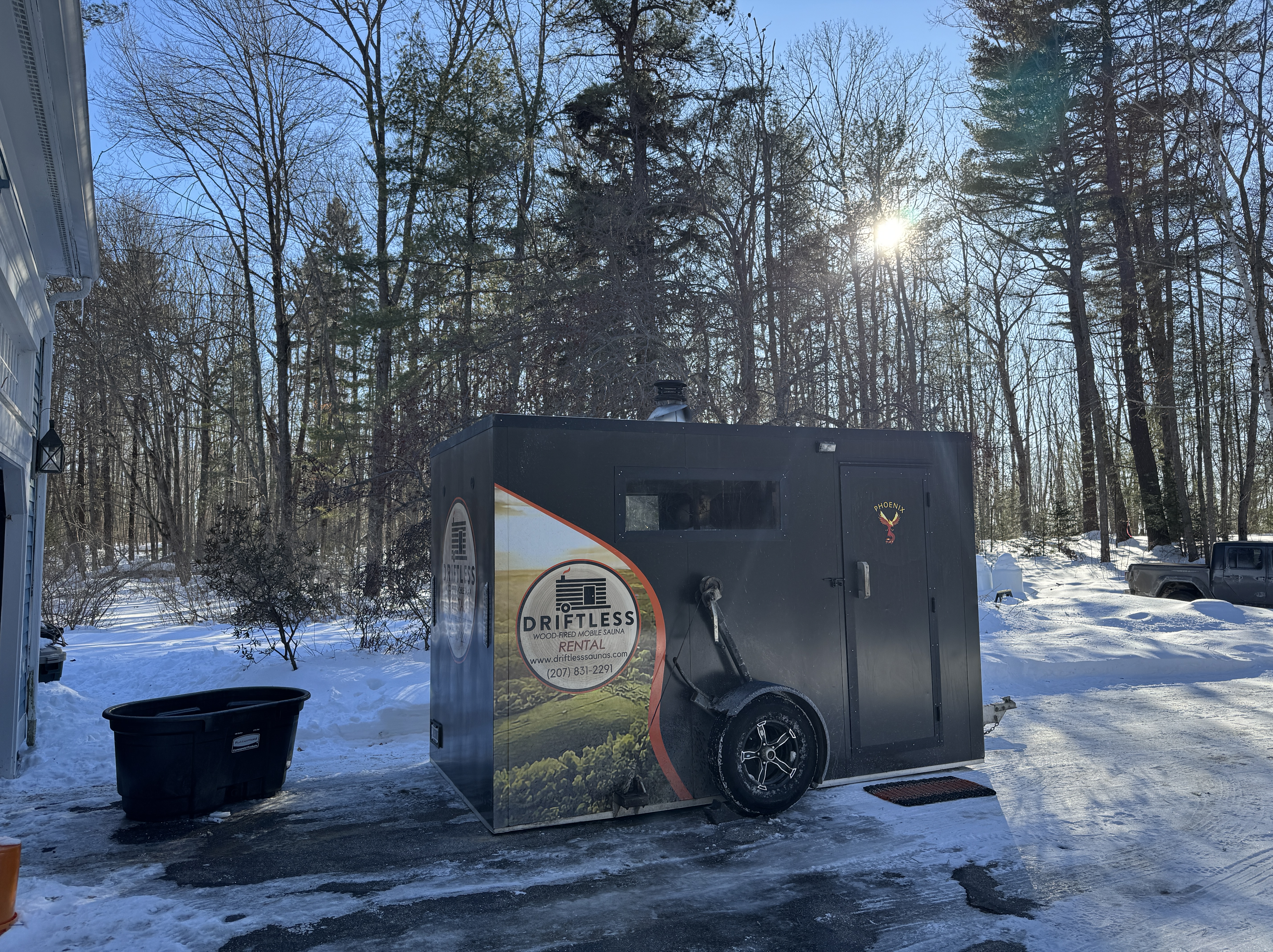
After our experience at Omni Mount Washington last year, and reading a bunch of research touting their health benefits, we started actively considering the possibility of building a sauna here at the house. To test out our potential interest level, we rented a portable sauna for my birthday weekend (if you’re in Maine, btw, the Driftless folks are super nice).
The verdict? We’re now planning to build one.
February 28
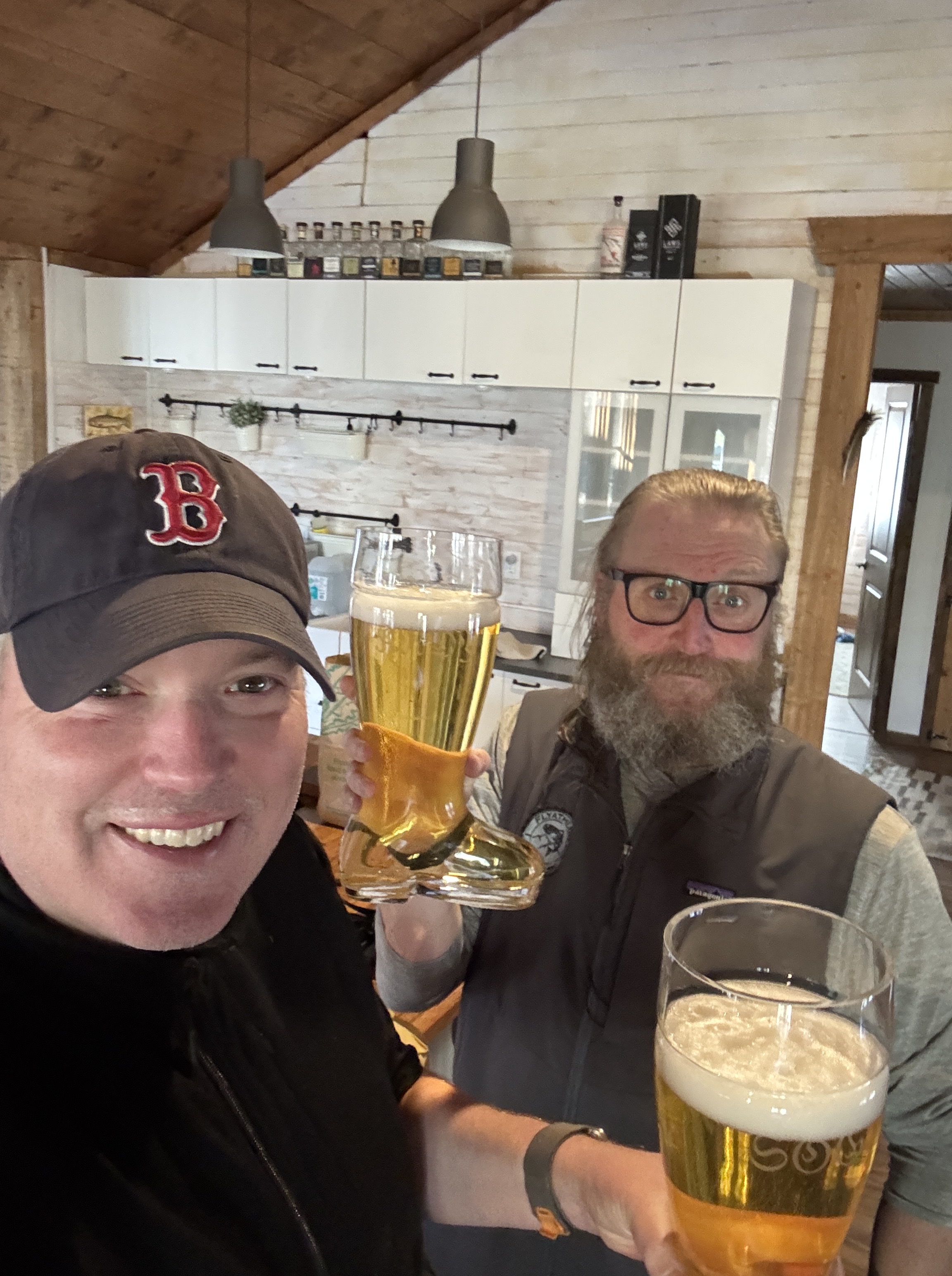
Got out to see my BFF to belatedly celebrate our birthdays. I had not been informed that Das Boots would be involved, for the record.
March 4
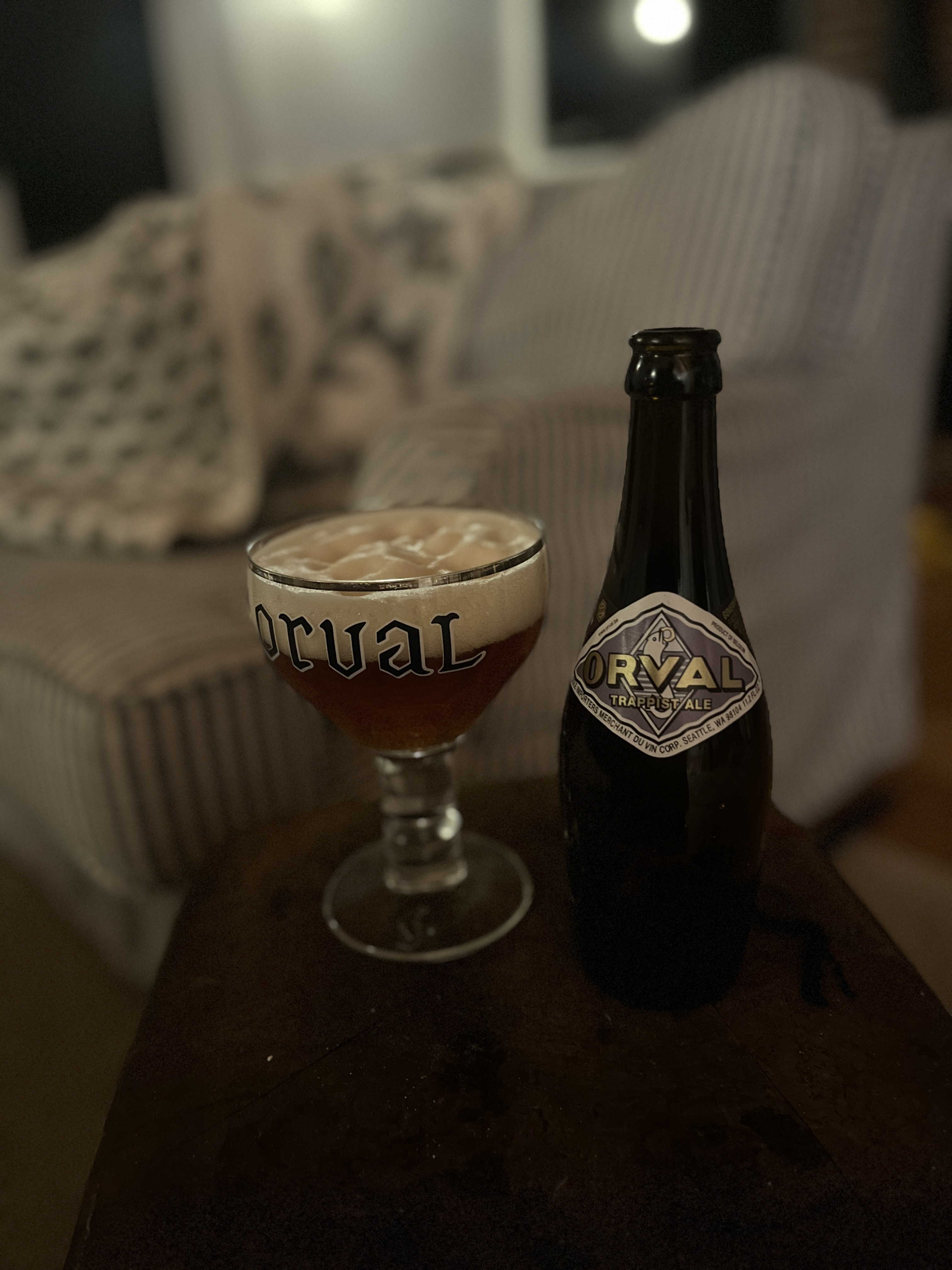
Hit the first 500 mile mark. Celebrated as is tradition by shotgunning a beer.
March 14
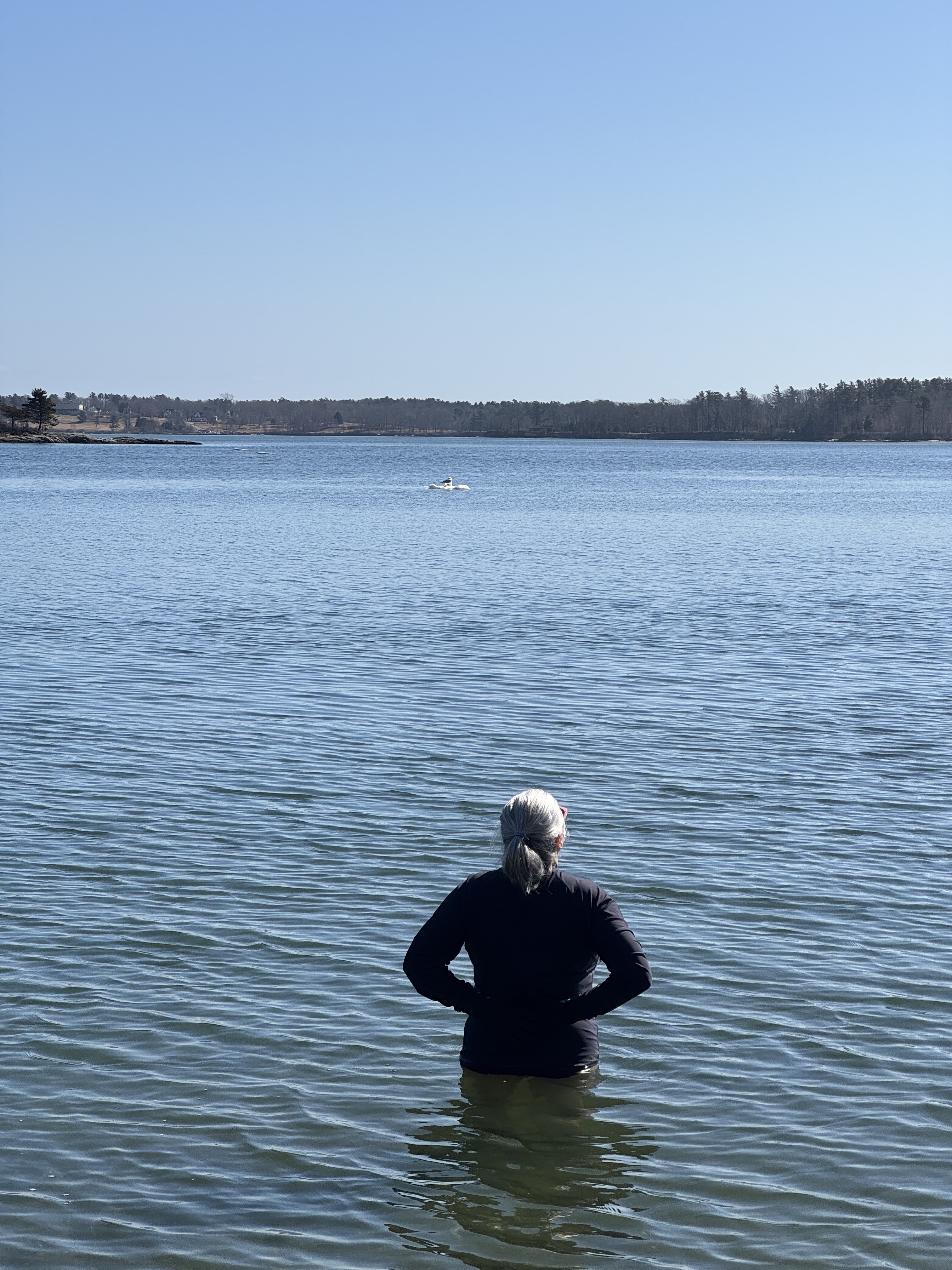
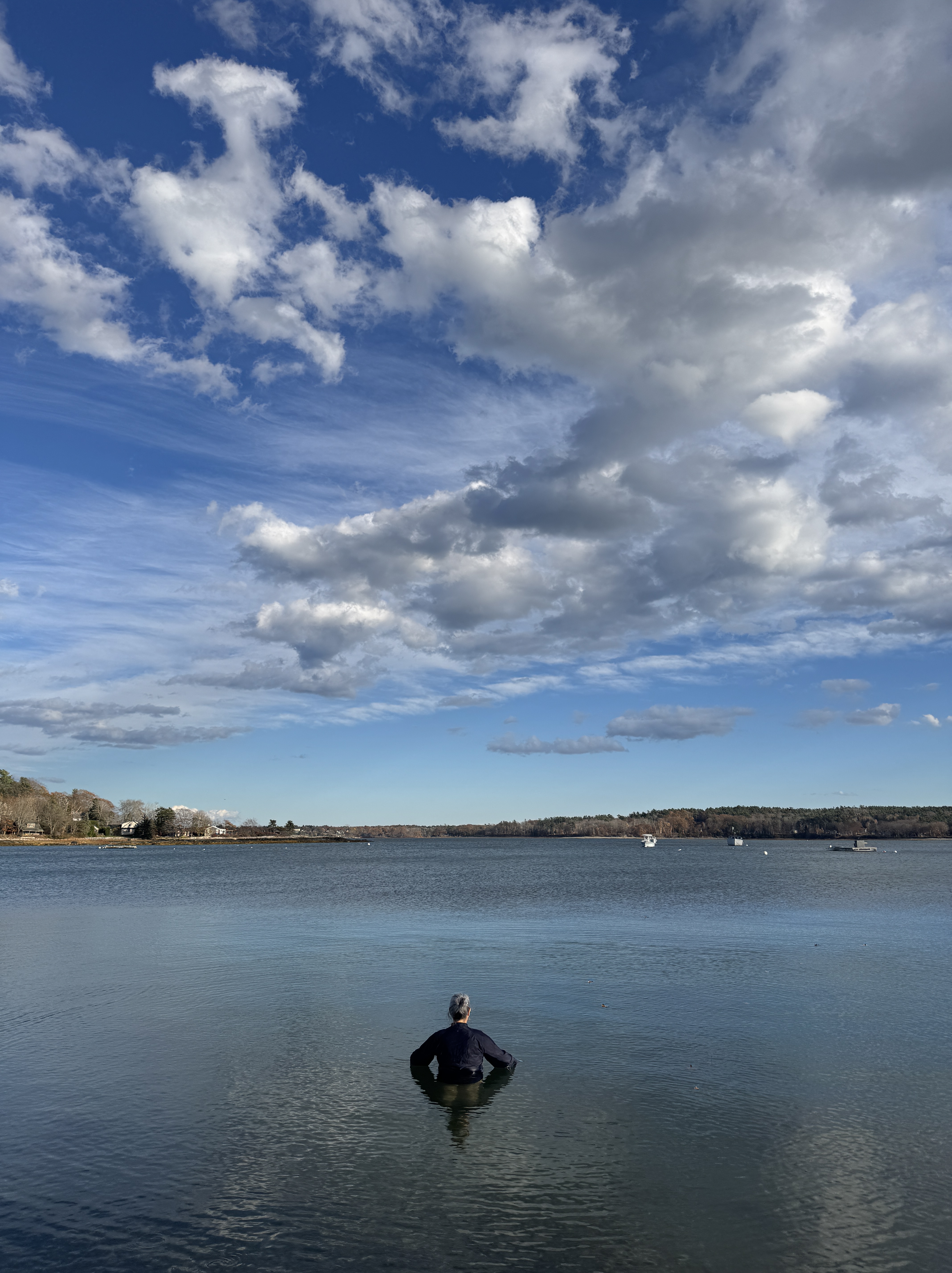
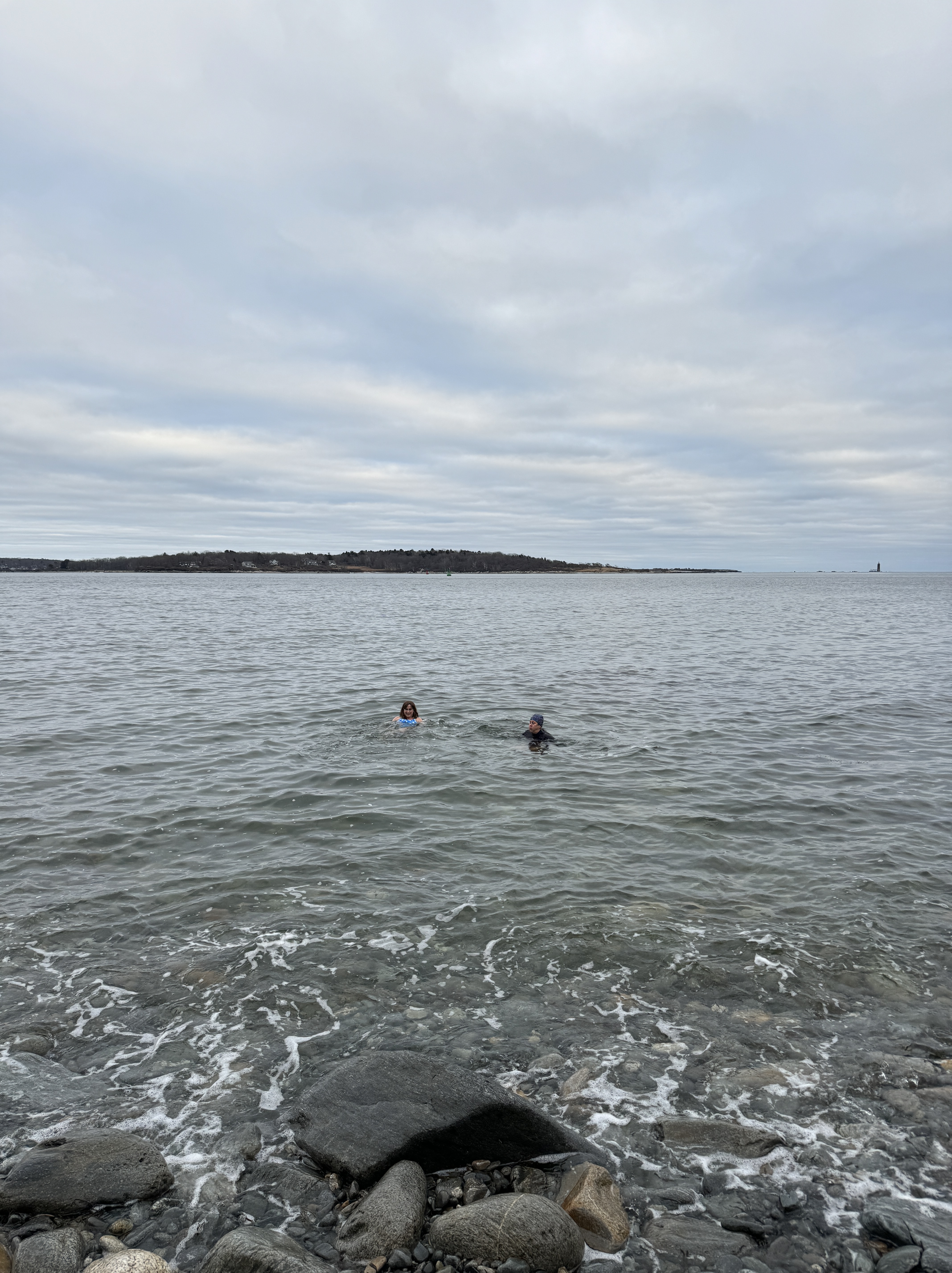
Kate does cold dips. I don’t know why, I don’t understand it, but it’s bad ass to watch. In case you’re wondering how cold the water is, that shape at the top of the image is an iceberg floating by with a gull on it.
April 5

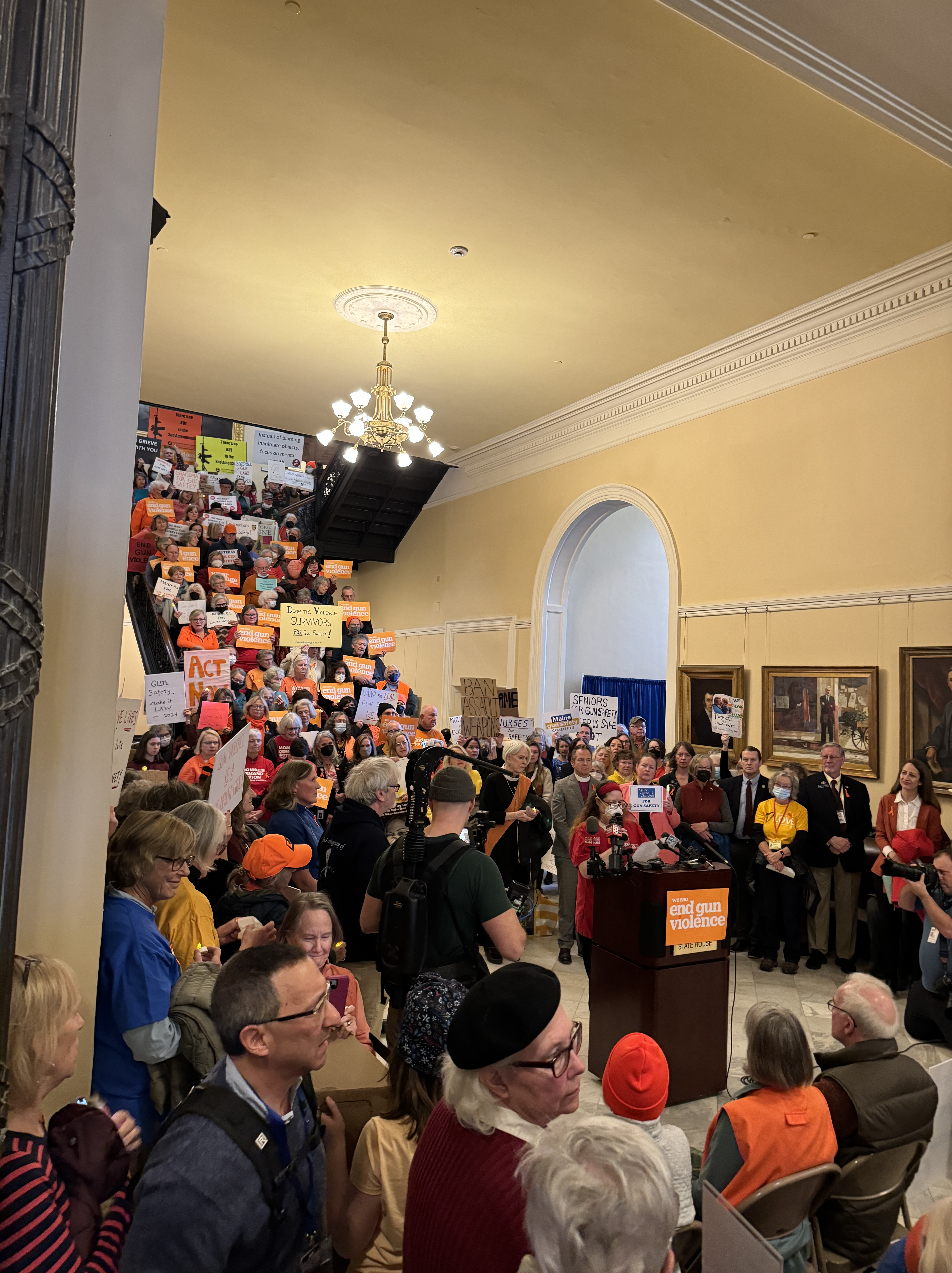
Portland stood to say we want no kings.
April 19
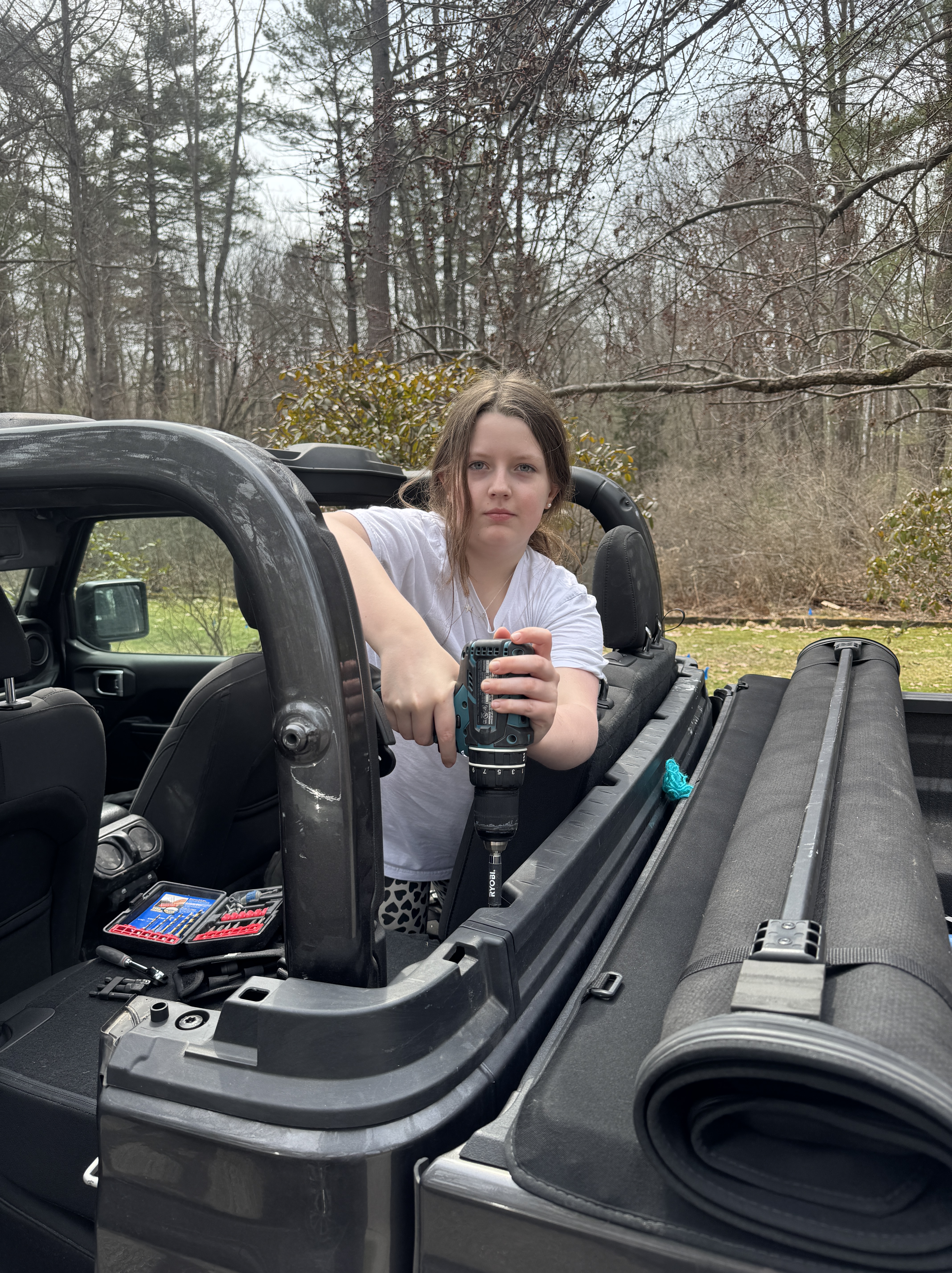
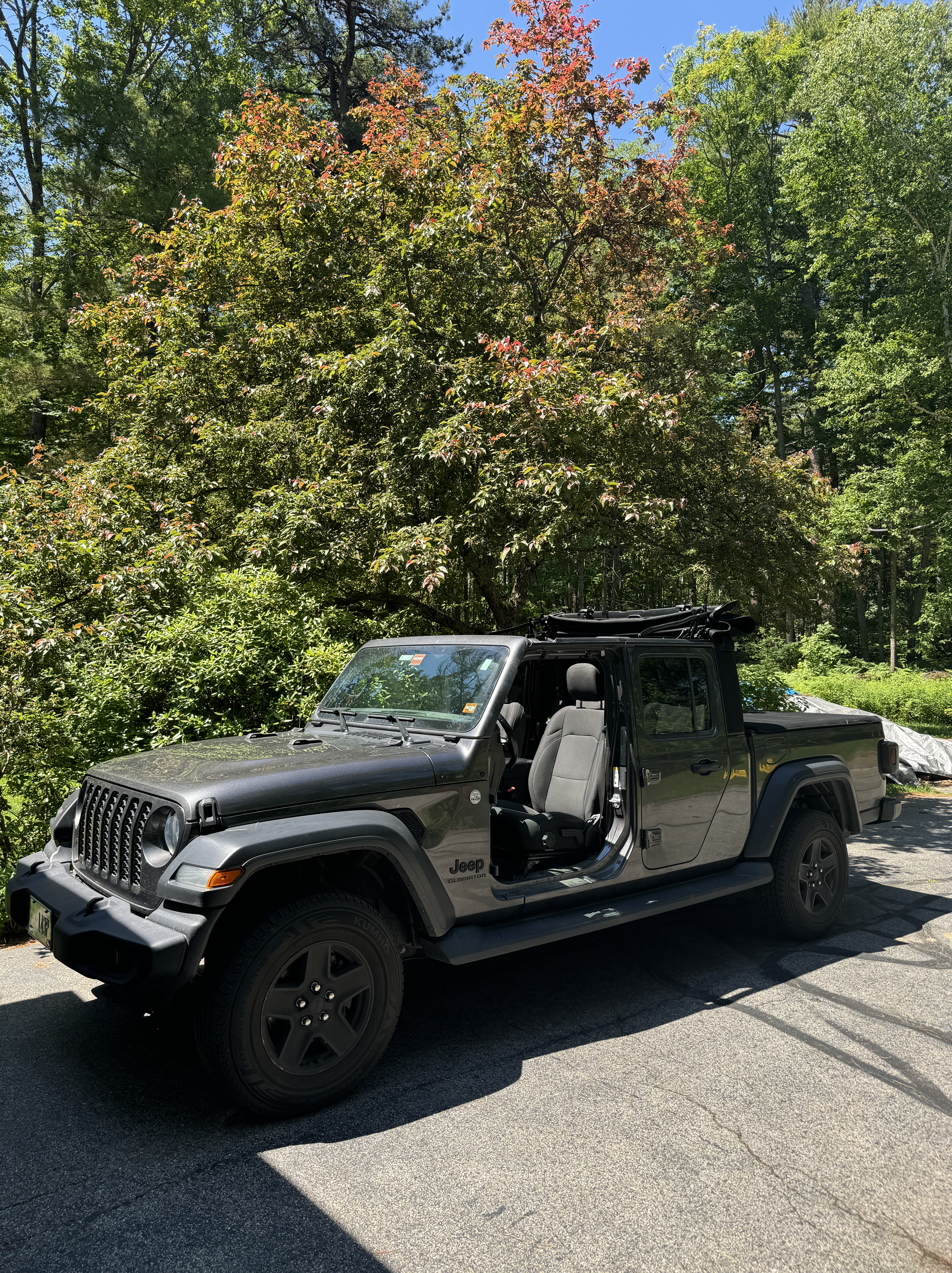
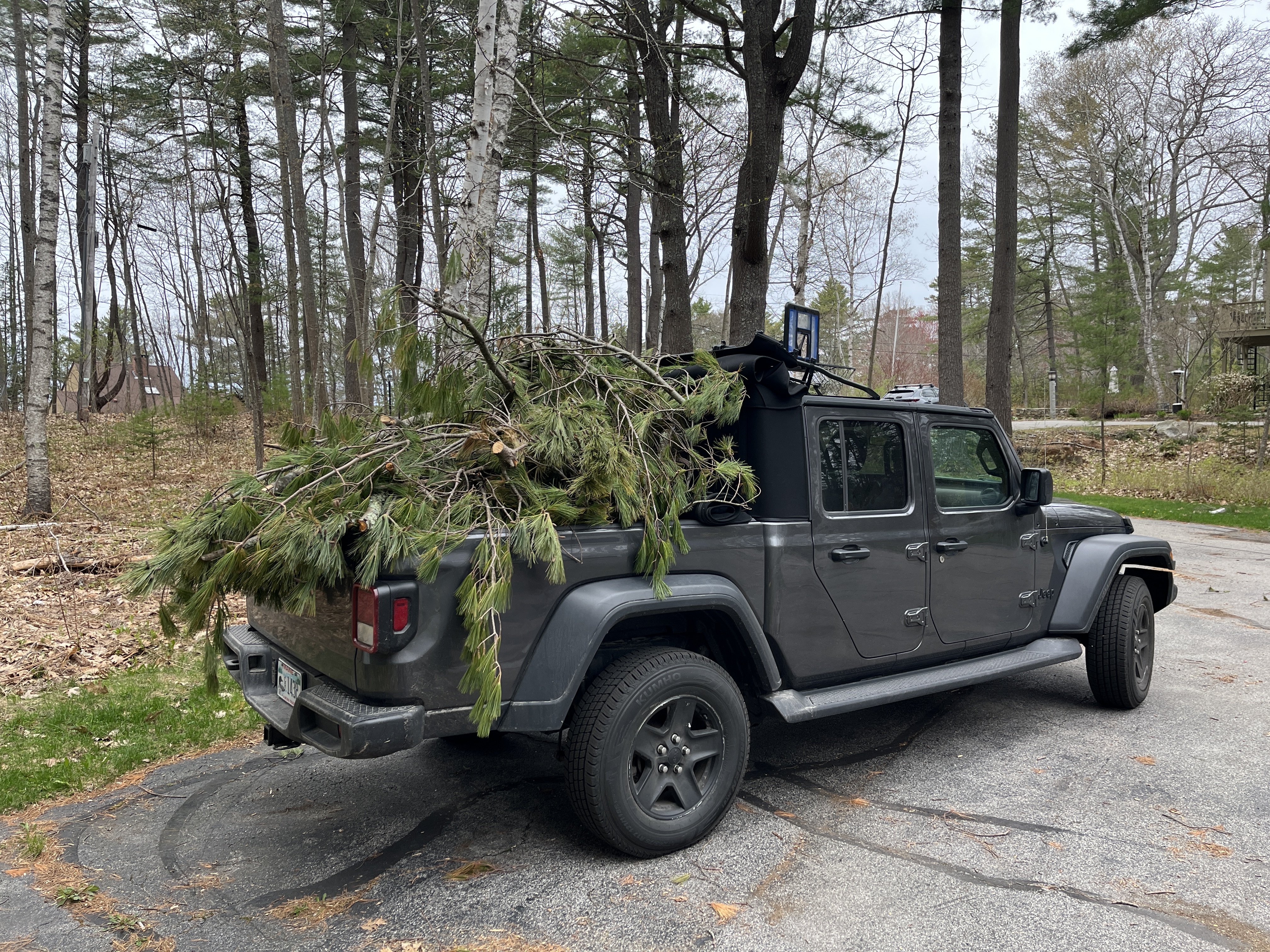
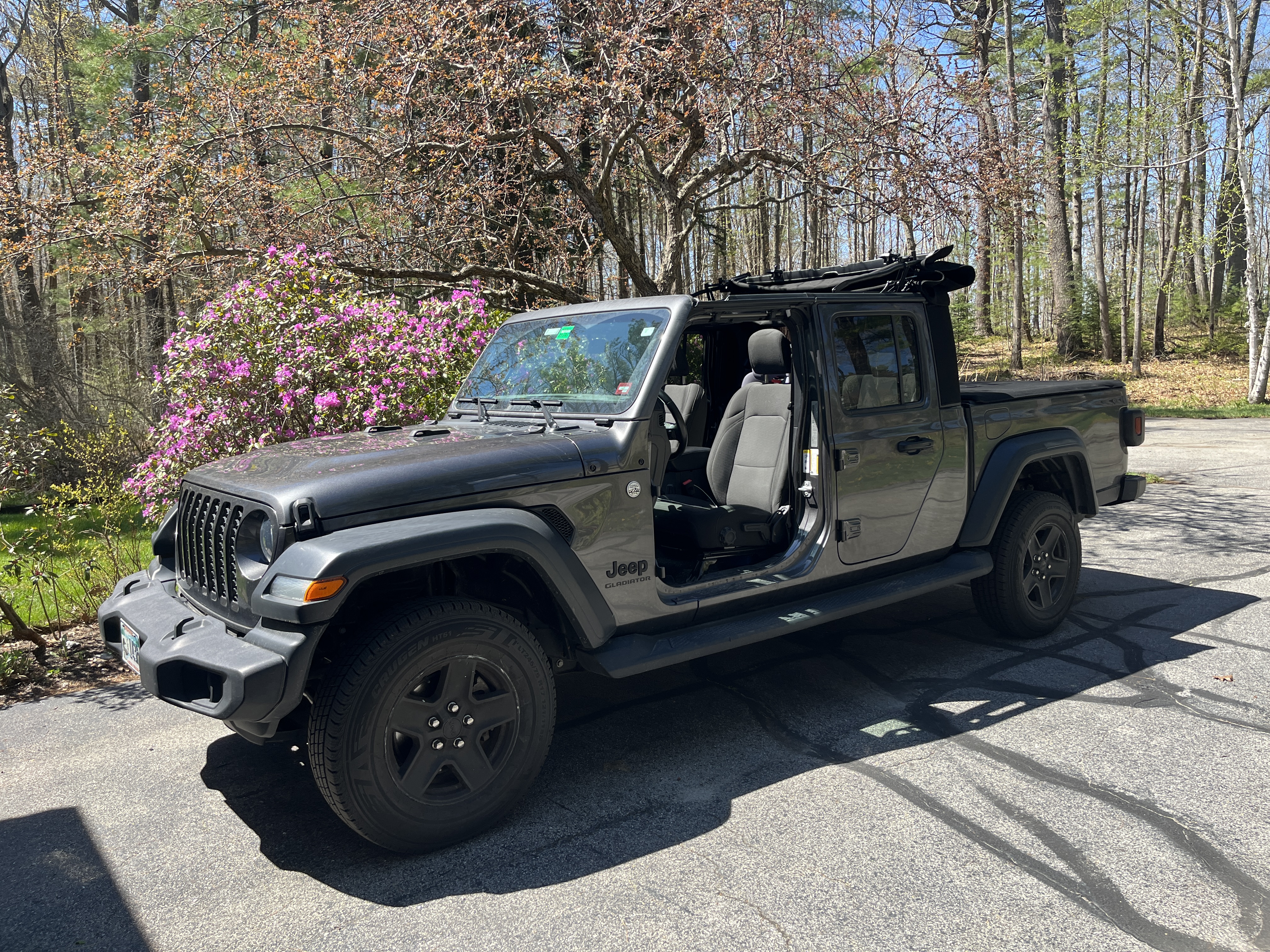
Soft top installation day.
April 21
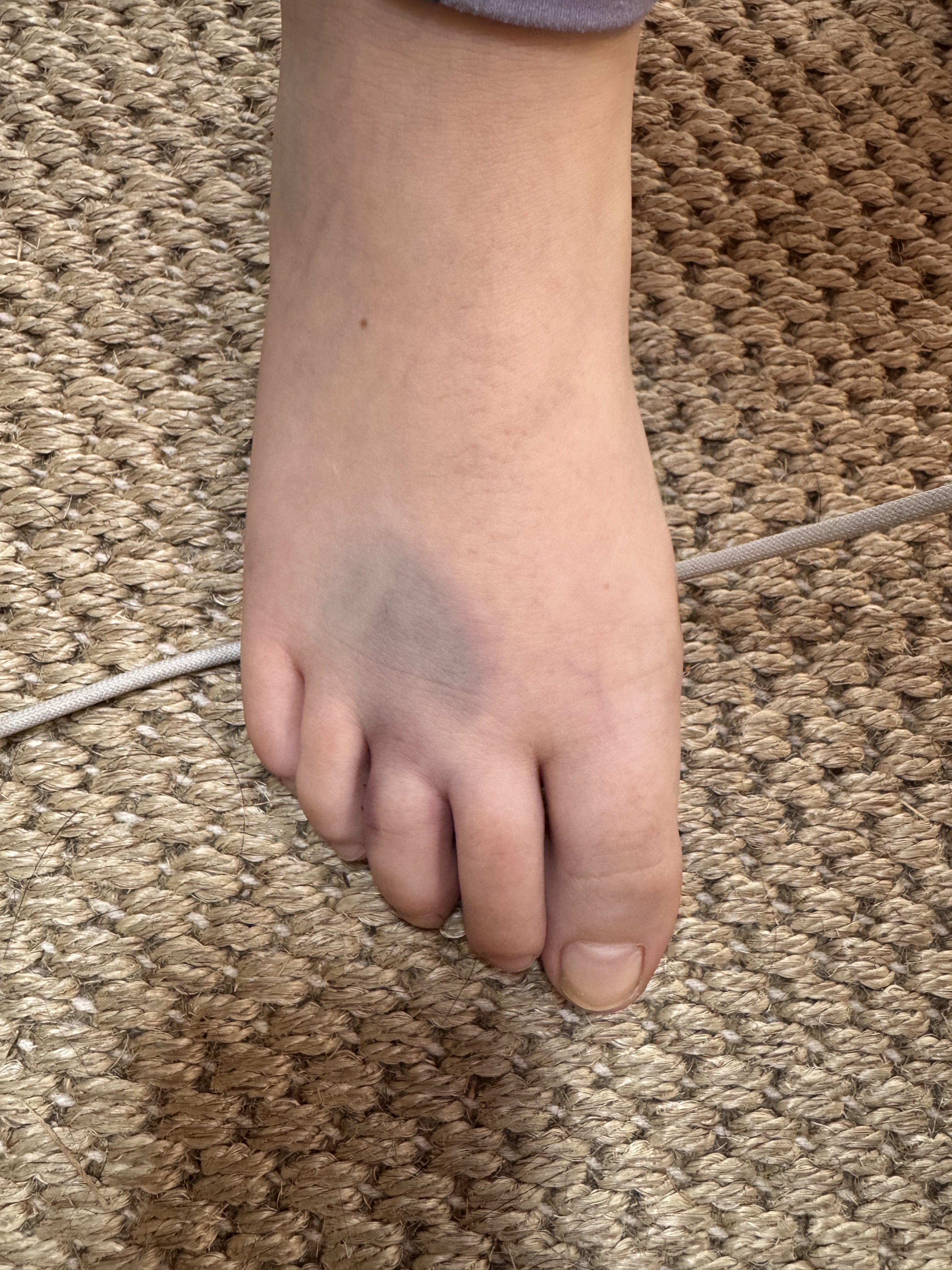
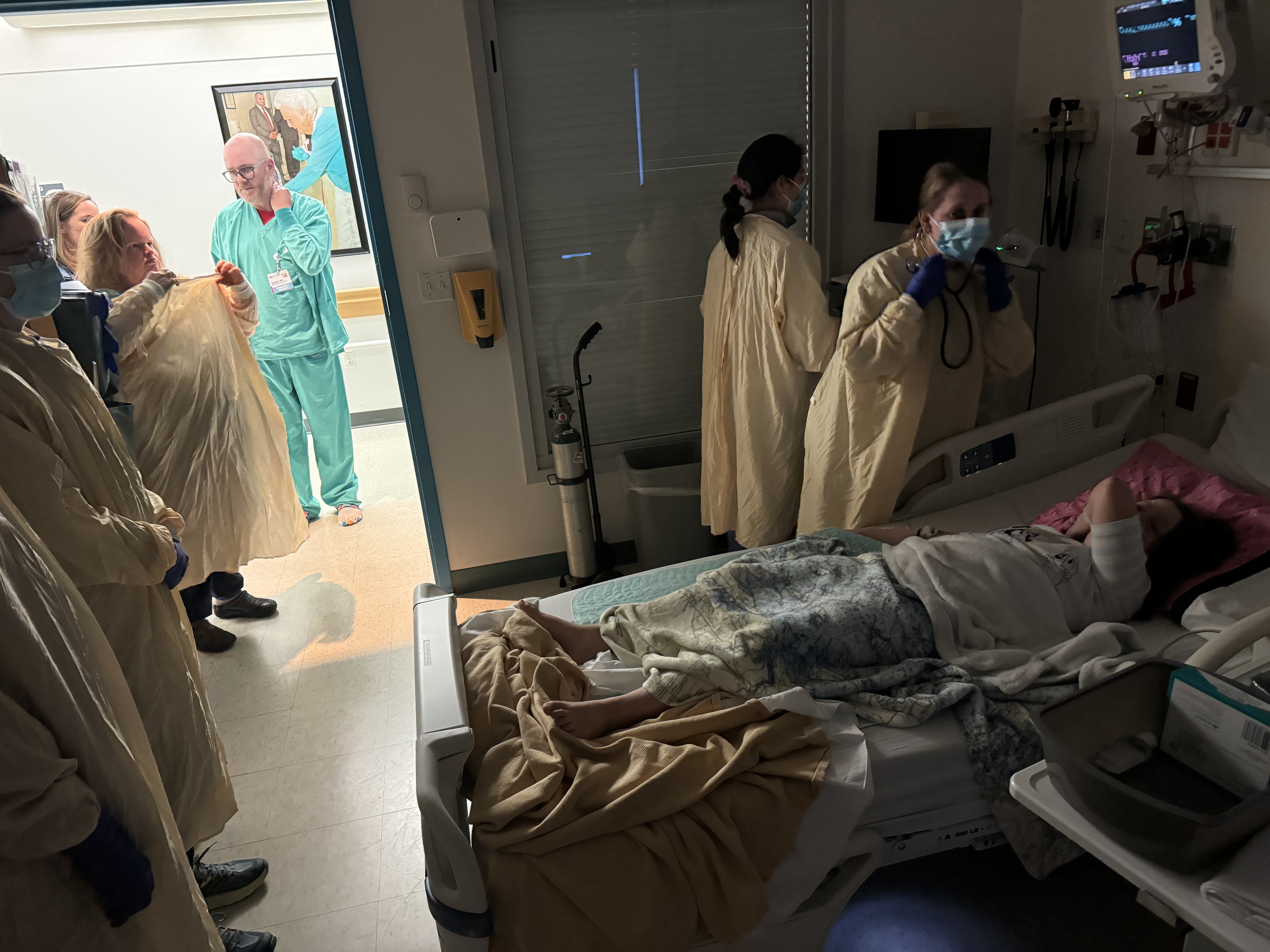
While horsing around with me, Eleanor ended up kicking the back of my foot. She said her toes hurt, we said that’s what happens when you stub them but you’ll be fine. Still reporting pain that night, we took her shoe off to find this ominous bruise. Turns out, she’d broken the growth plate in her foot. She made a full recovery, even taking part in lacrosse practice while wearing a boot.
April 24
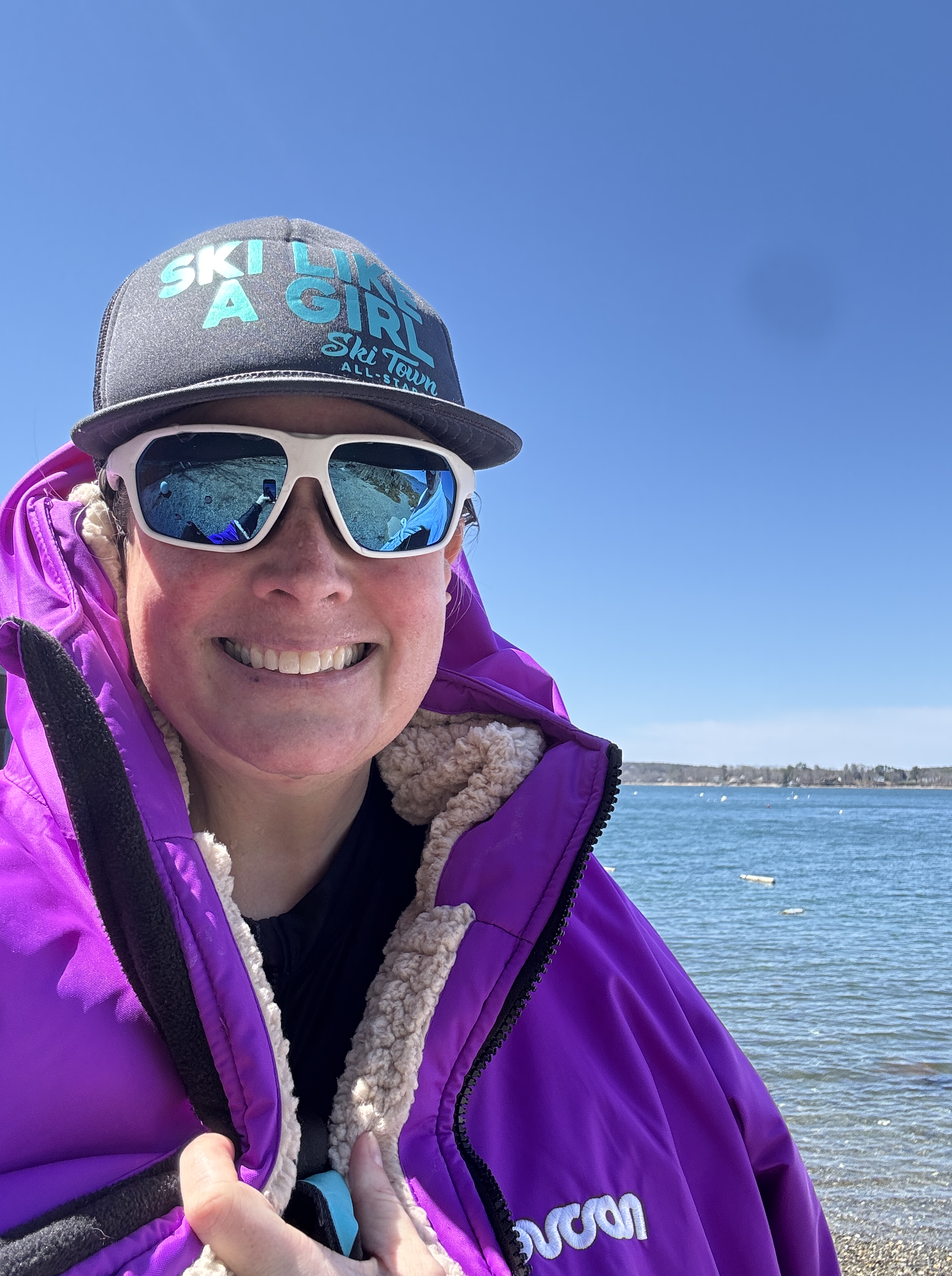
The good news is that Kate got to do a cold dip on her birthday. The bad news is that I had to do it with her.
April 25
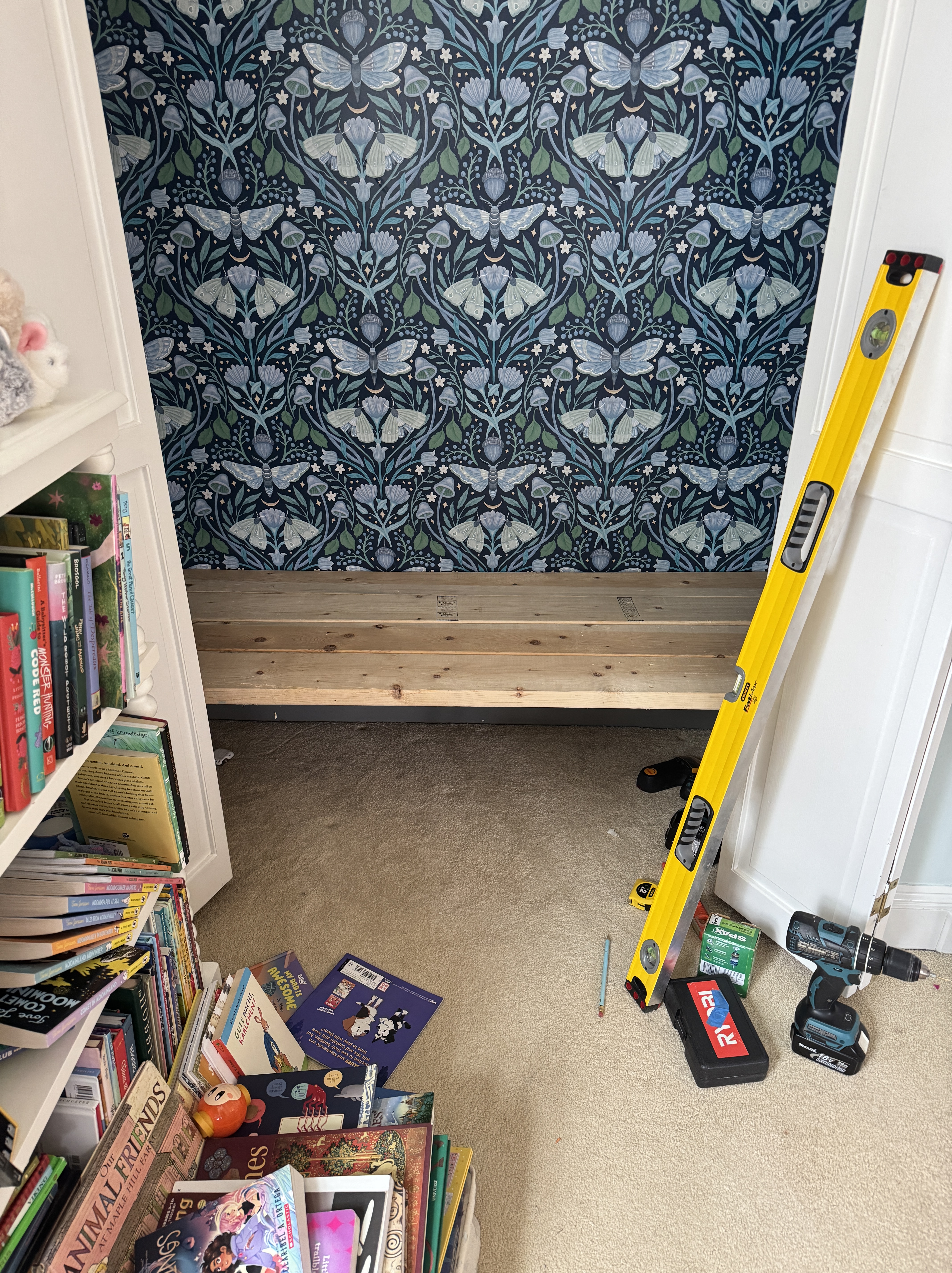
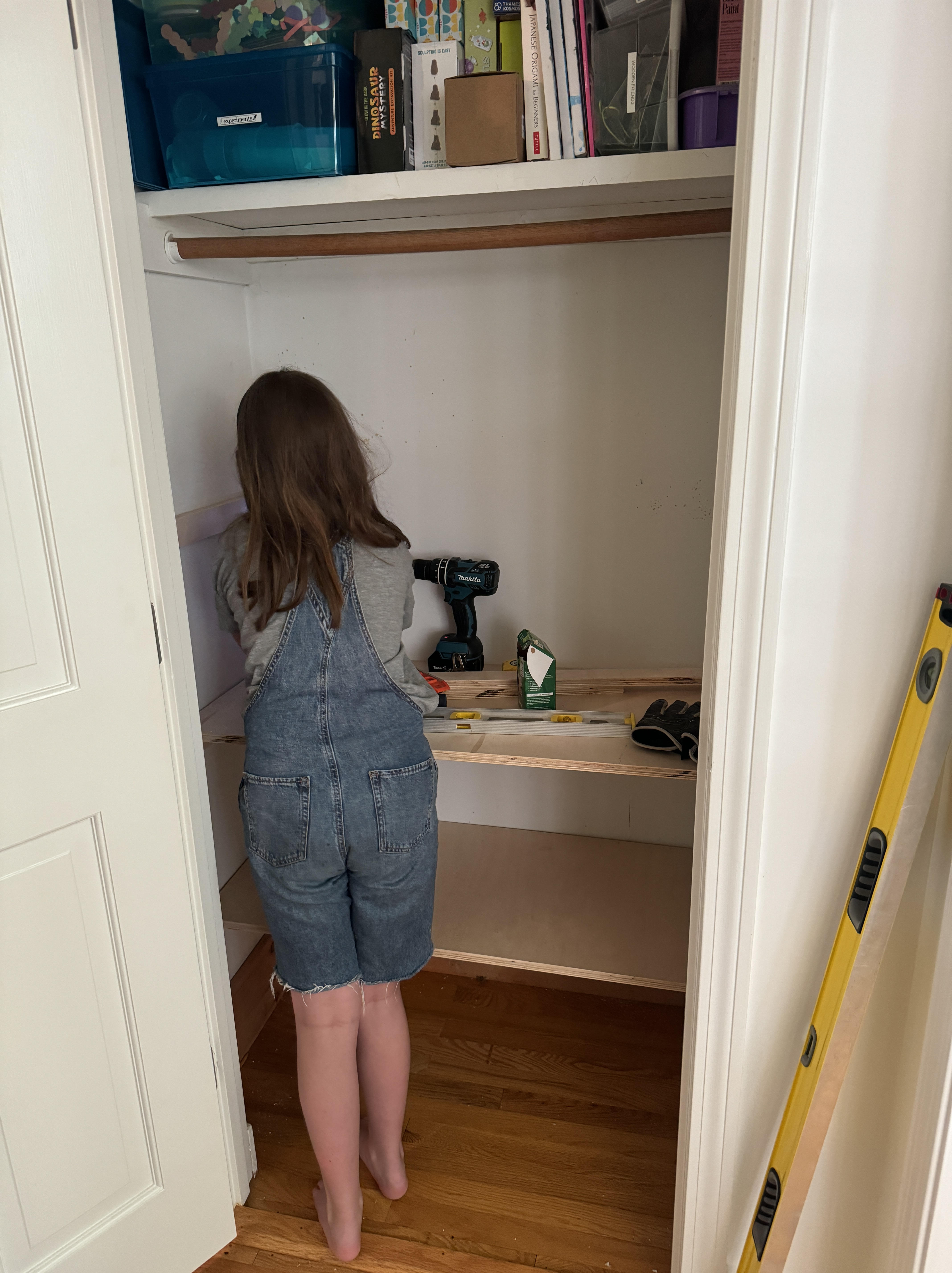
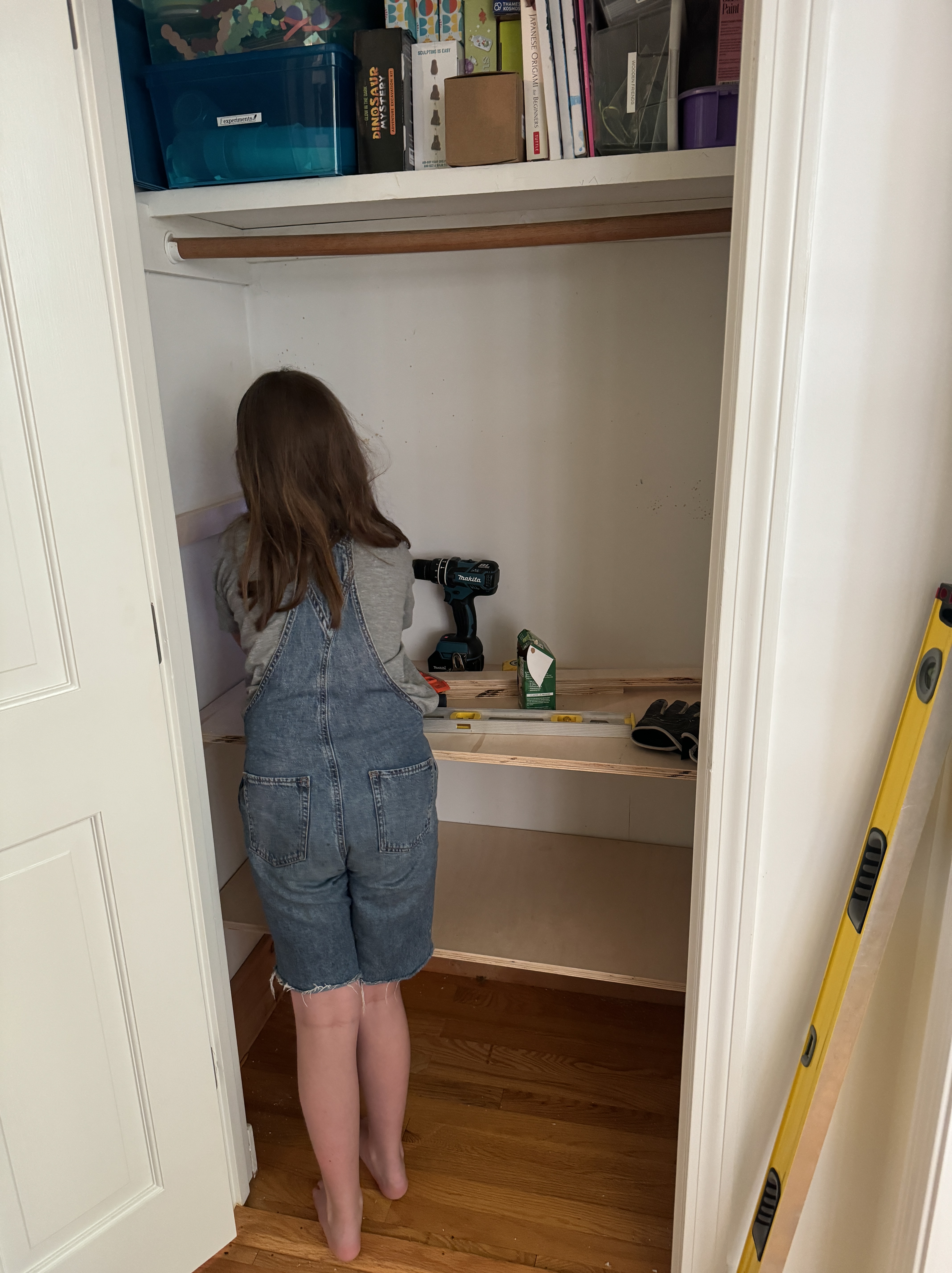
Eleanor and I used some of the reclaimed wood from my Dad’s wheelchair ramp to build a reading nook in her closet.
May 4
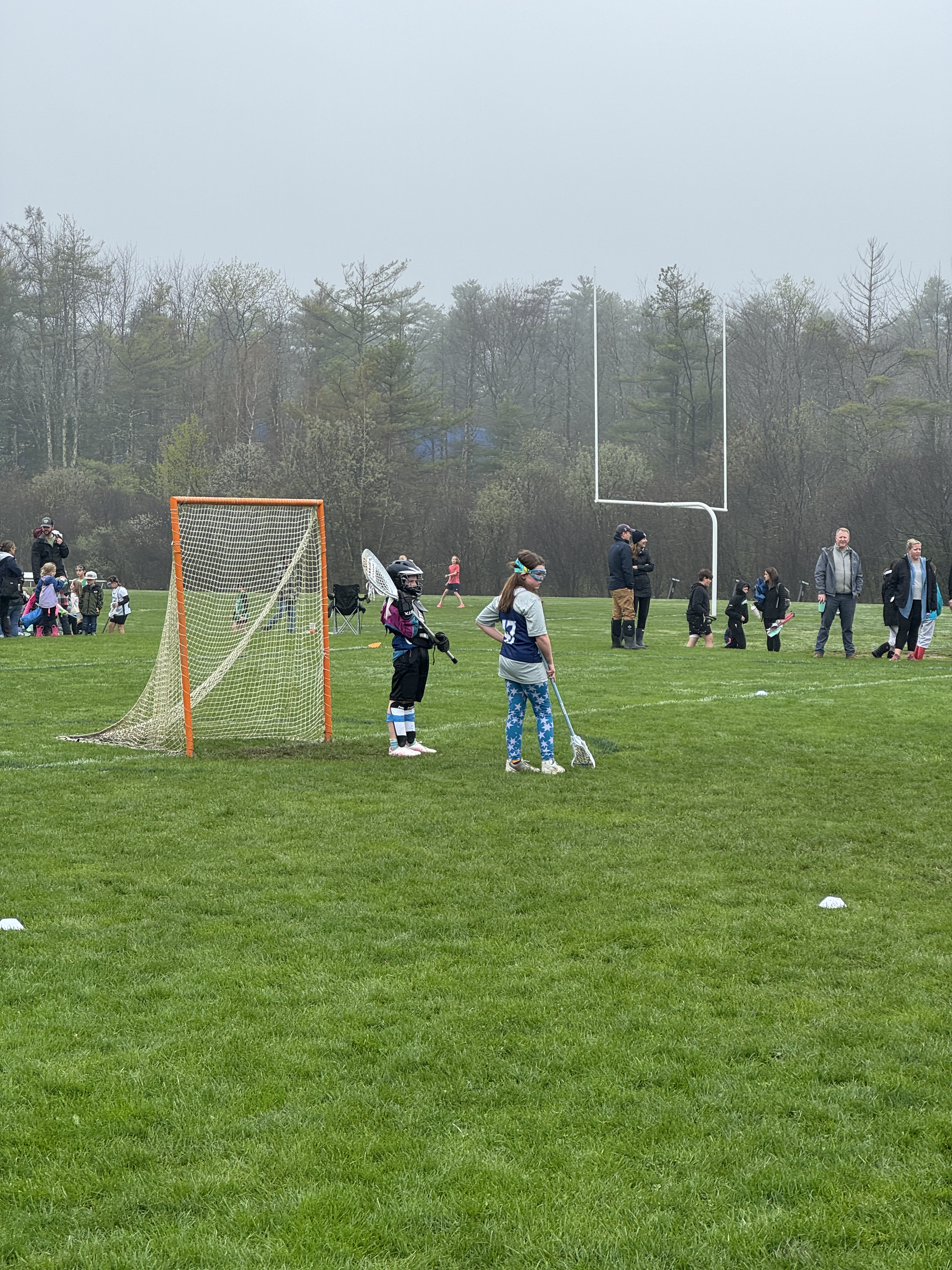
Lacrosse season – which was drizzly and cold pretty much every day – arrived.
May 5
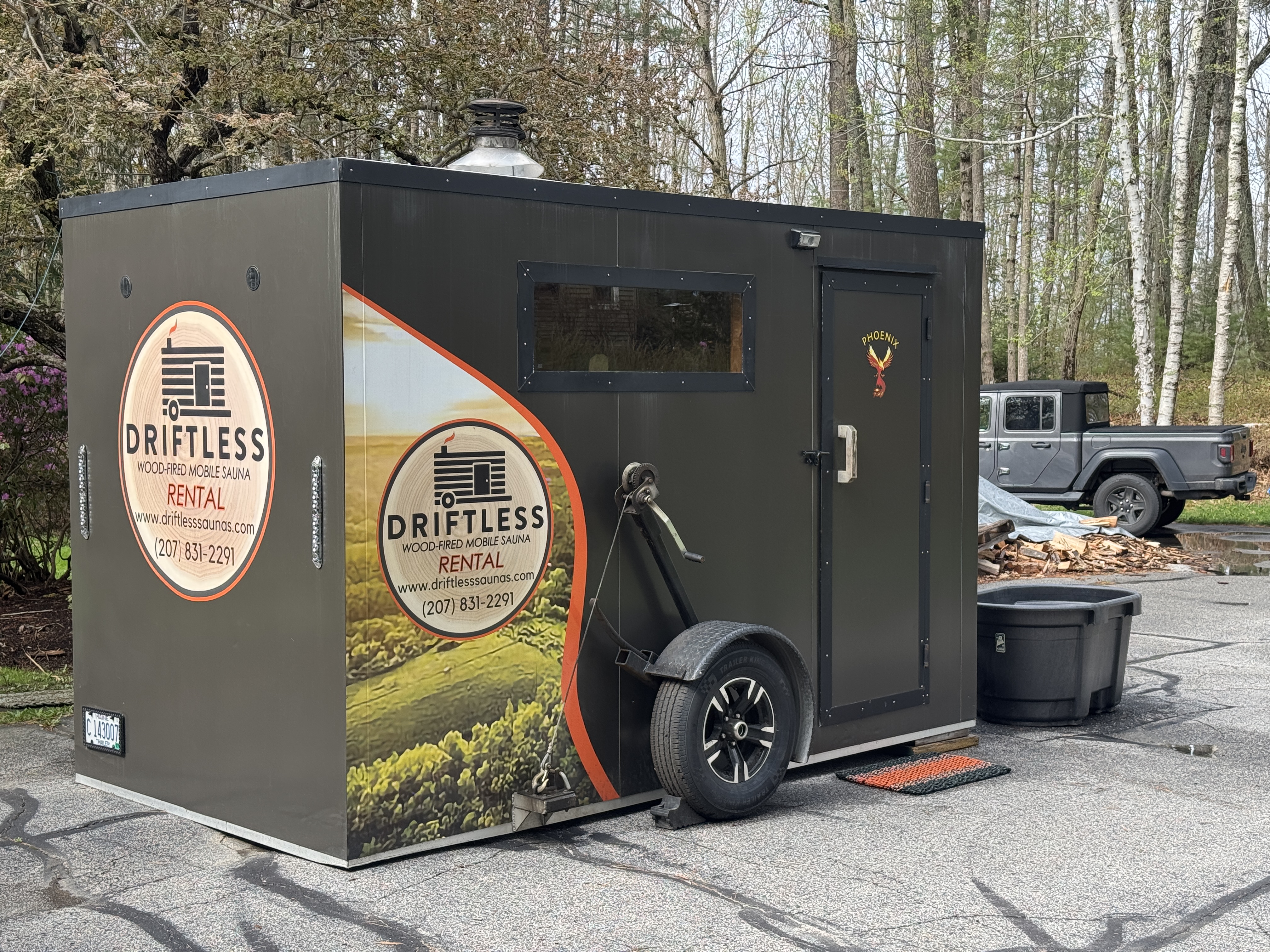
We liked the portable sauna so much that we got it back out here for Kate’s birthday.
May 7
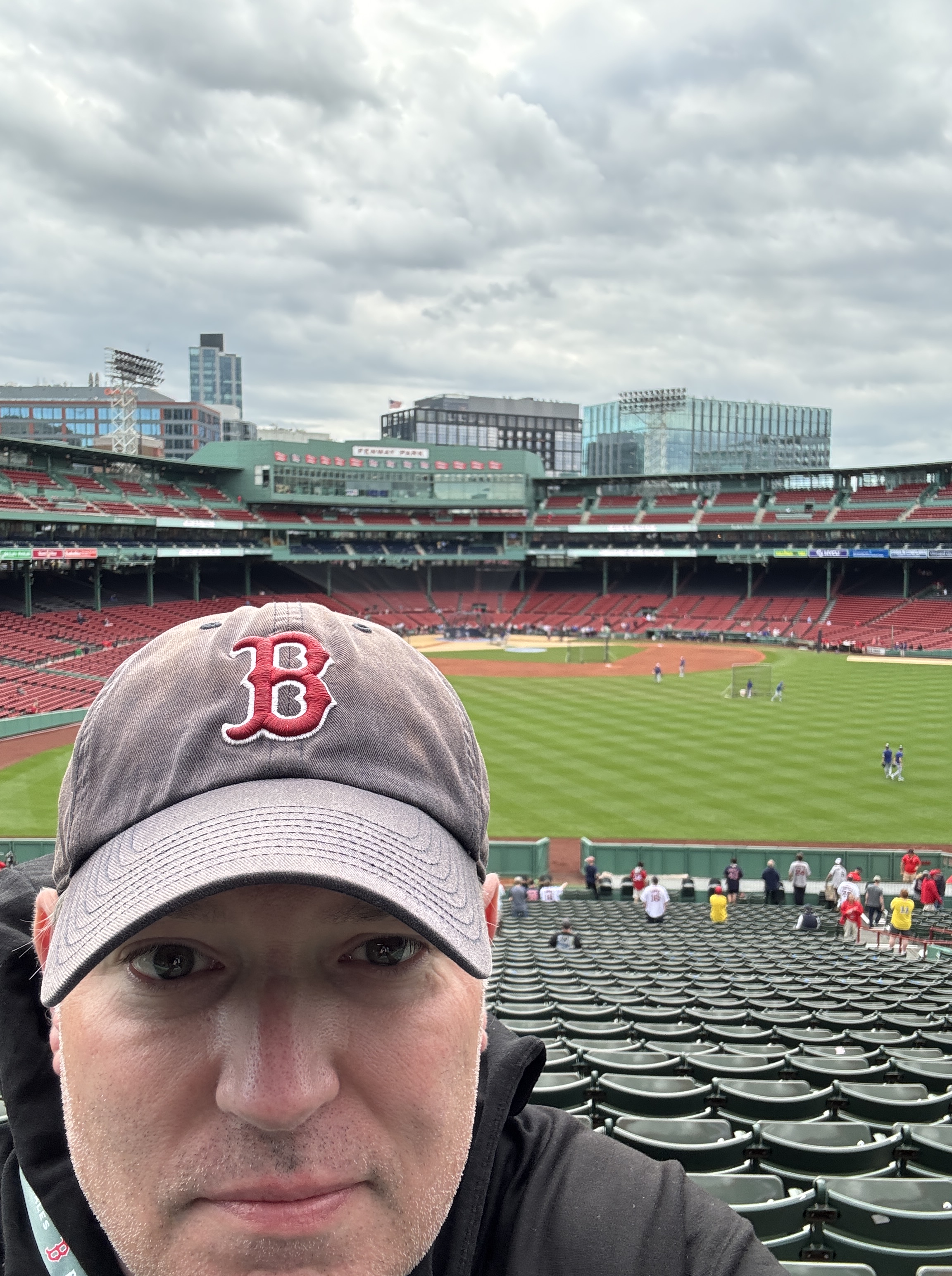
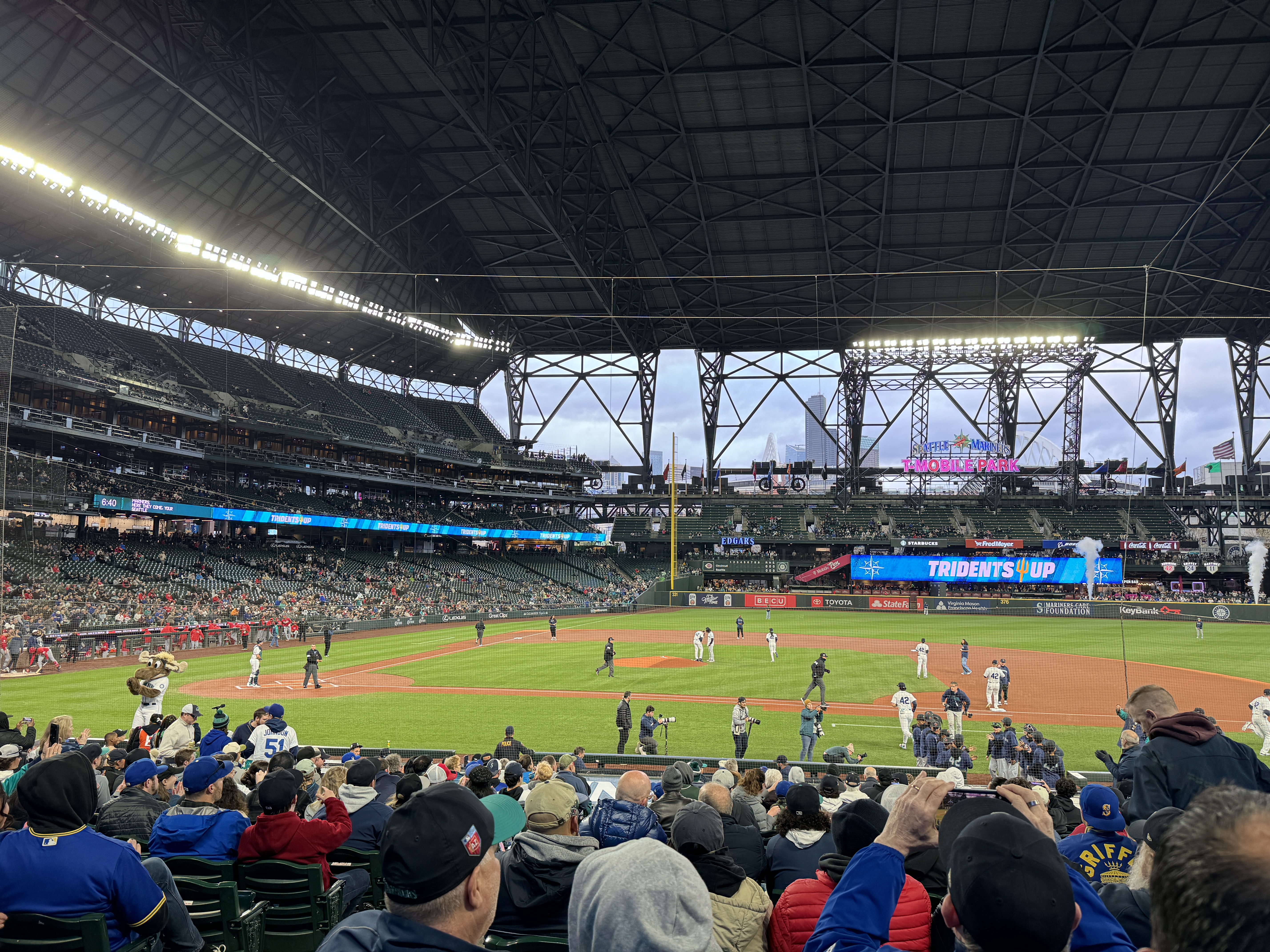
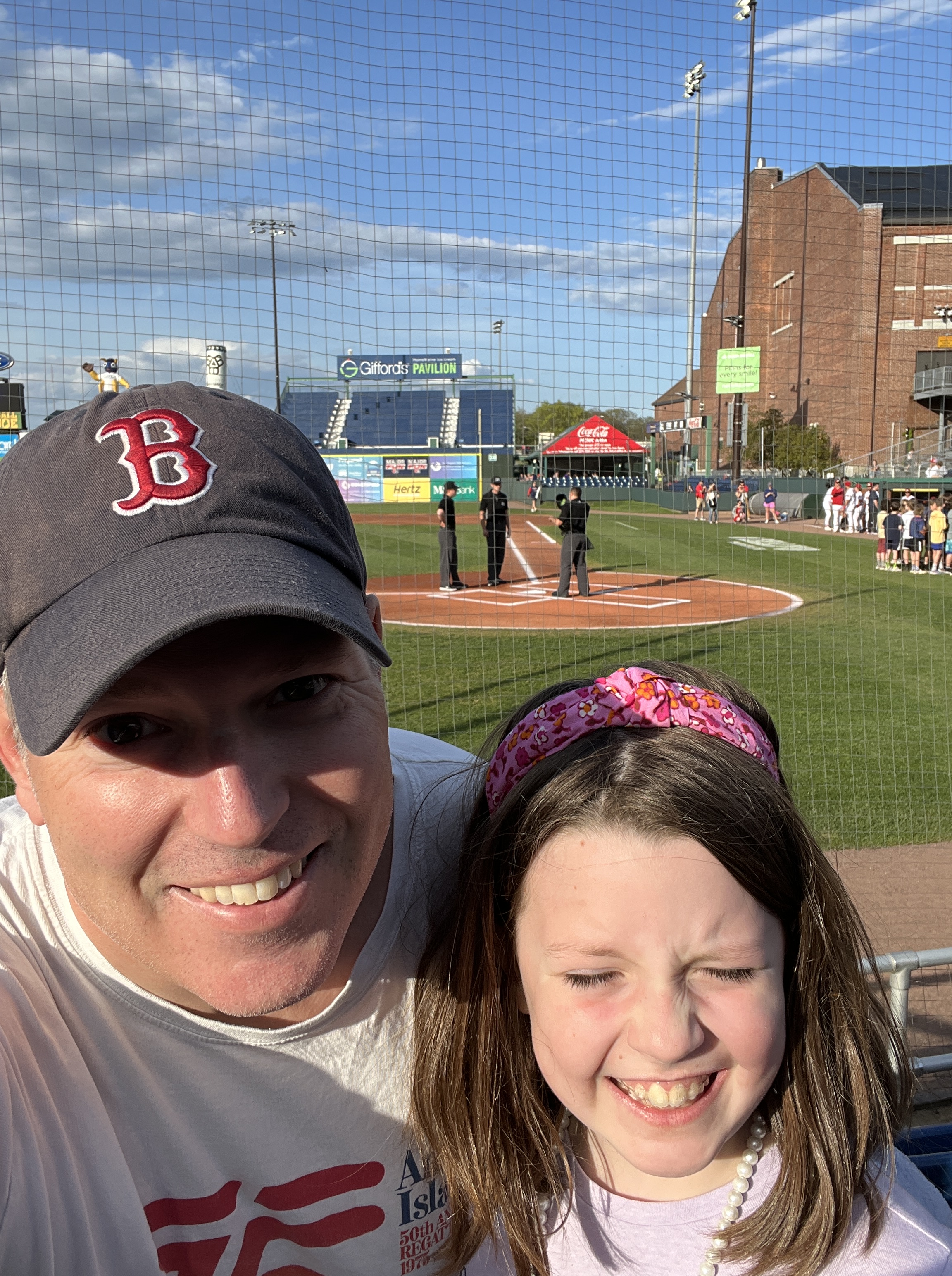
First visit to Fenway of the season.
May 20
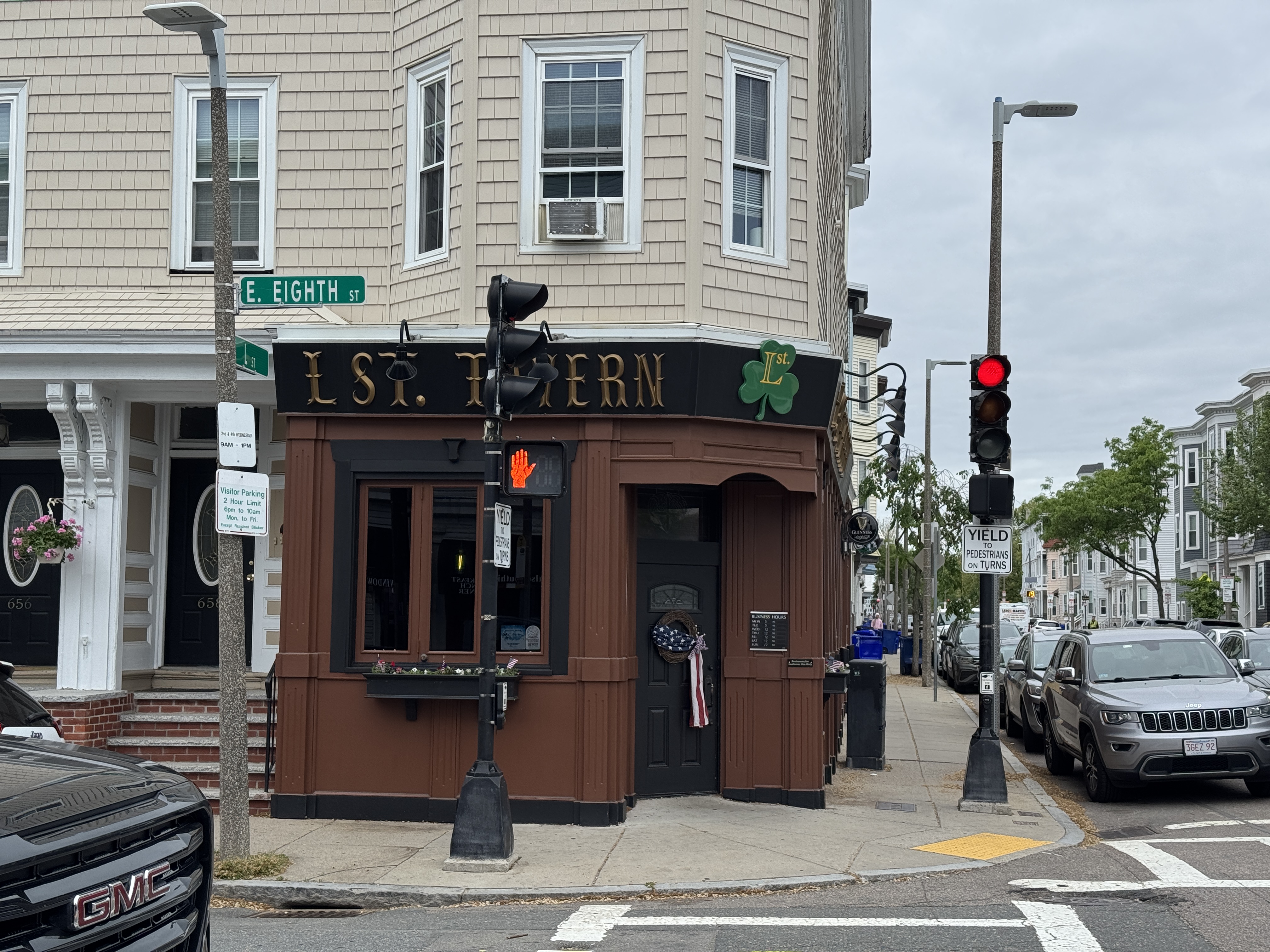
The last time I was here was with a group including my friend Sean. I miss you, buddy.
May 21
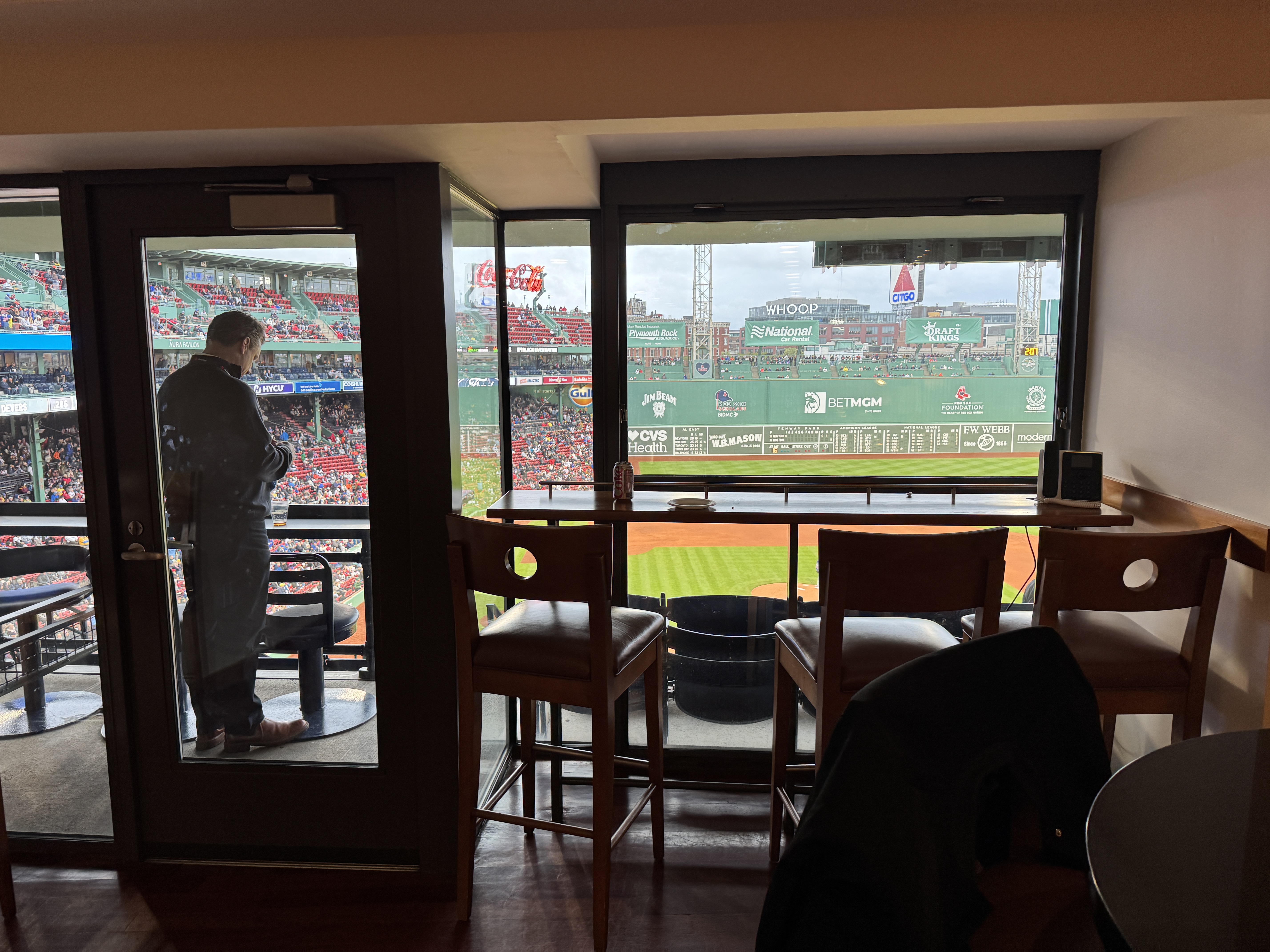
Back at Fenway, this time in a box. Huge shout out to the AR person who got me in to the “influencers” box, where a bunch of them took selfies in the first five minutes then retired to sit on couches inside not bothering with the game (even though Crochet was throwing).
May 27
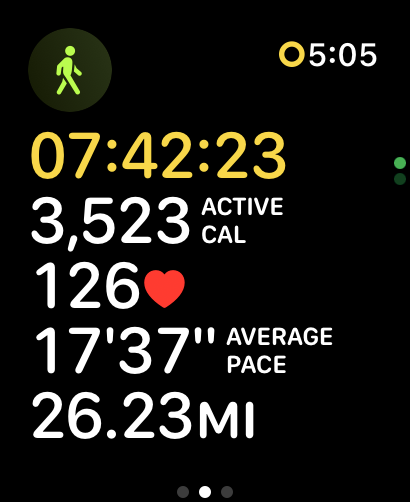
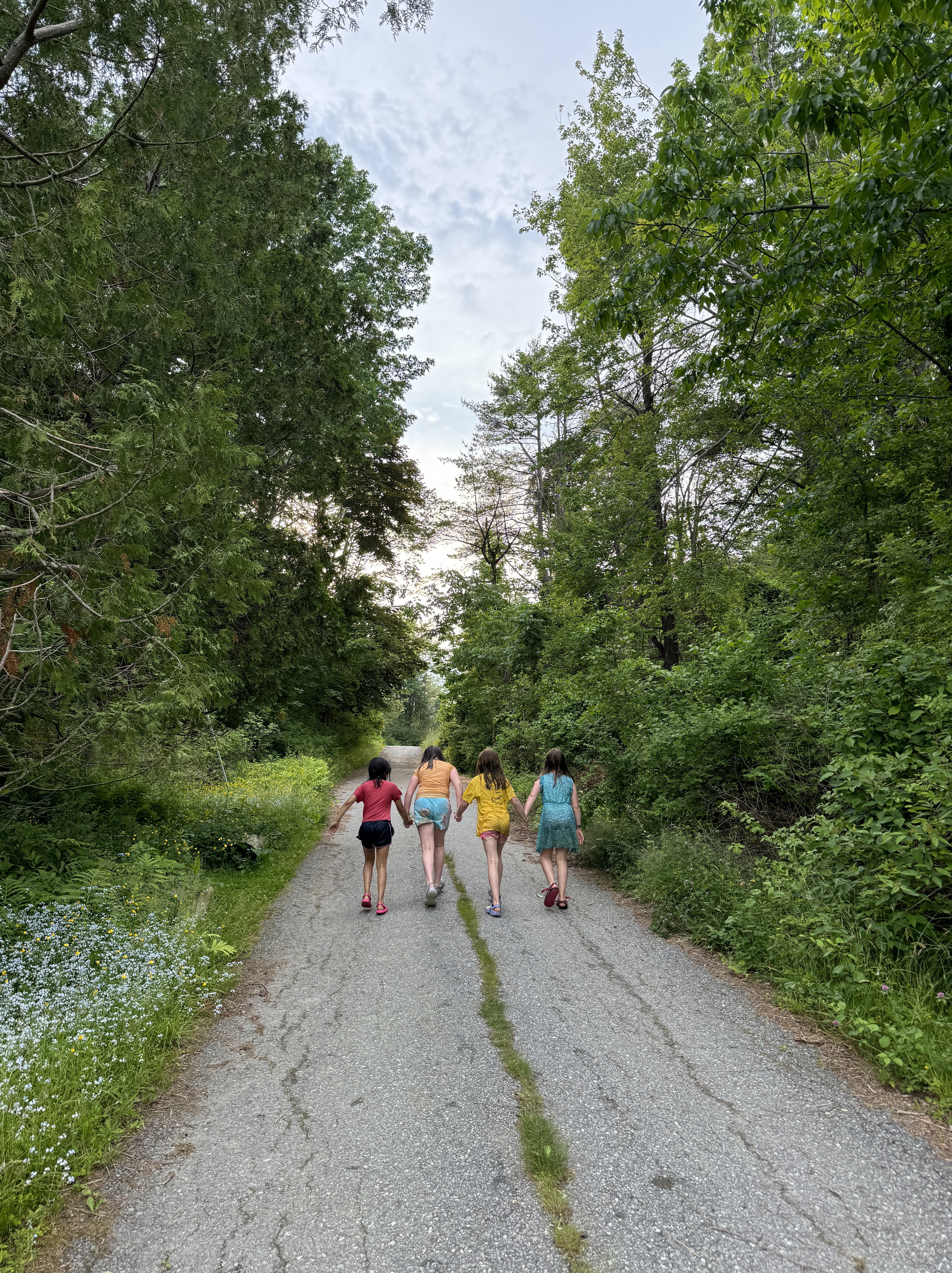
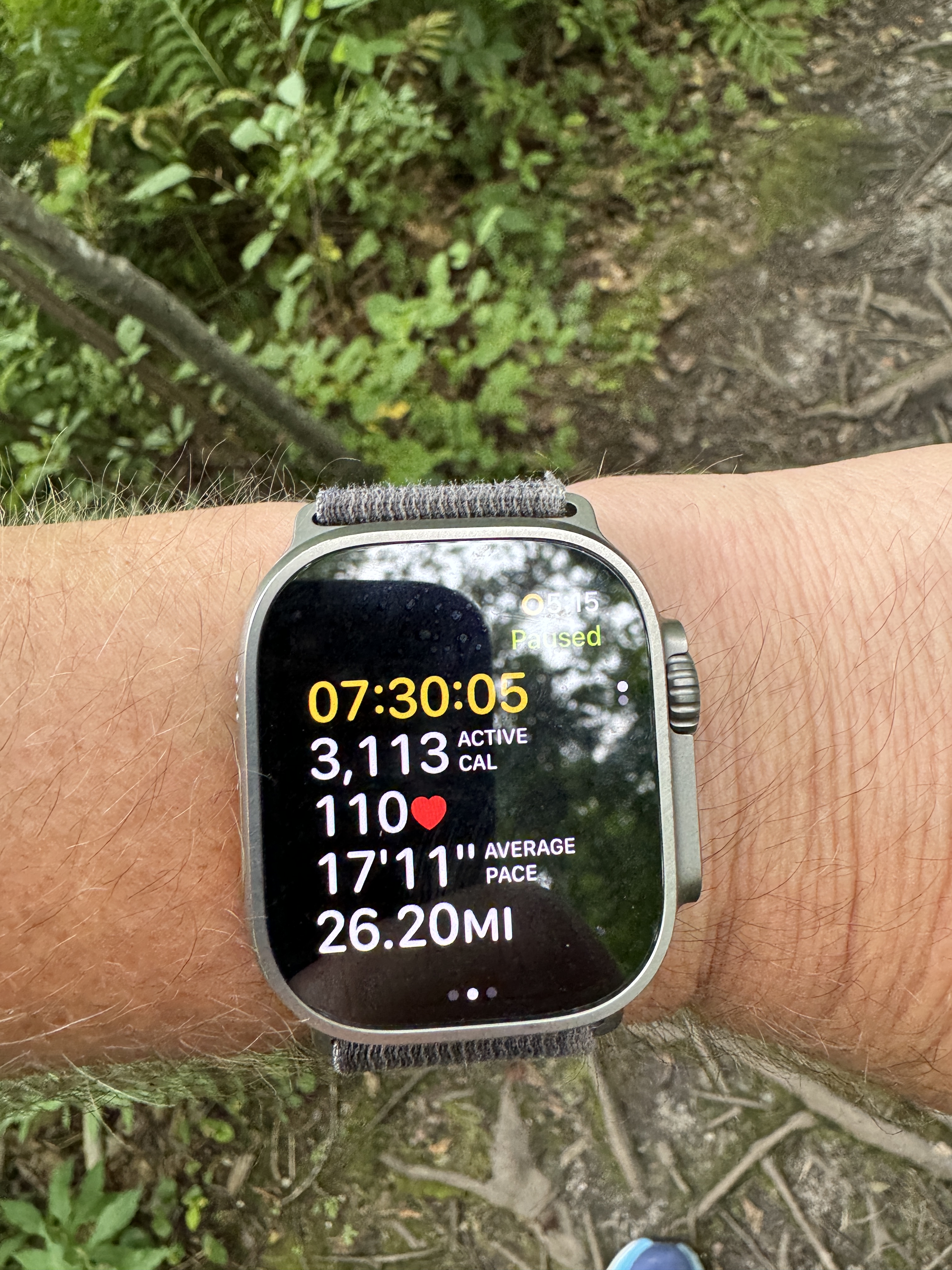
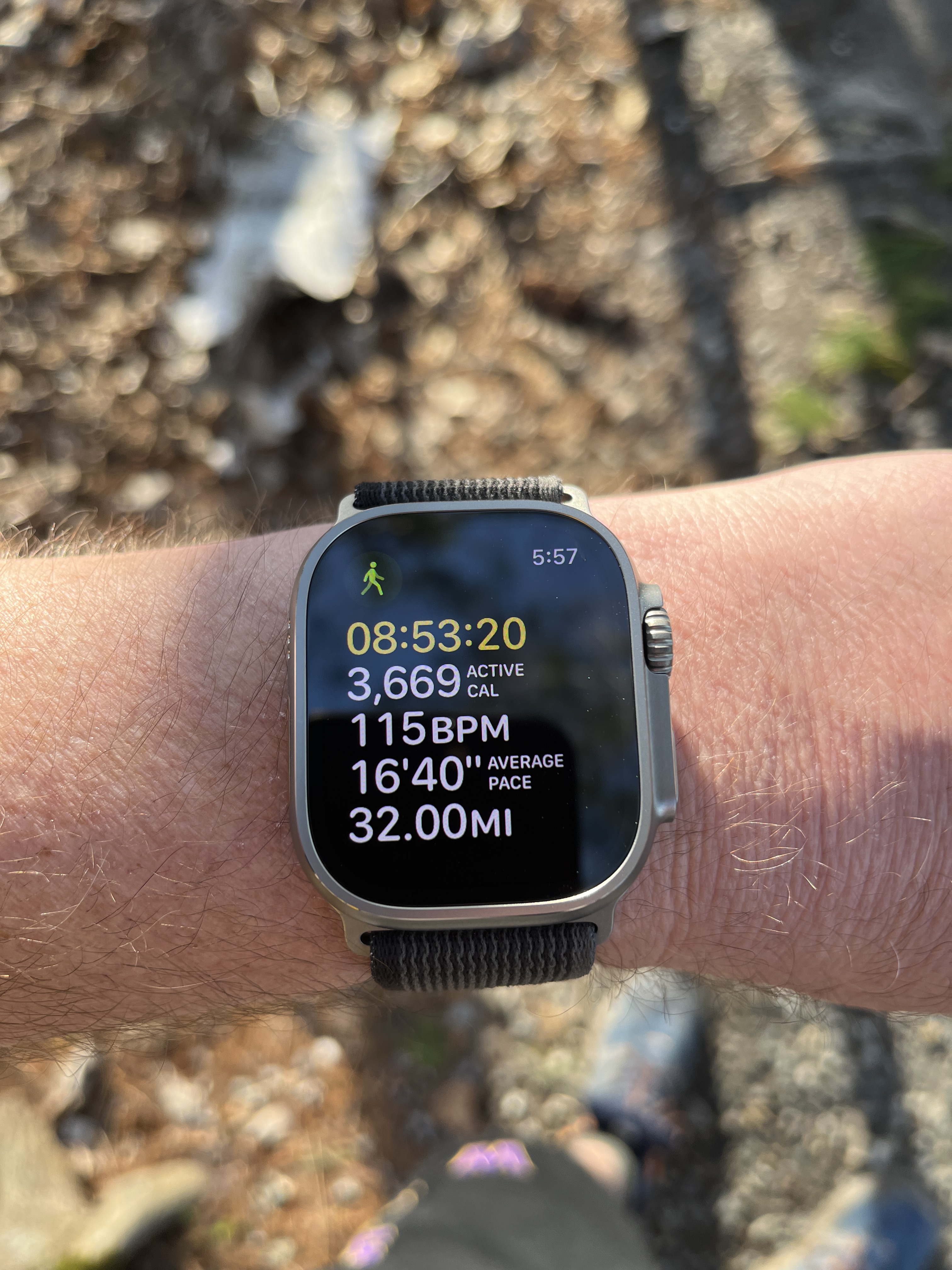
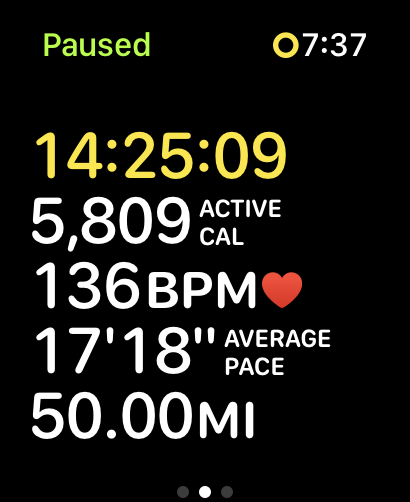
First long walk of the year.
May 29
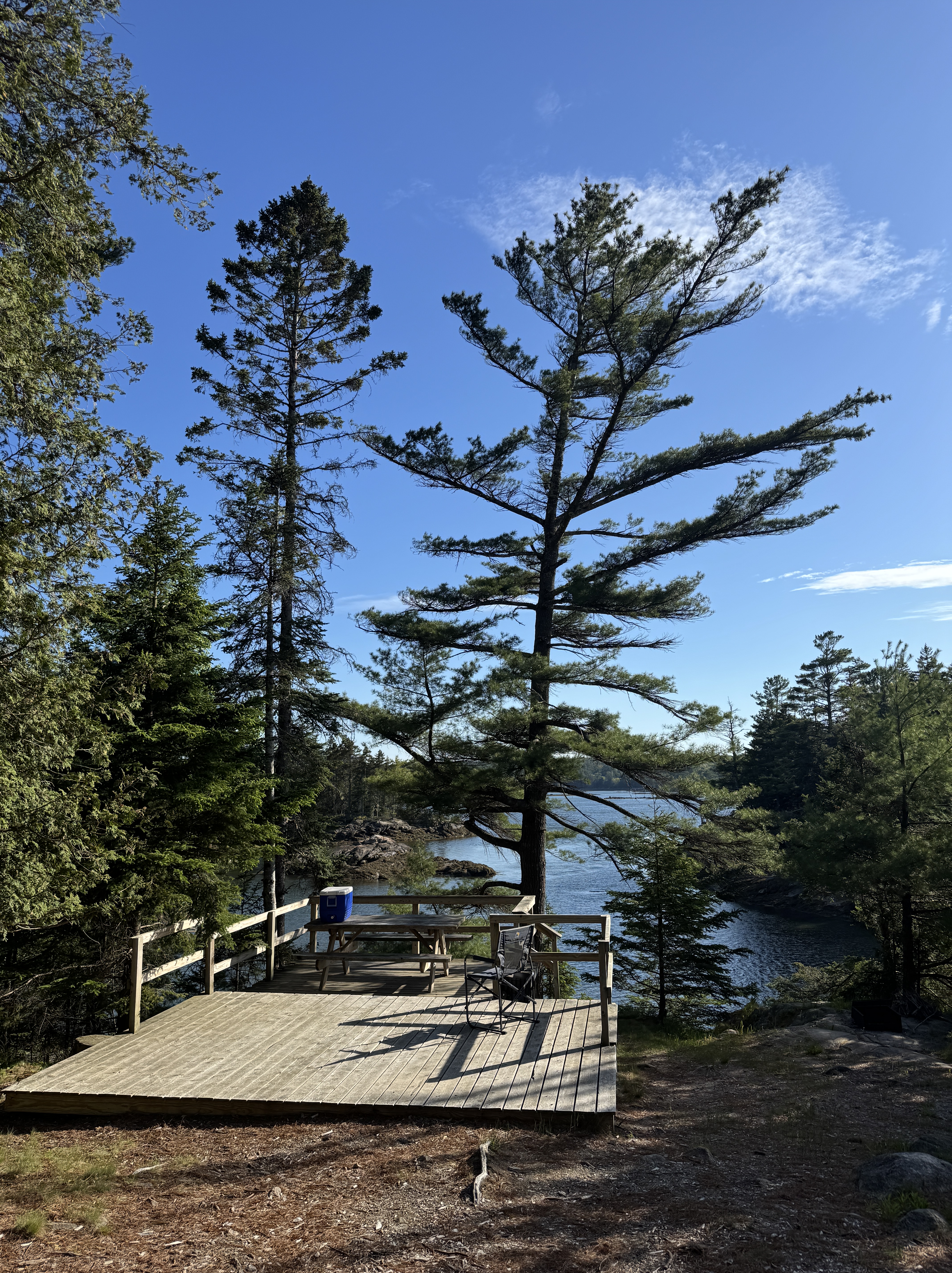
Went camping with some friends in Acadia. They’ve got the best campsite locations dialed in.
June 11
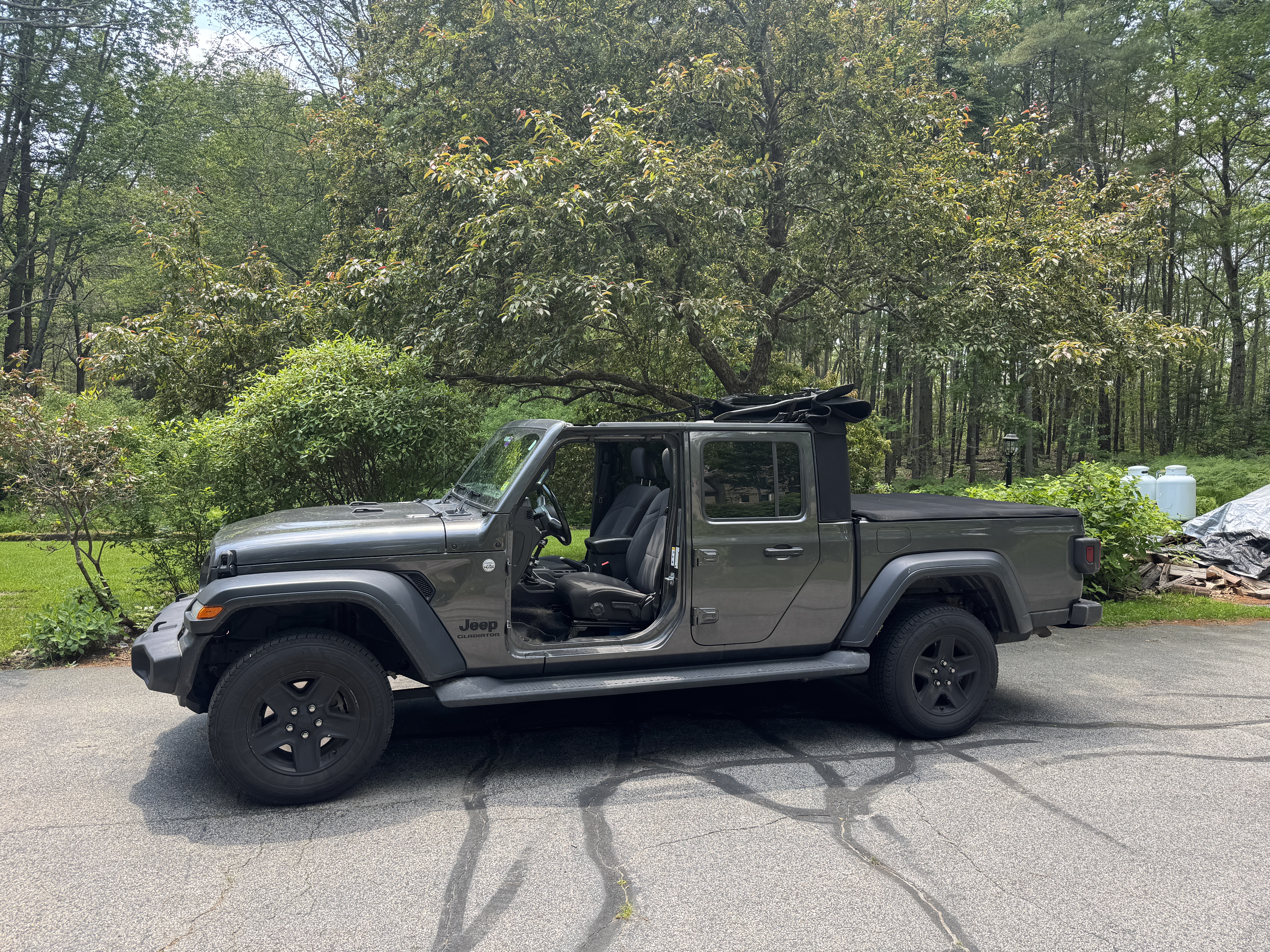
First doors off day of the year.
June 14
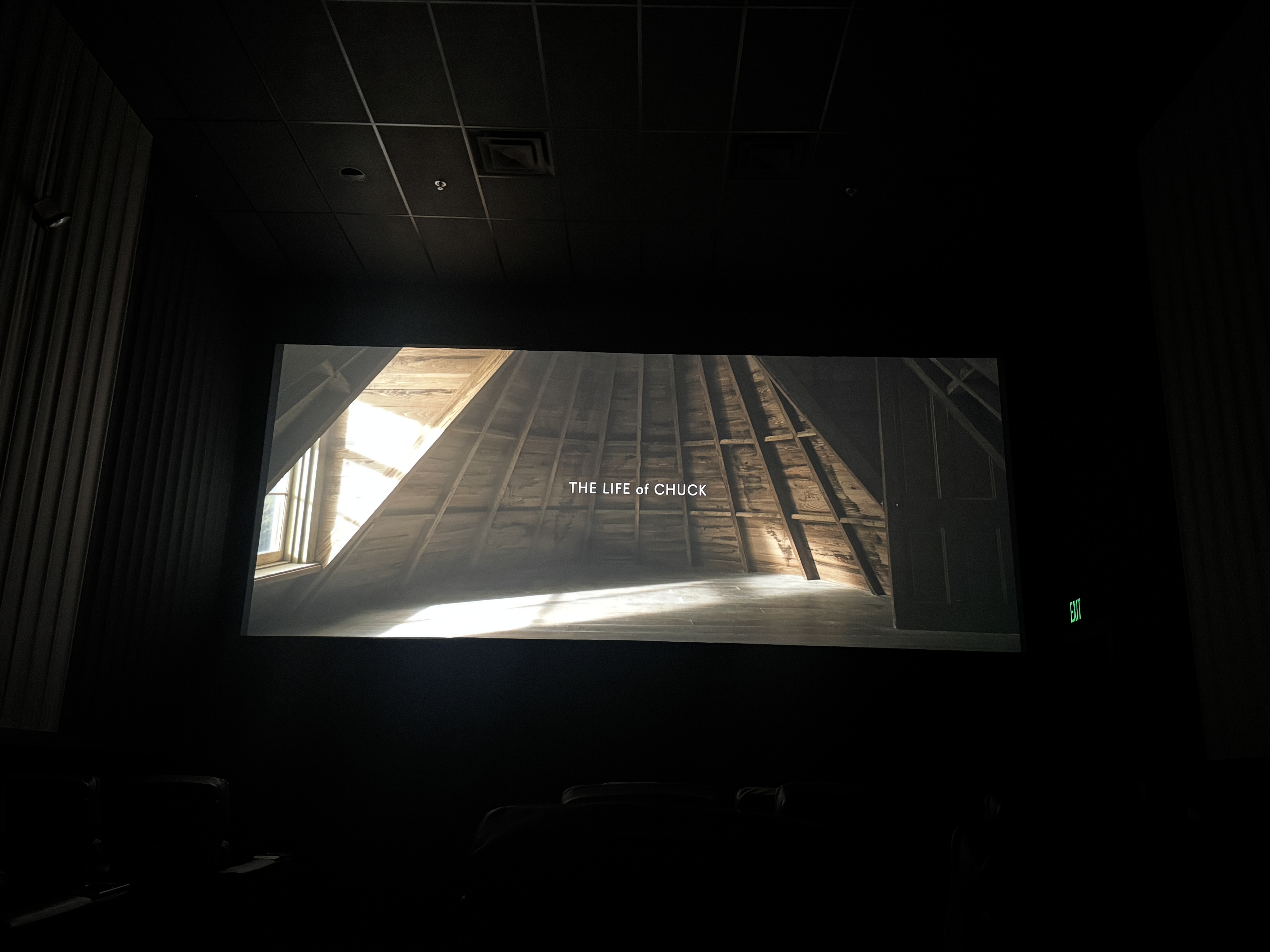
Finally got to see the Life of Chuck, a film by Mike Flanagan based on a Stephen King novella with a unique structure. It’s the best feel good disaster movie you’ll ever see.
June 19
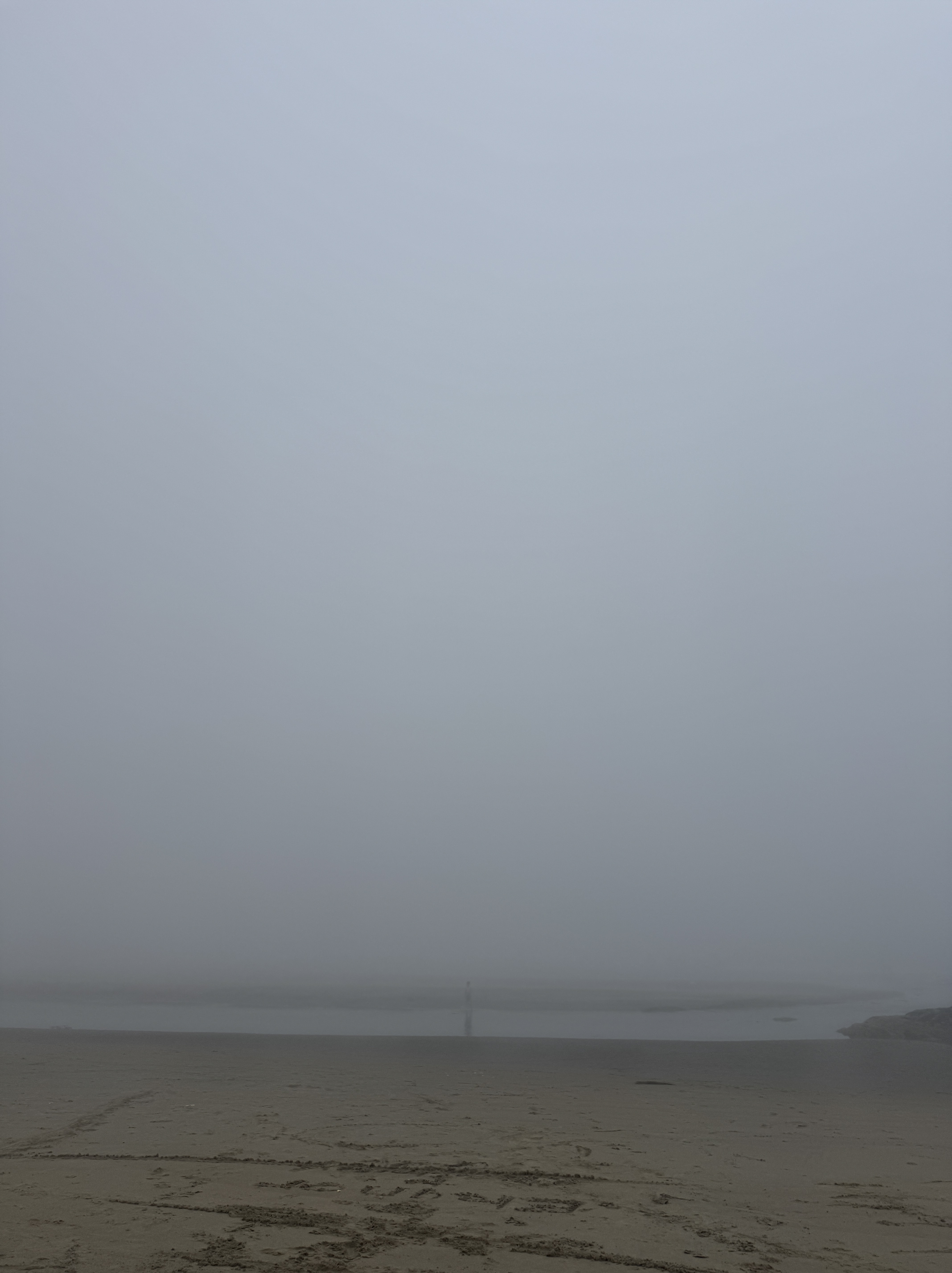
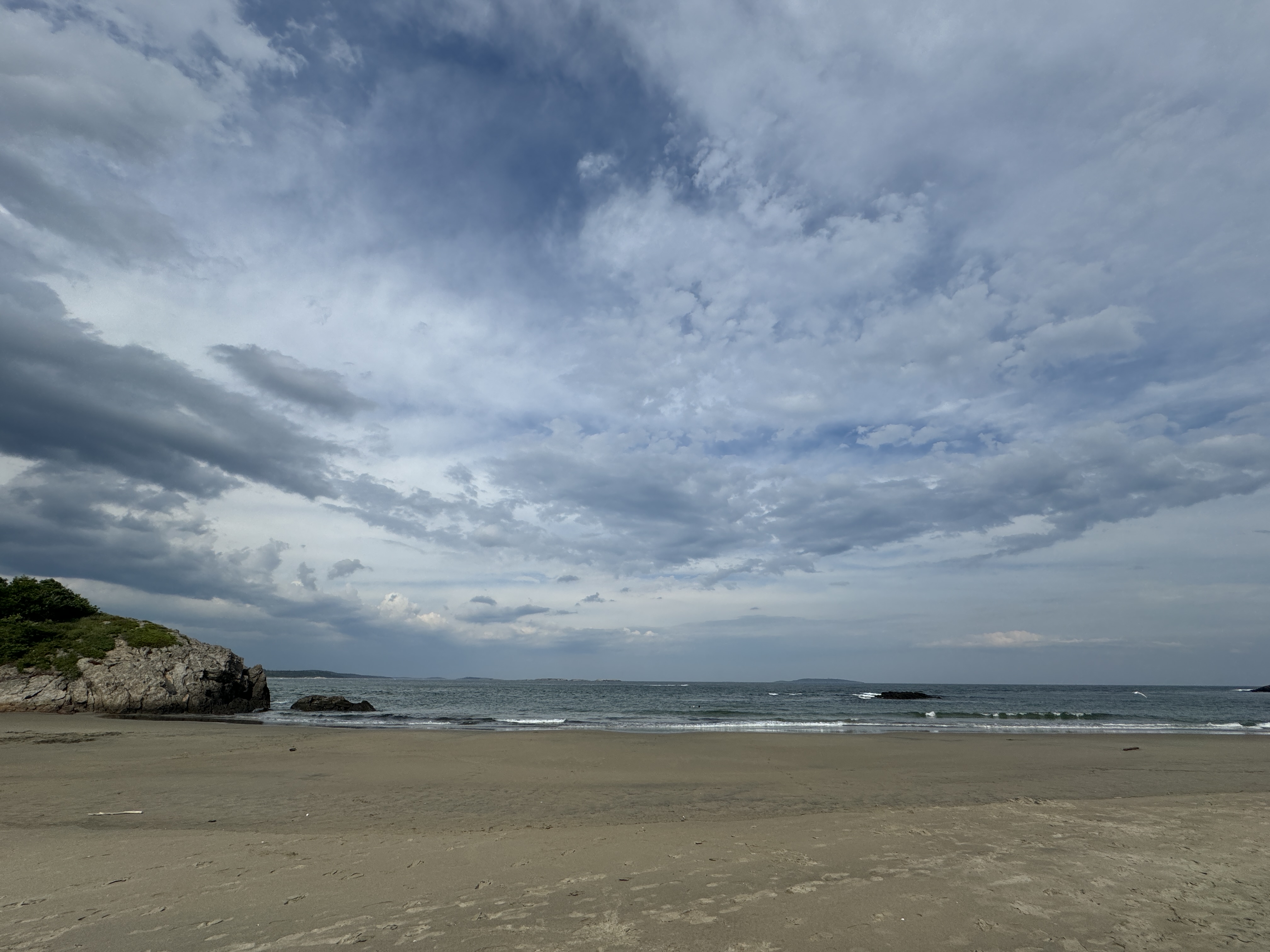
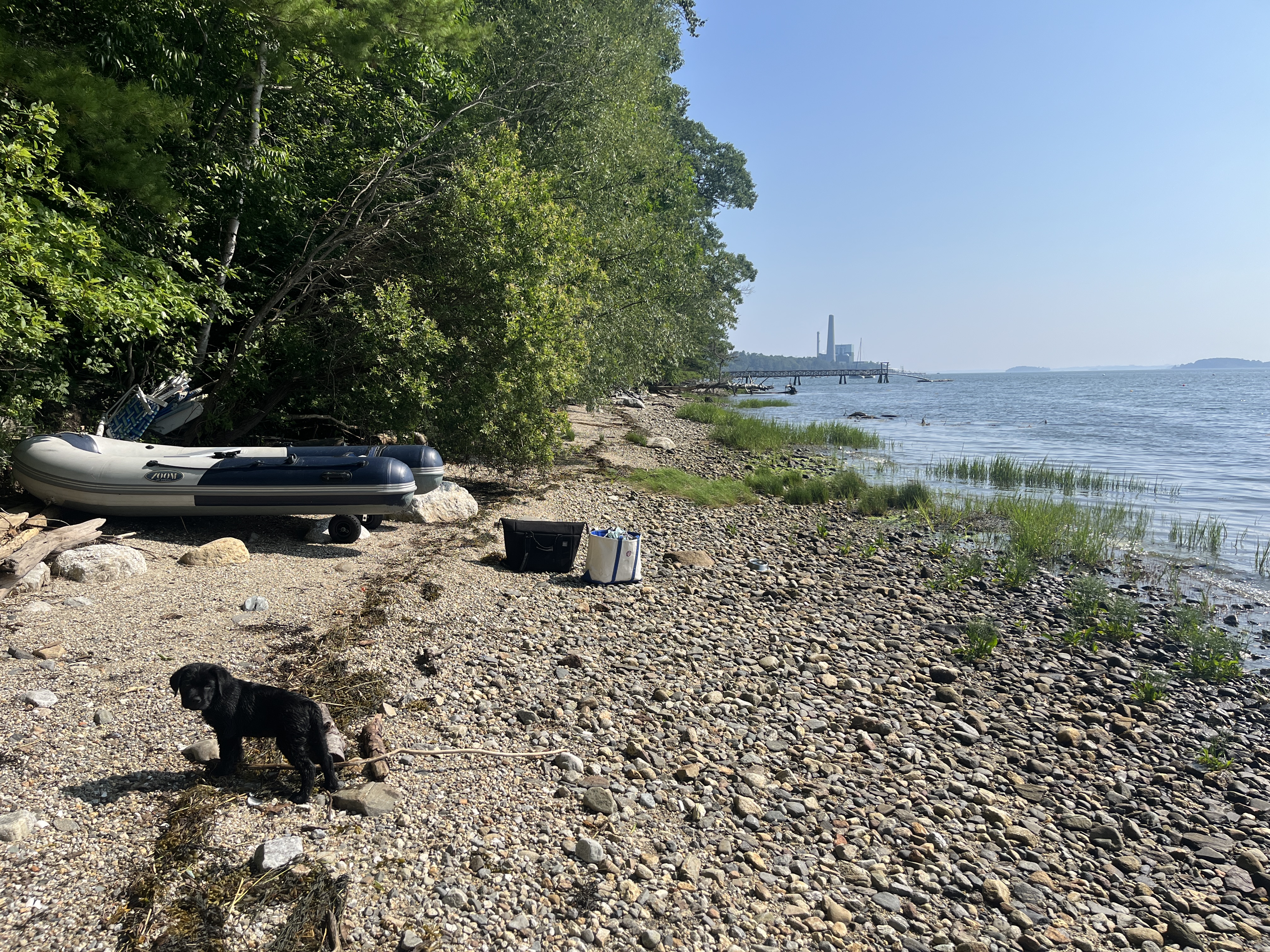
Got to visit the secret beach that is not on our island, but up the coast. Such a privilege.
June 20
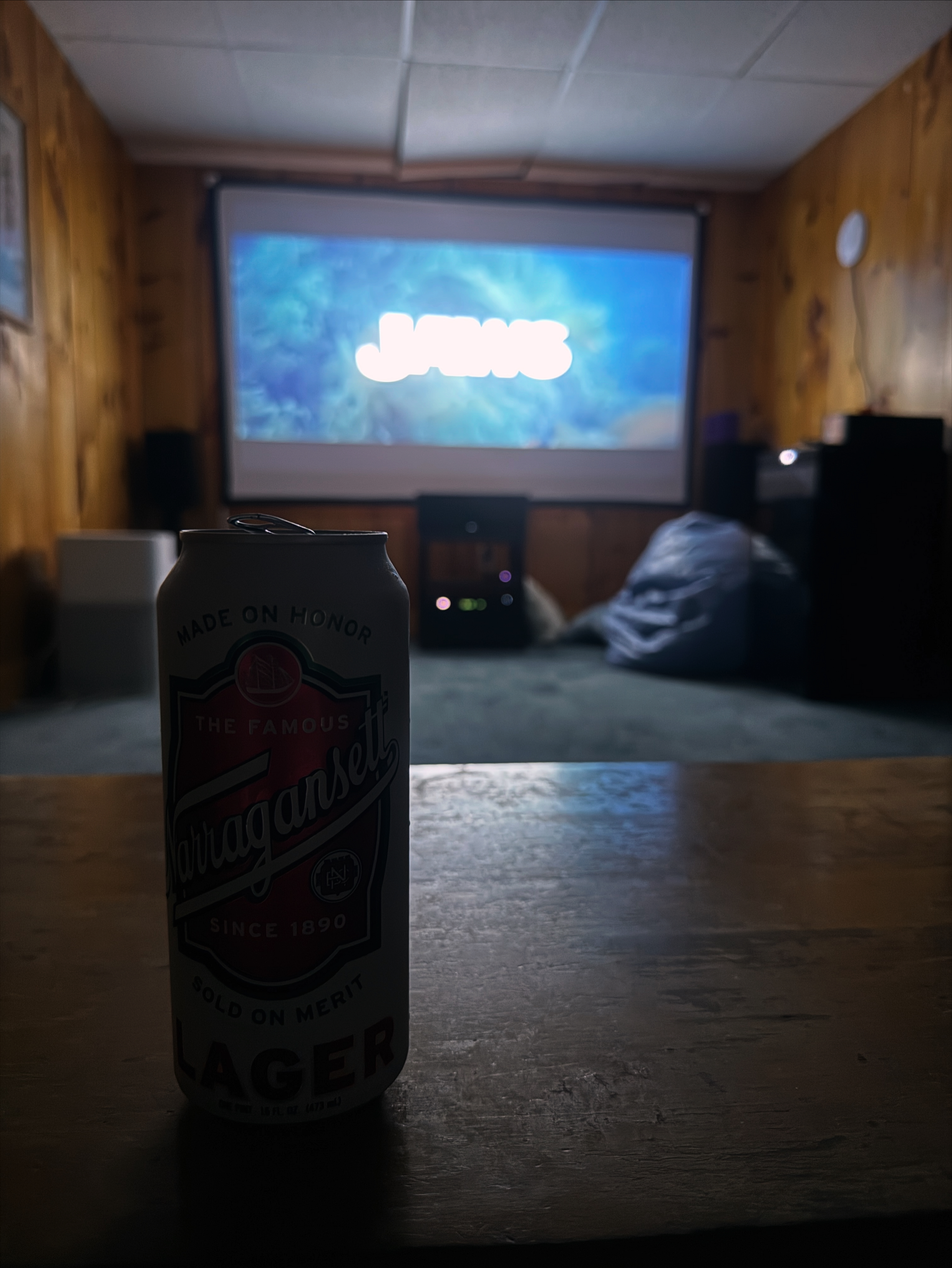
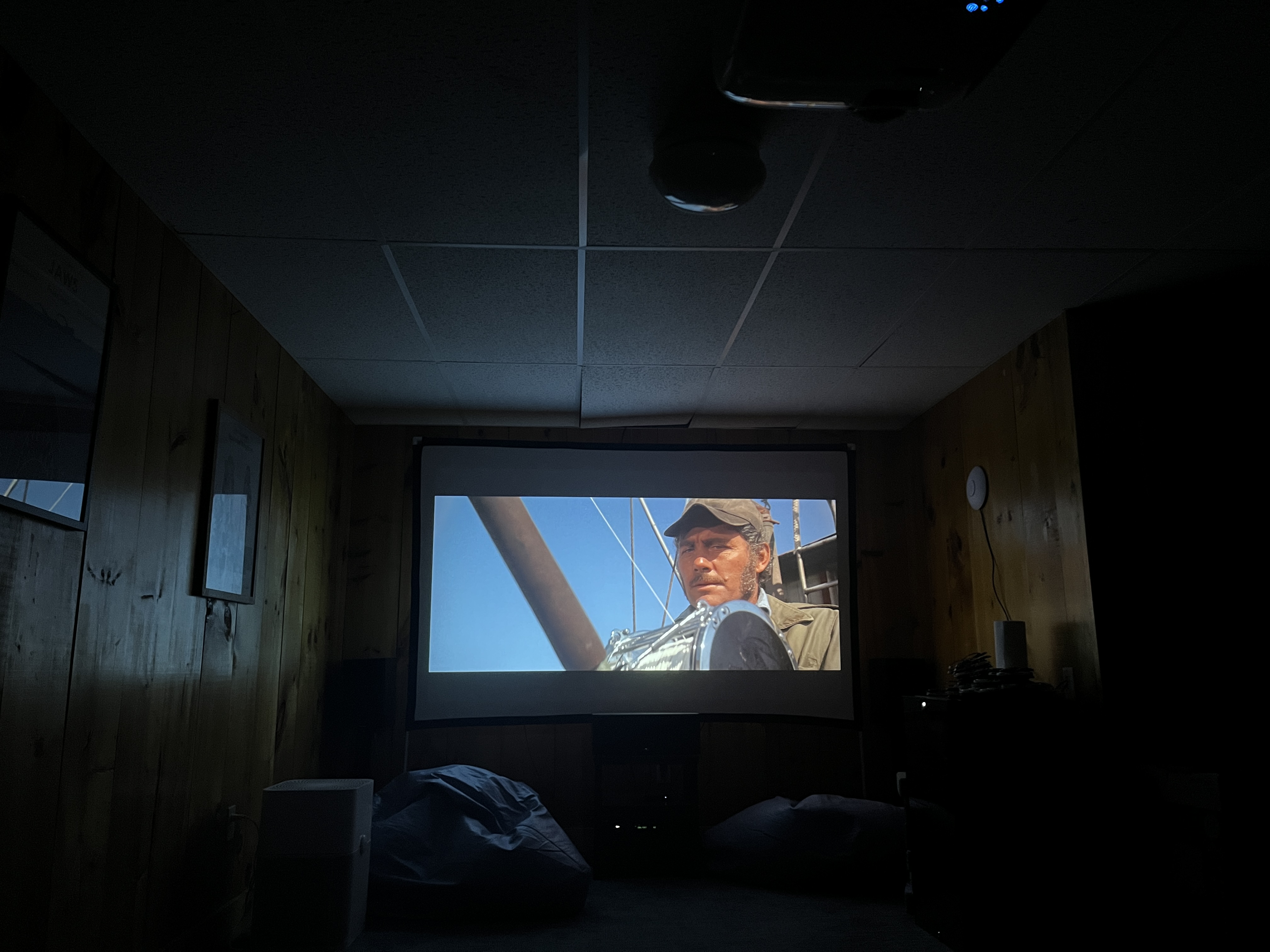
Annual Jaws viewing: complete.
June 27
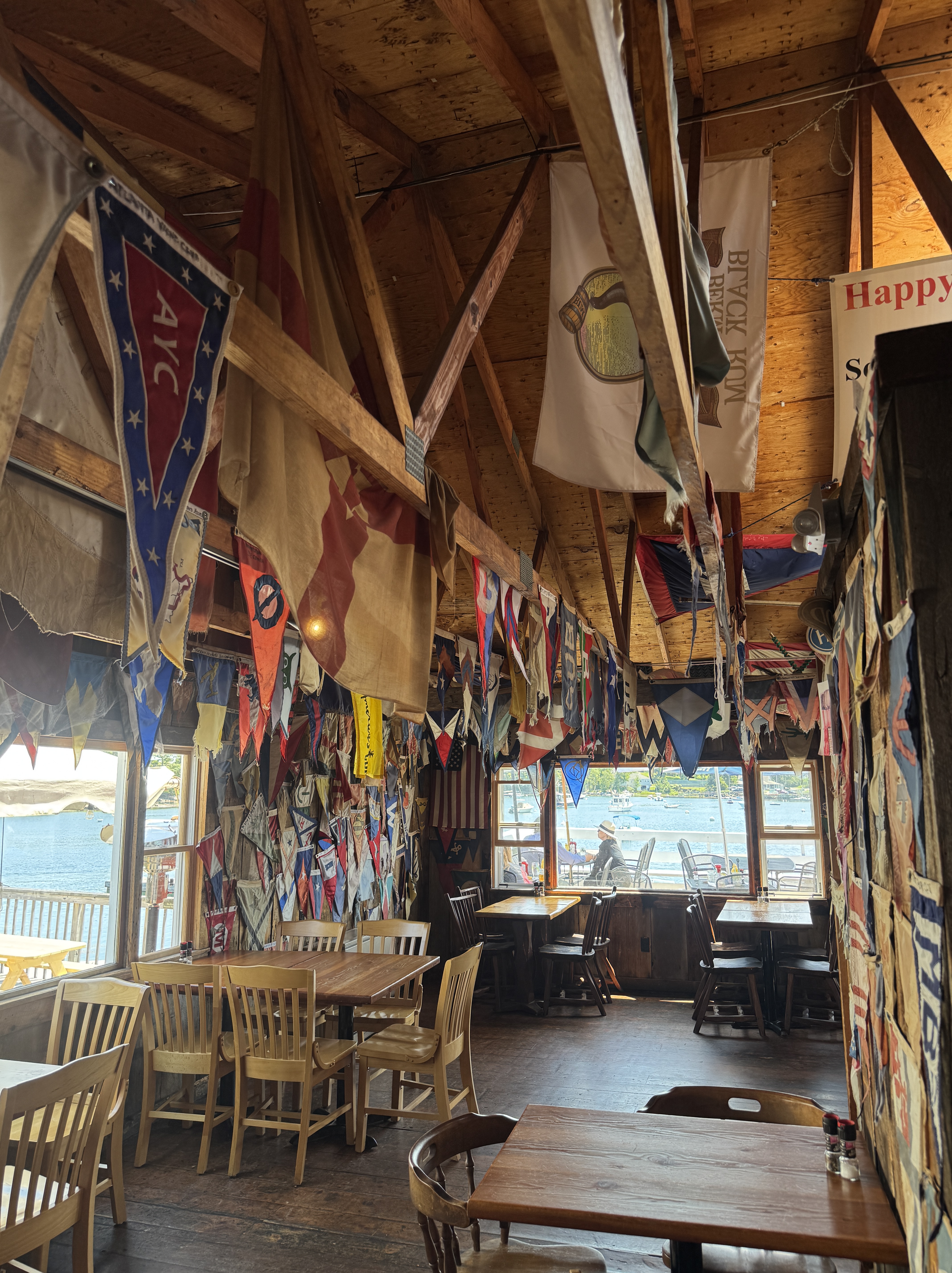
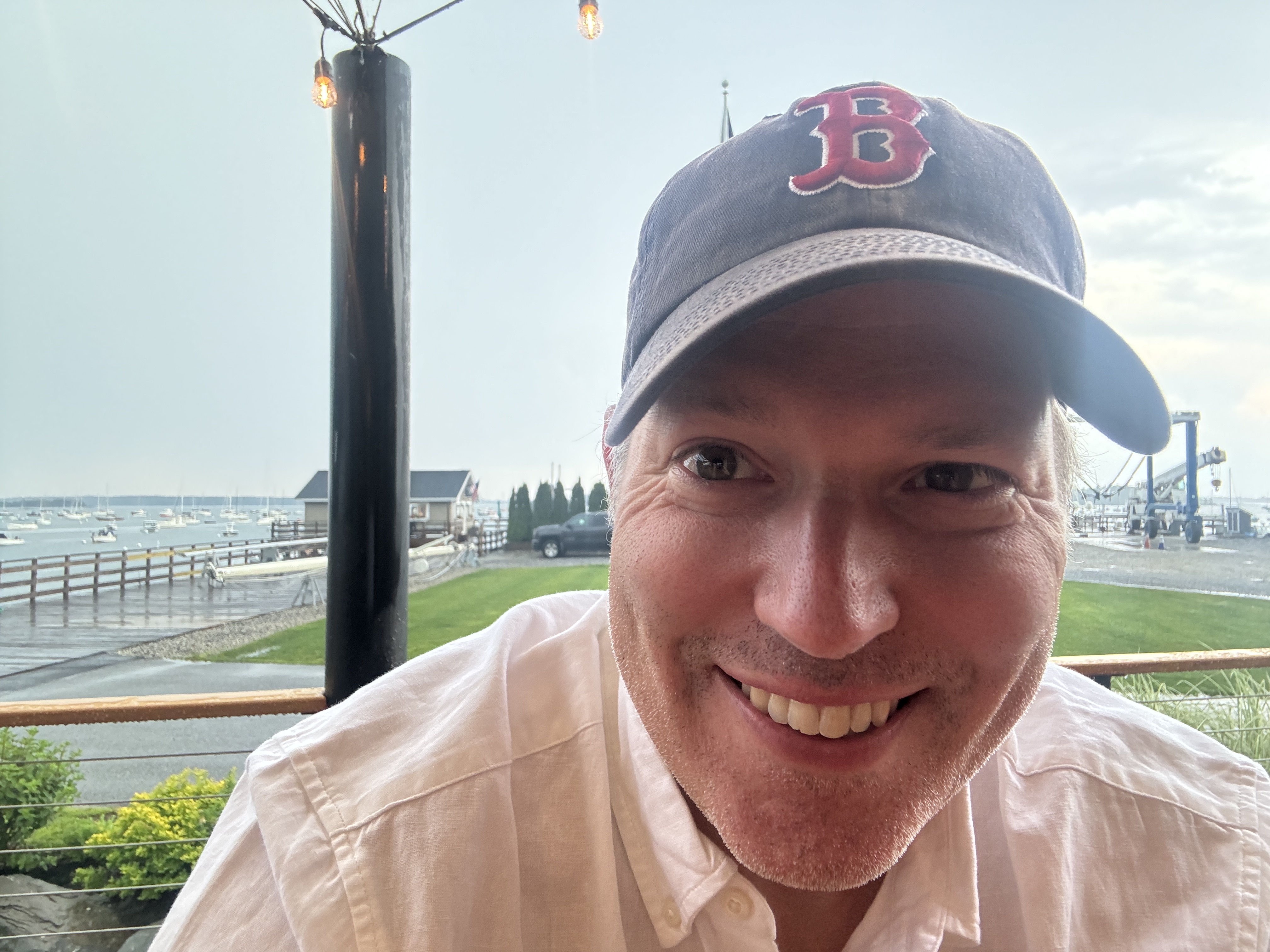
First (but not last) visit of the summer to one of the world’s great bars, Coveside.
July 10
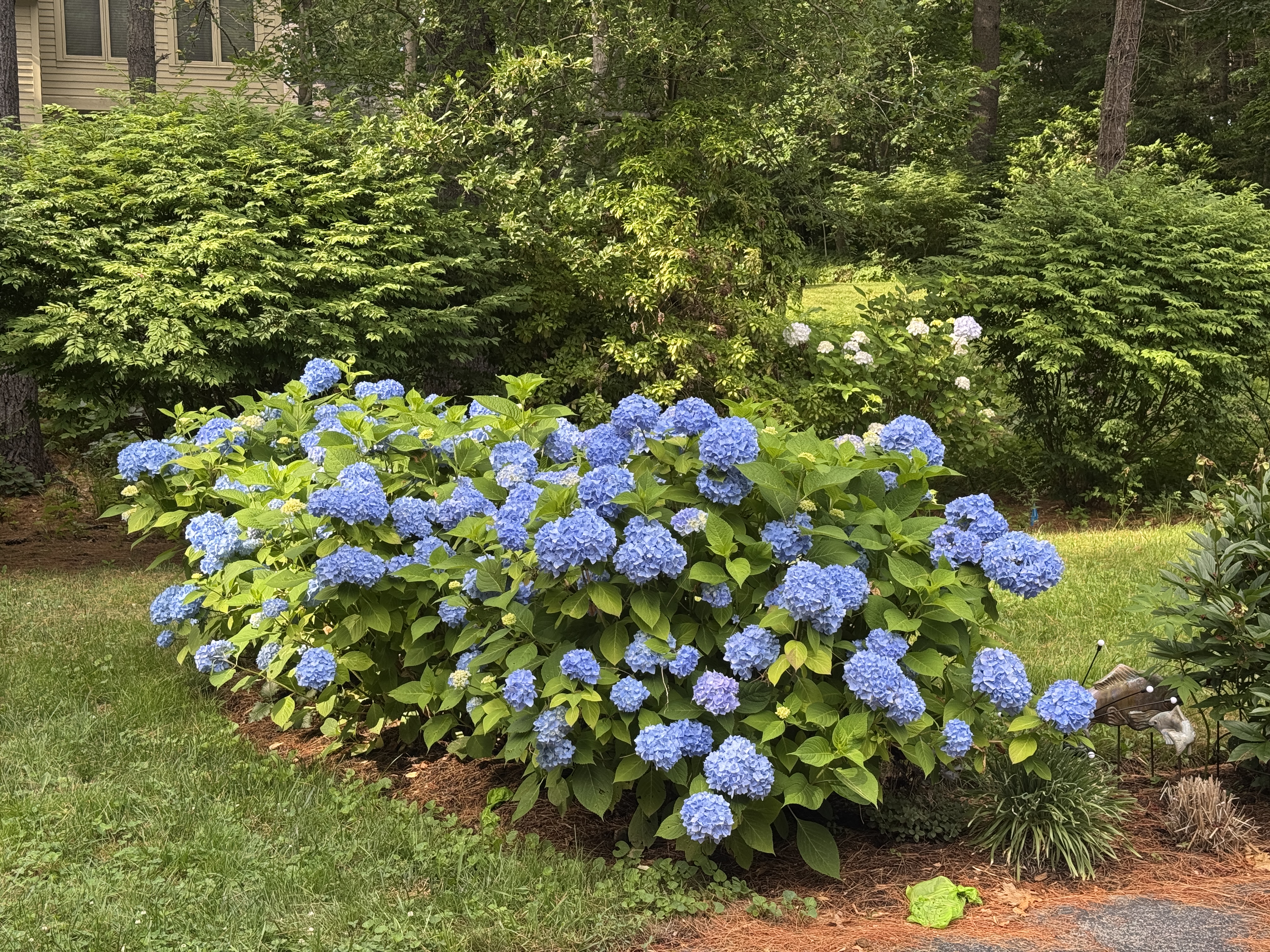
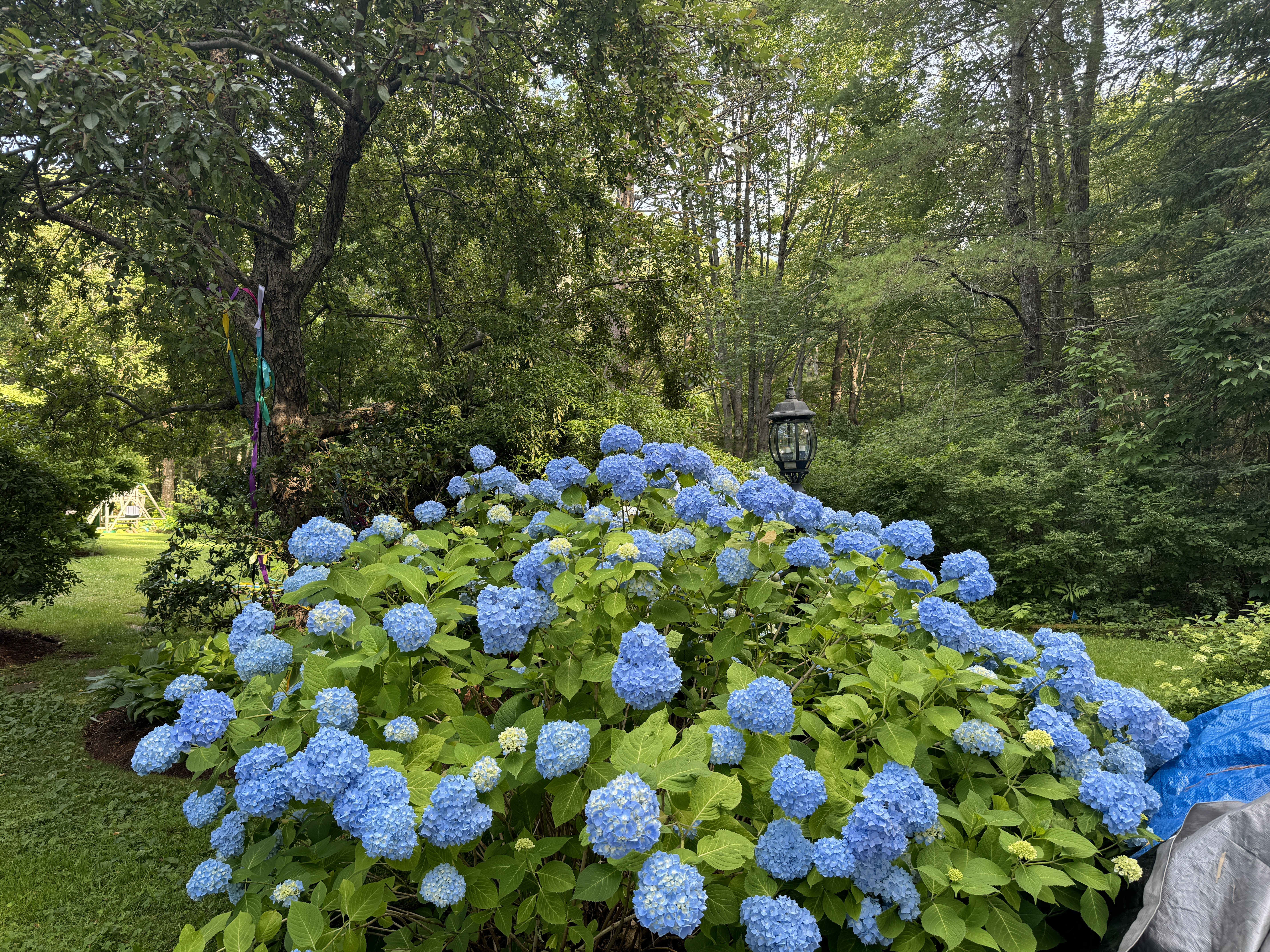
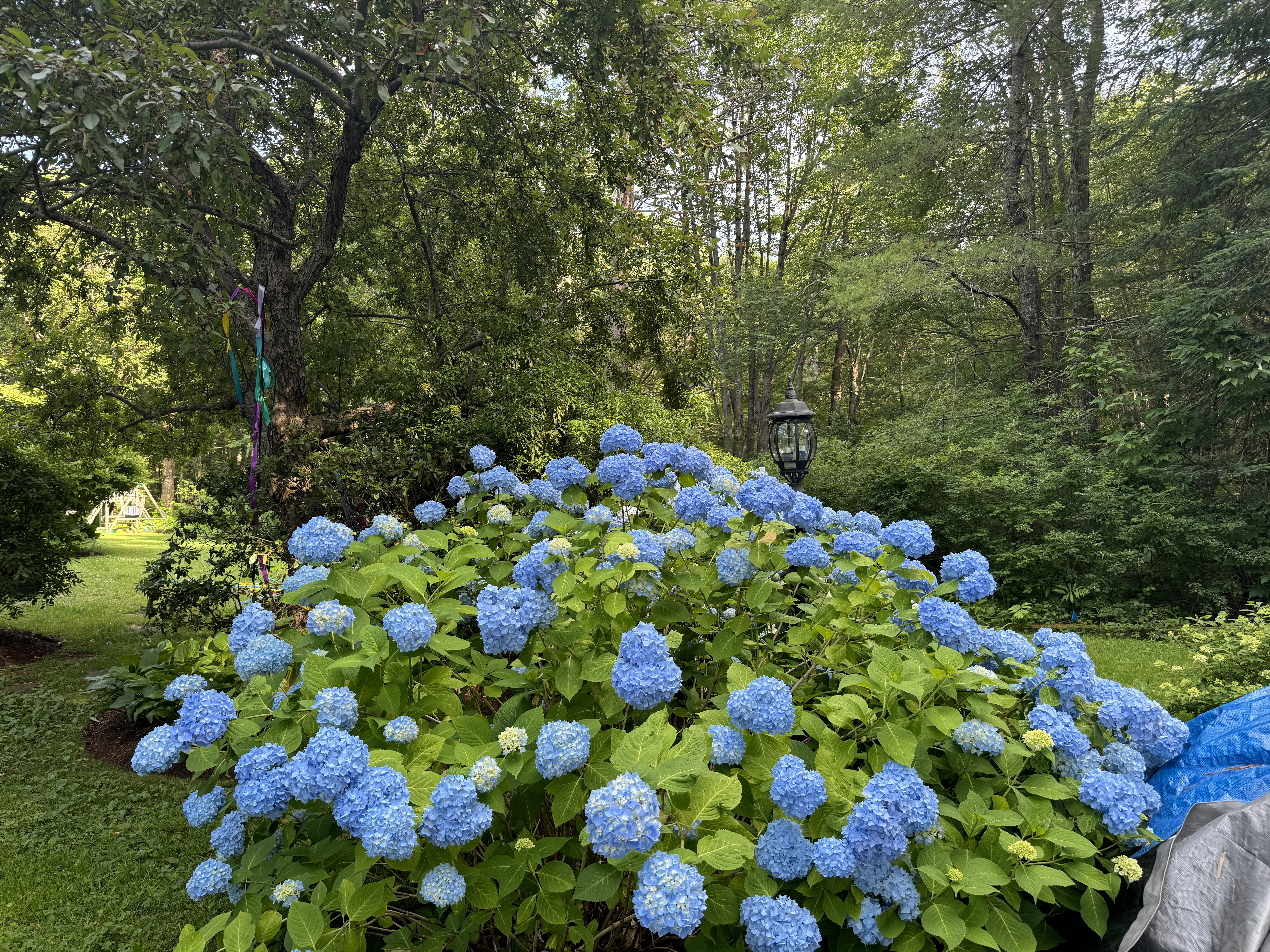
2025 was another great hydrangea season, but I’m worried about 2026 giving that the starving island deer (we’ve got tons of deer but zero natural predators) have resorted to feeding on them.
July 22
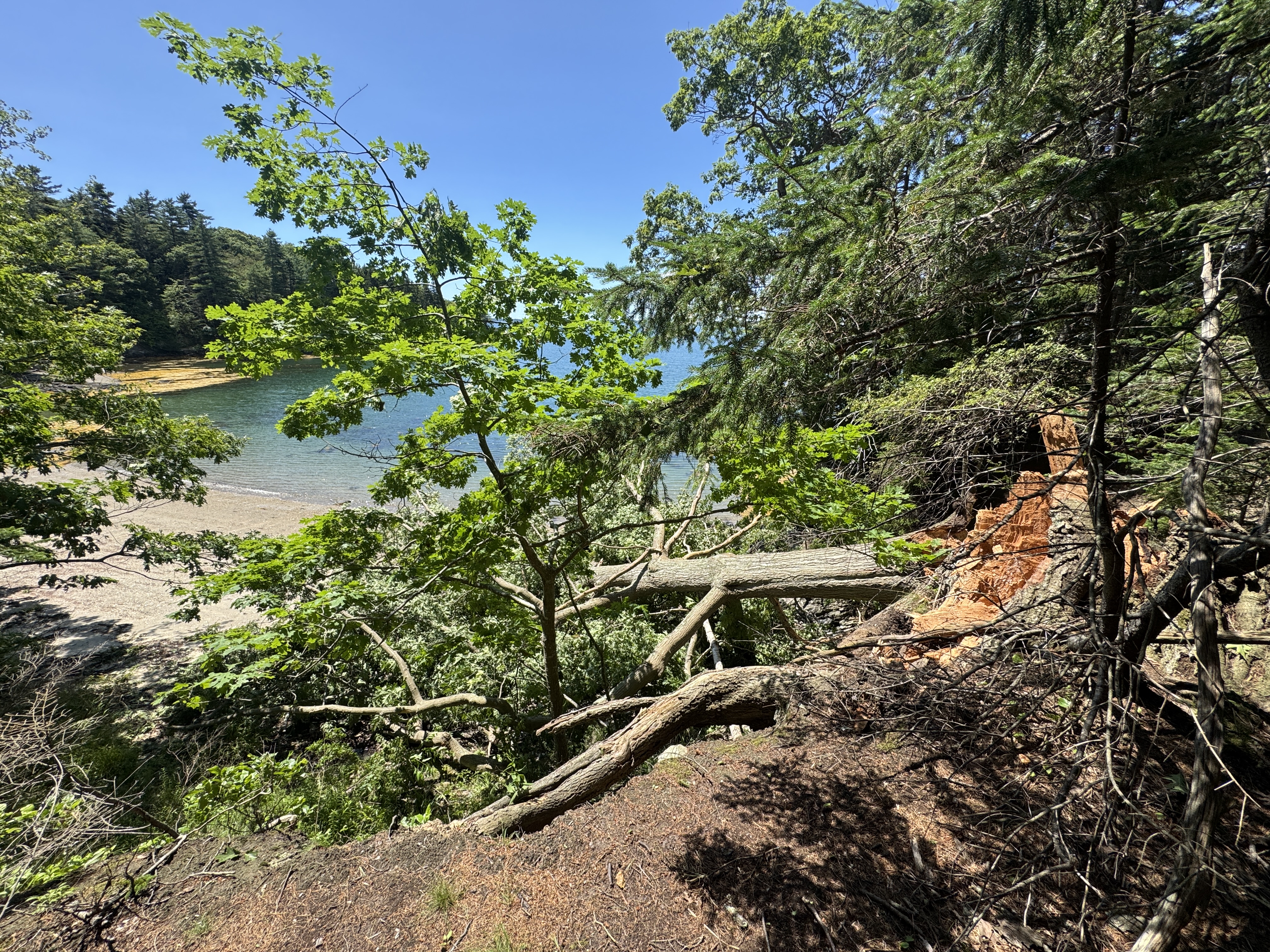
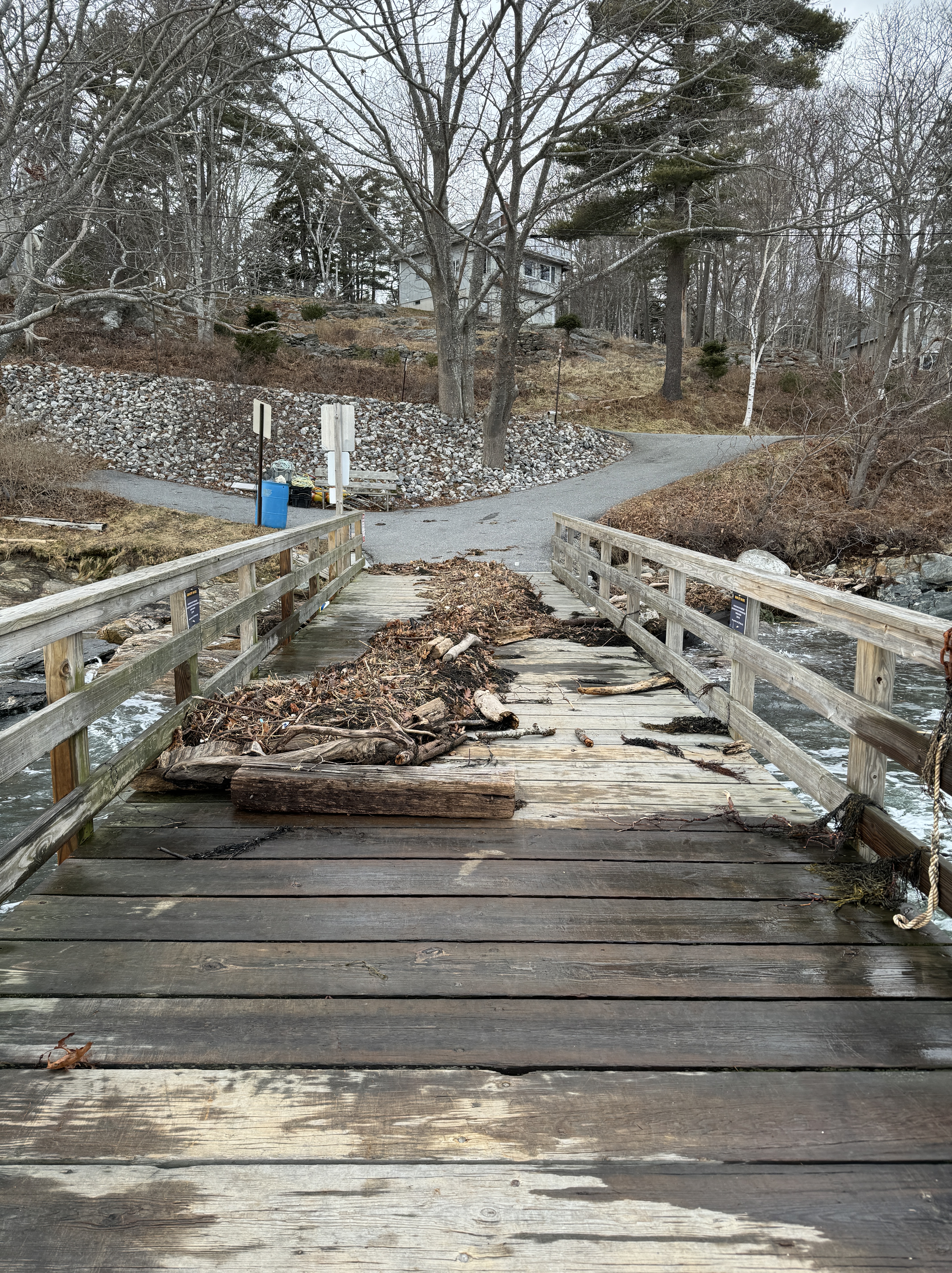
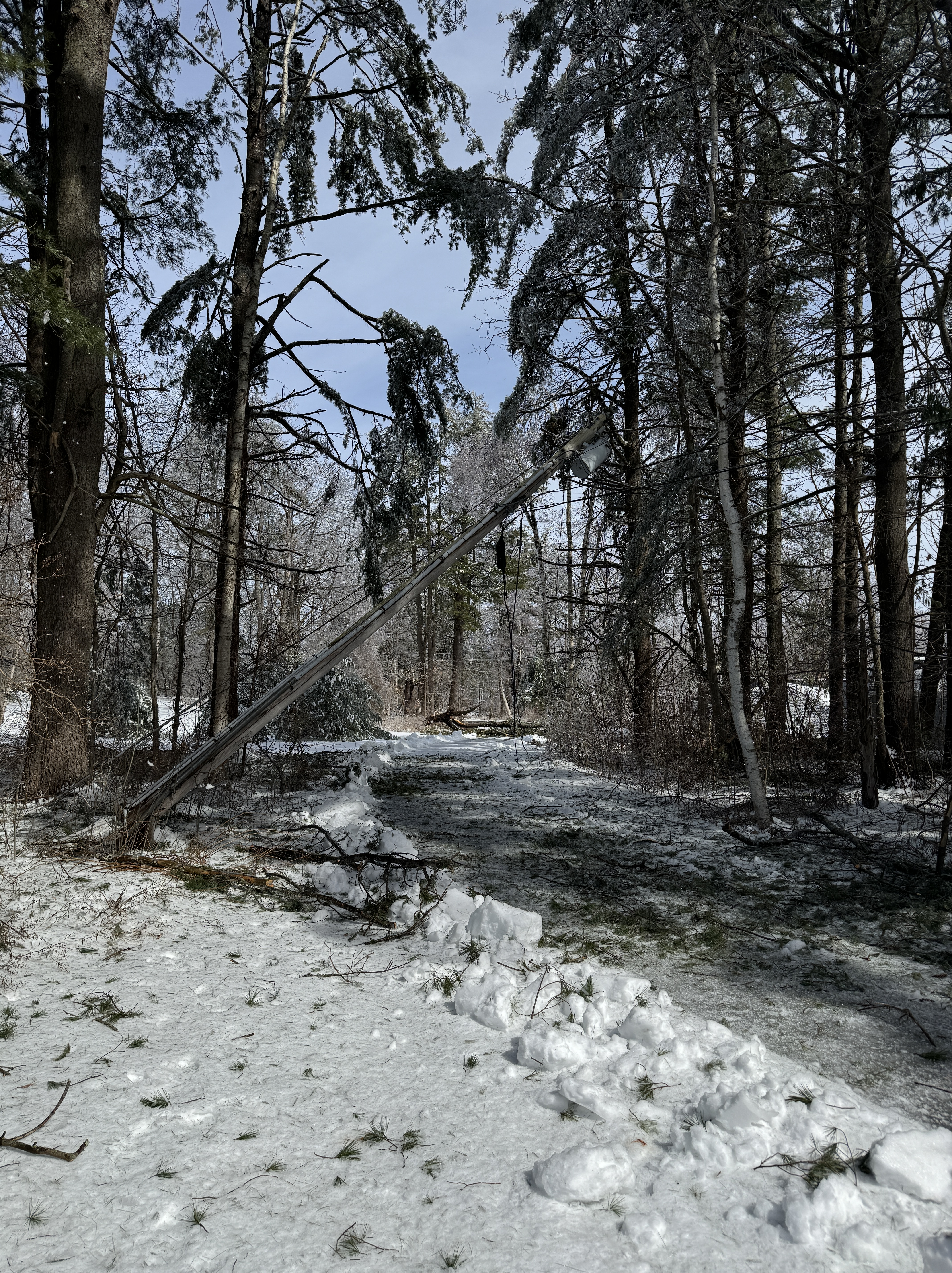
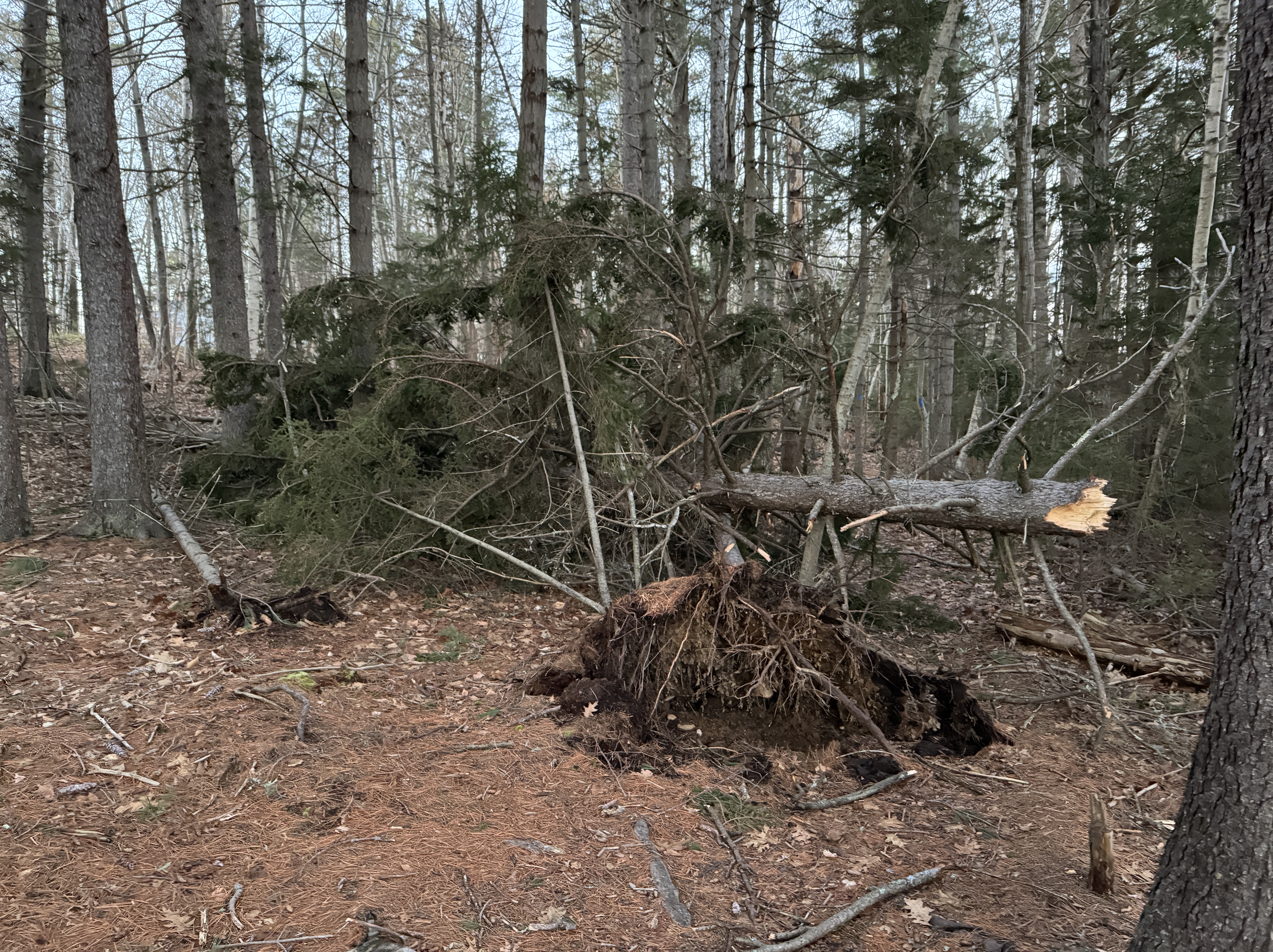
Windstorm ripped across the island and snapped off a huge tree like it was a toothpick, dropping it on to the secret beach.
July 26
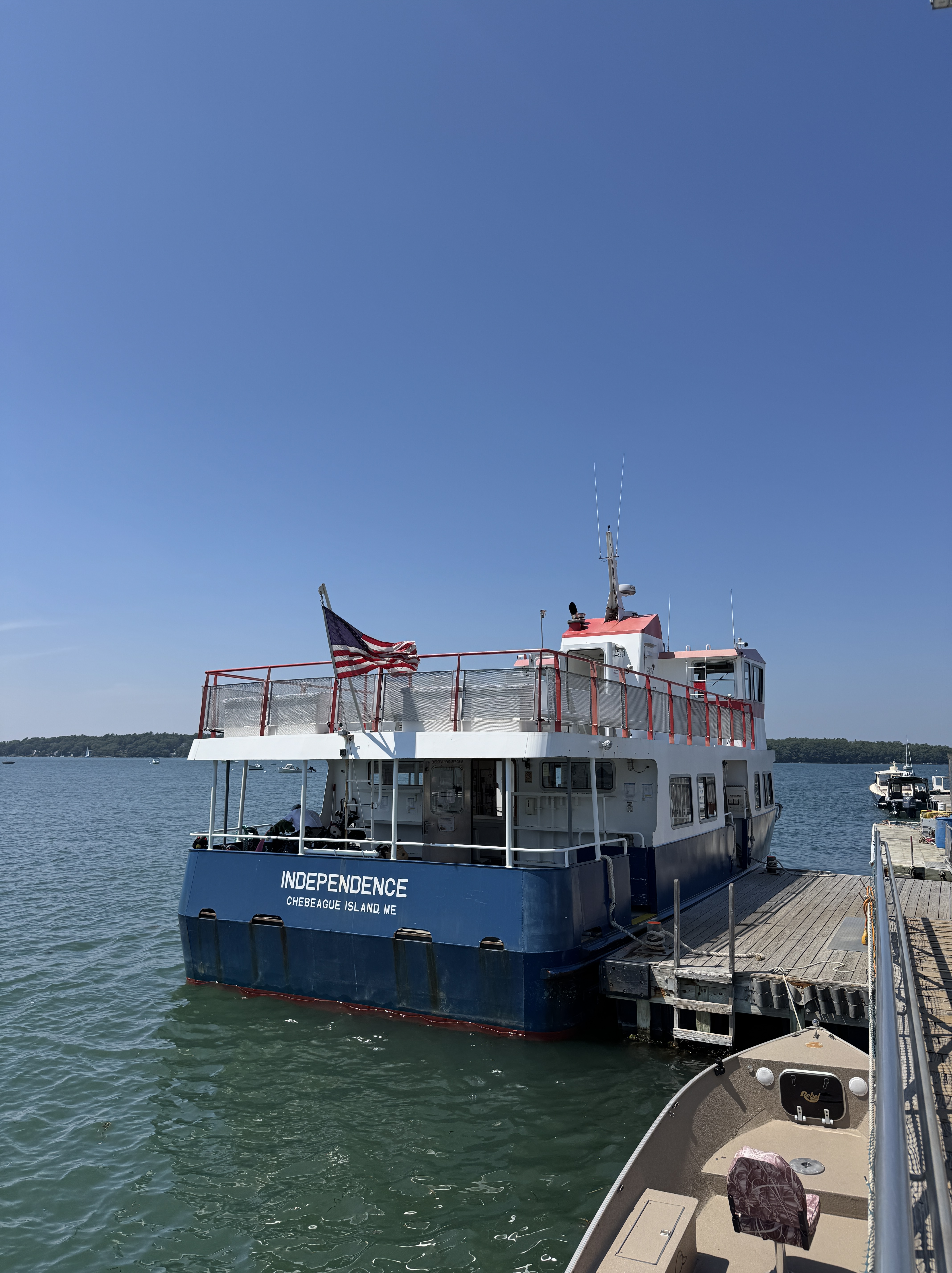
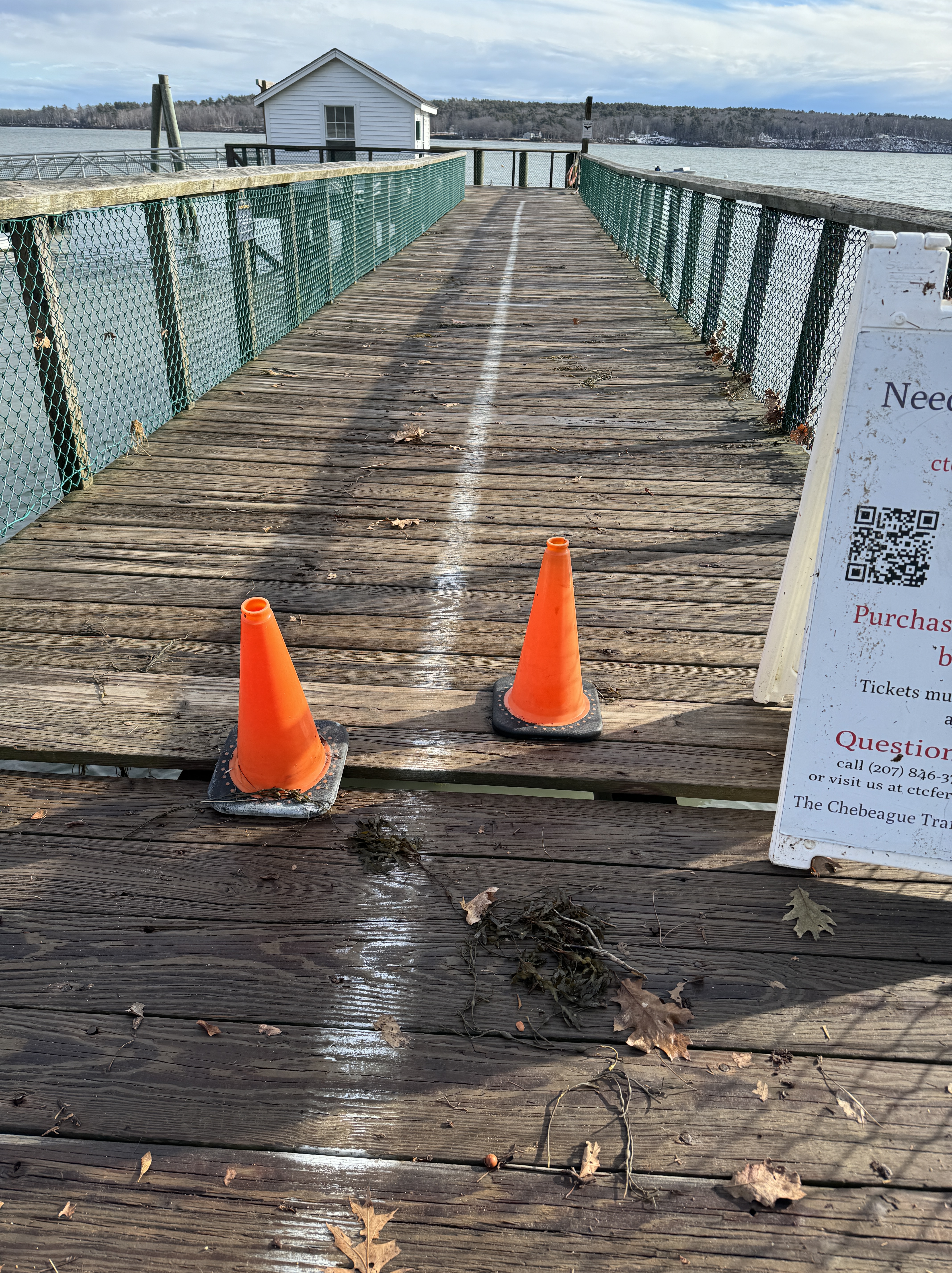
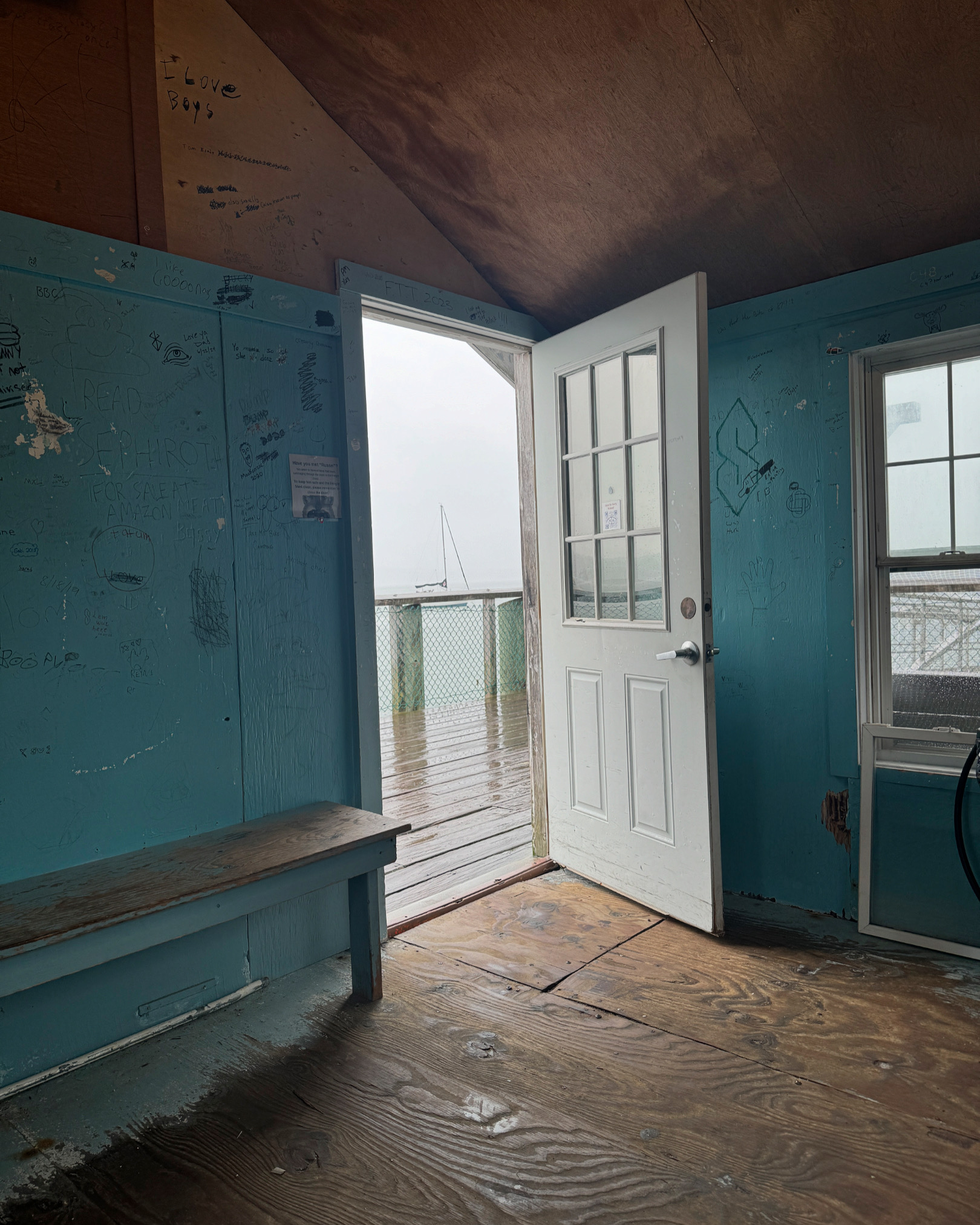
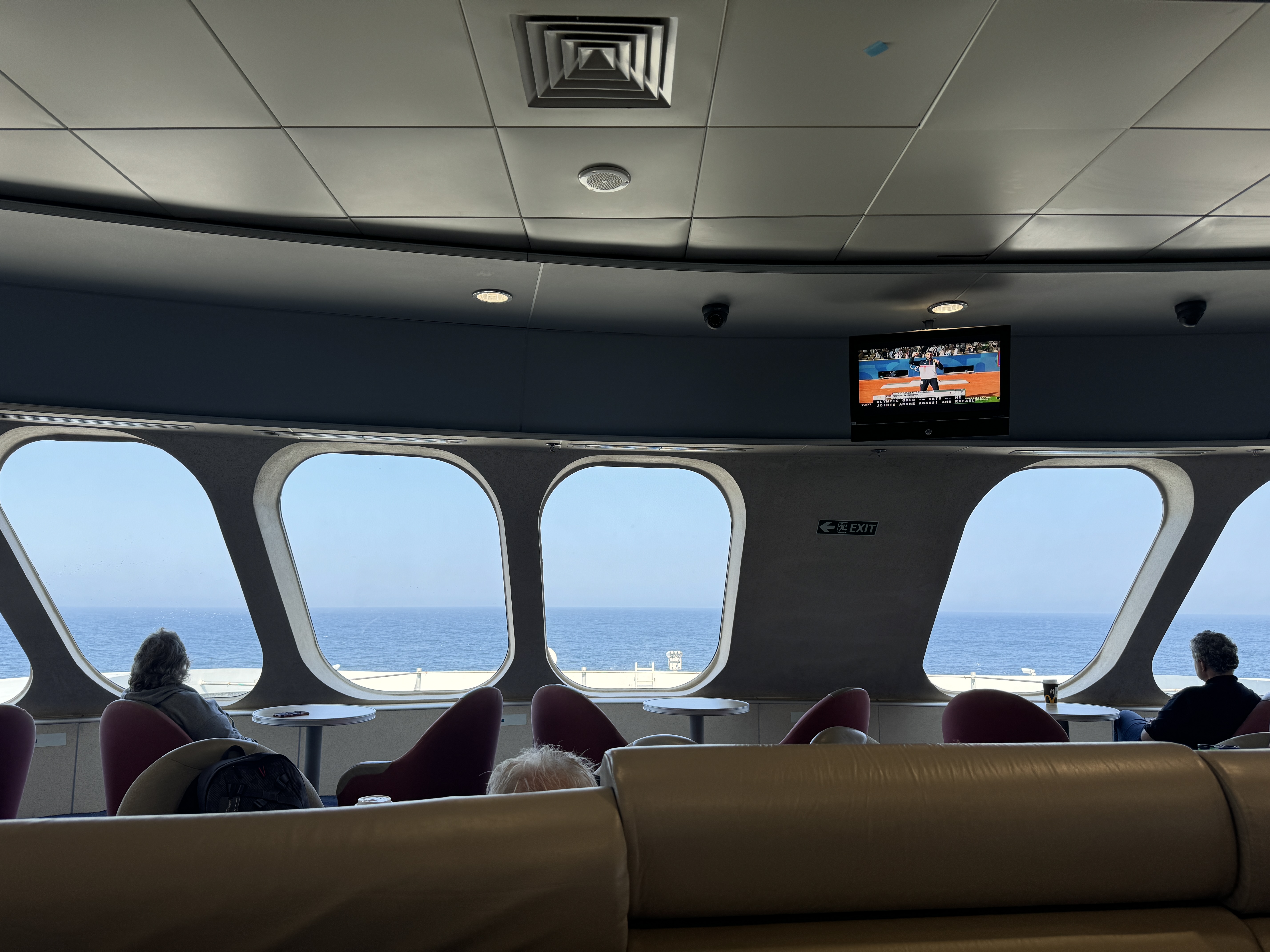
Took the ferry over to Chebeague Island, which is a quick ride but feels like a totally different world.
August 5
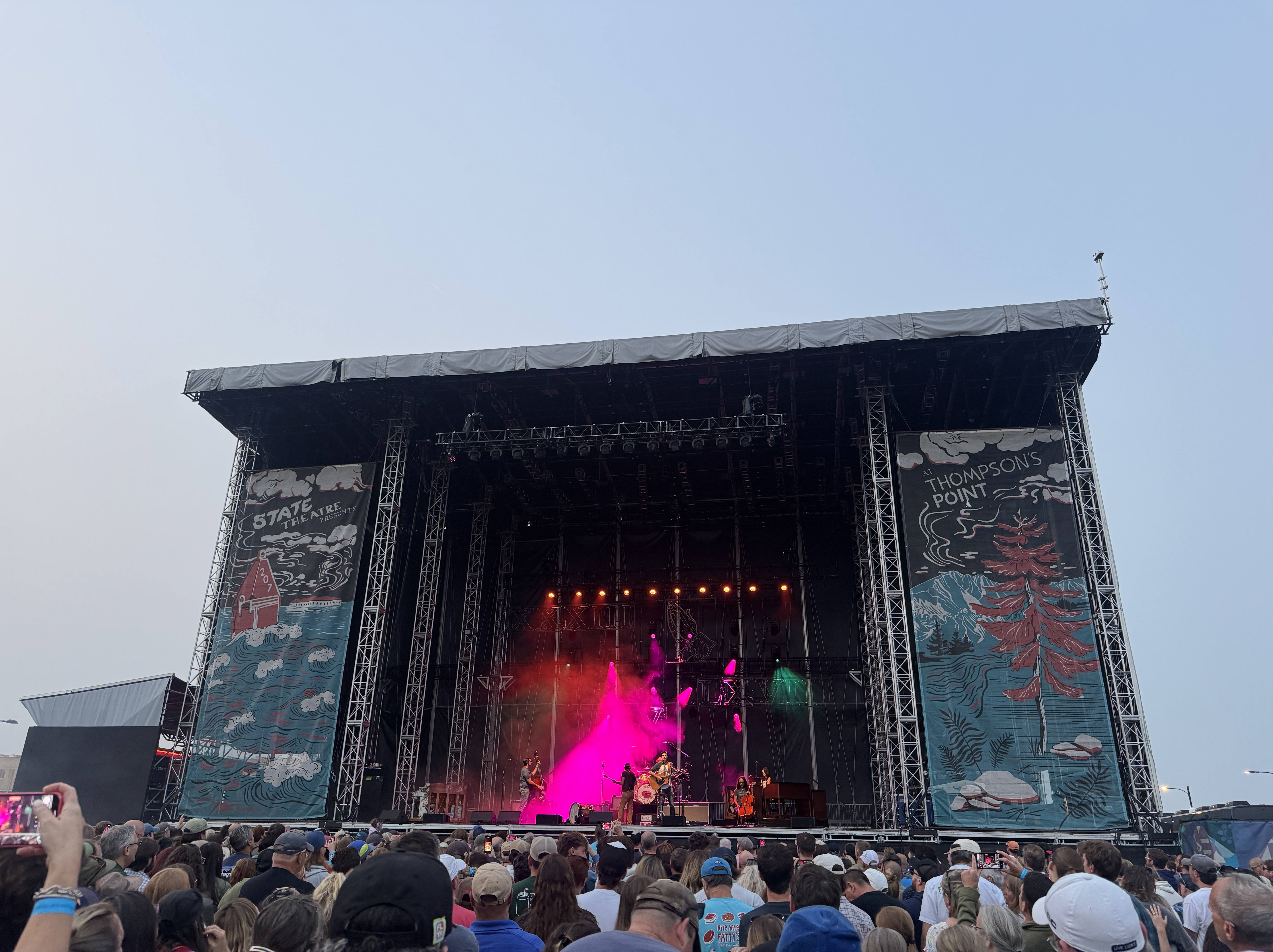
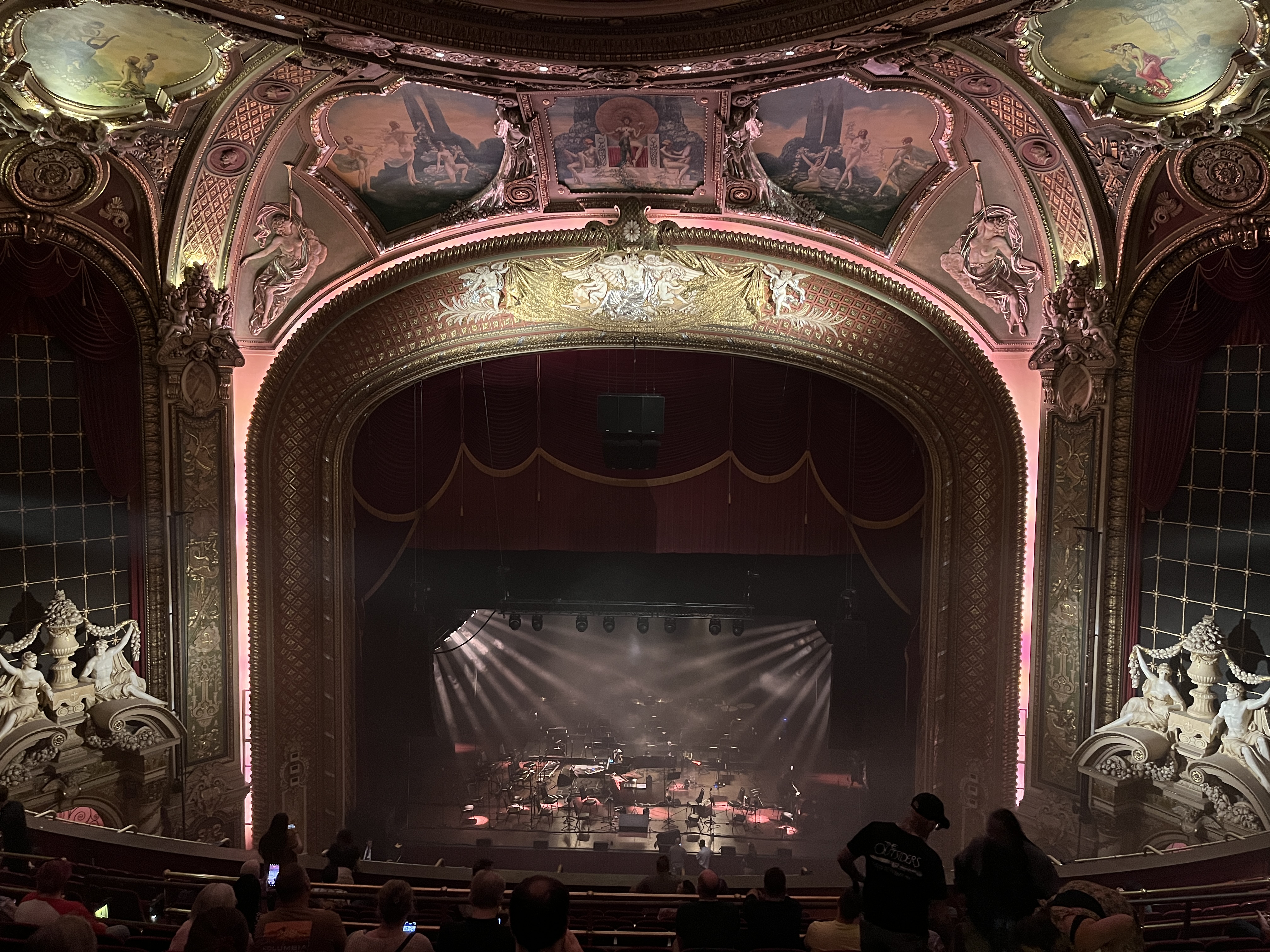
Took in our first family concert down in Portland, the Avett Brothers.
August 23
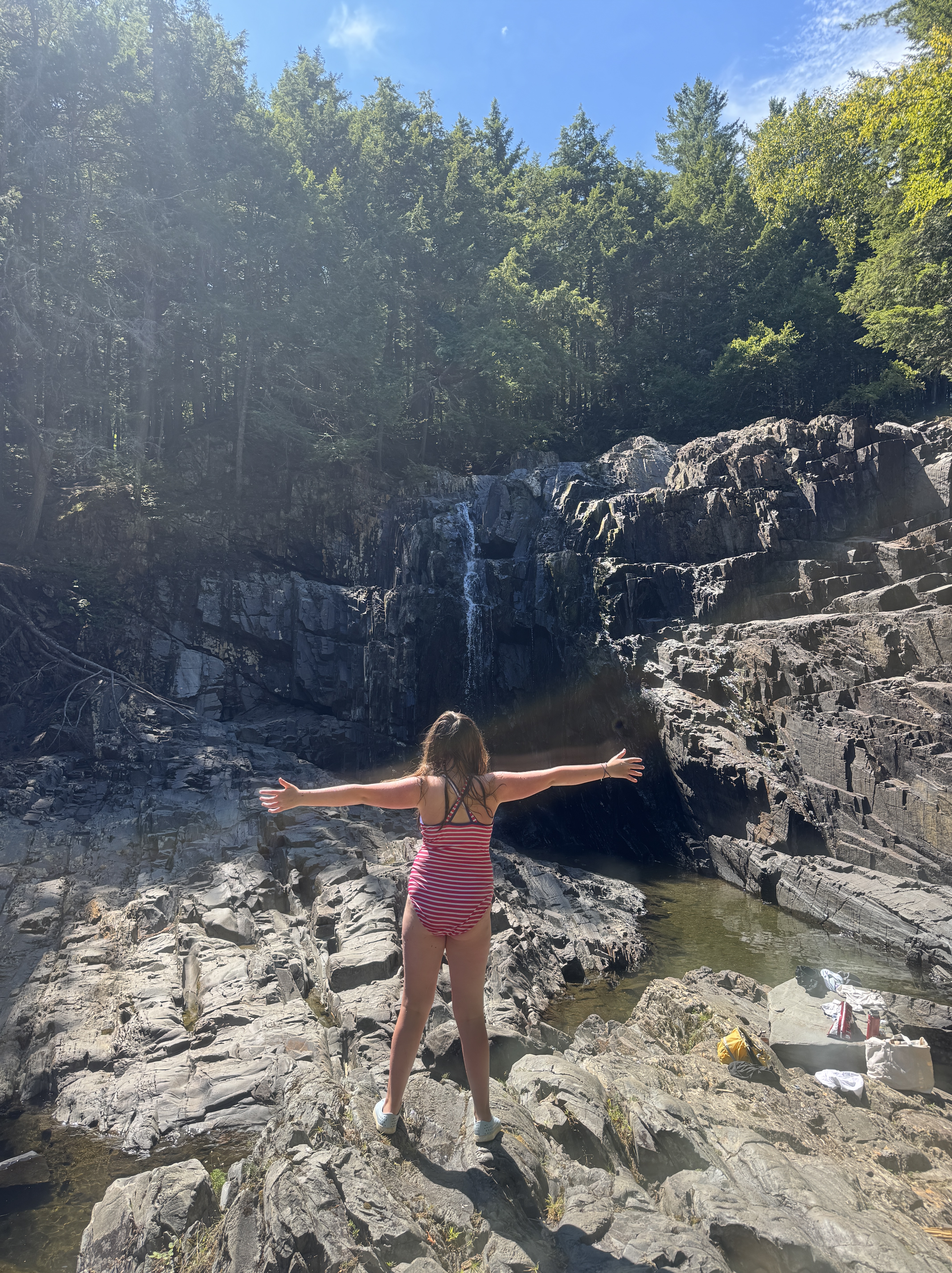
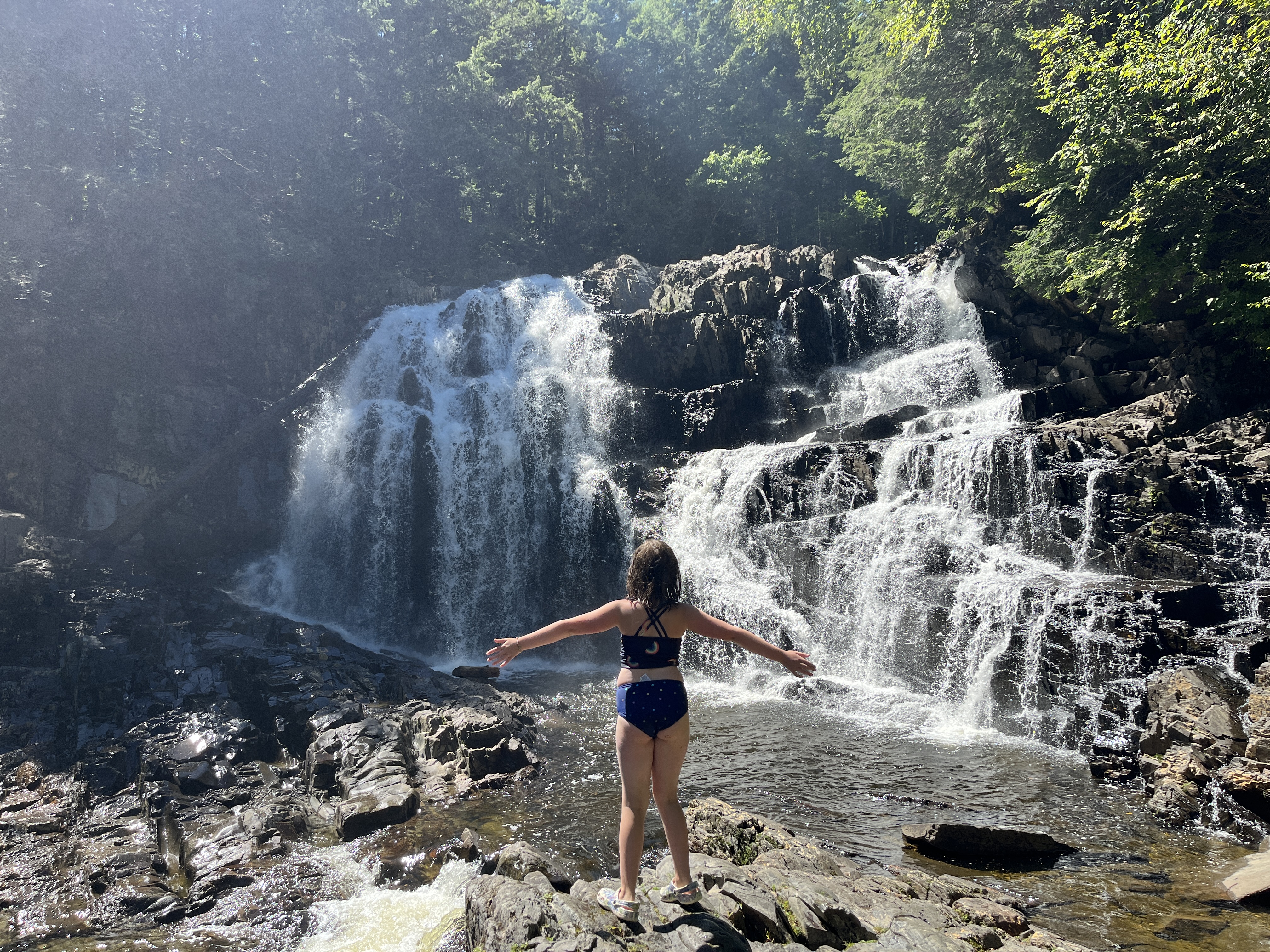
Annual pilgrimage to the falls: complete.
August 25
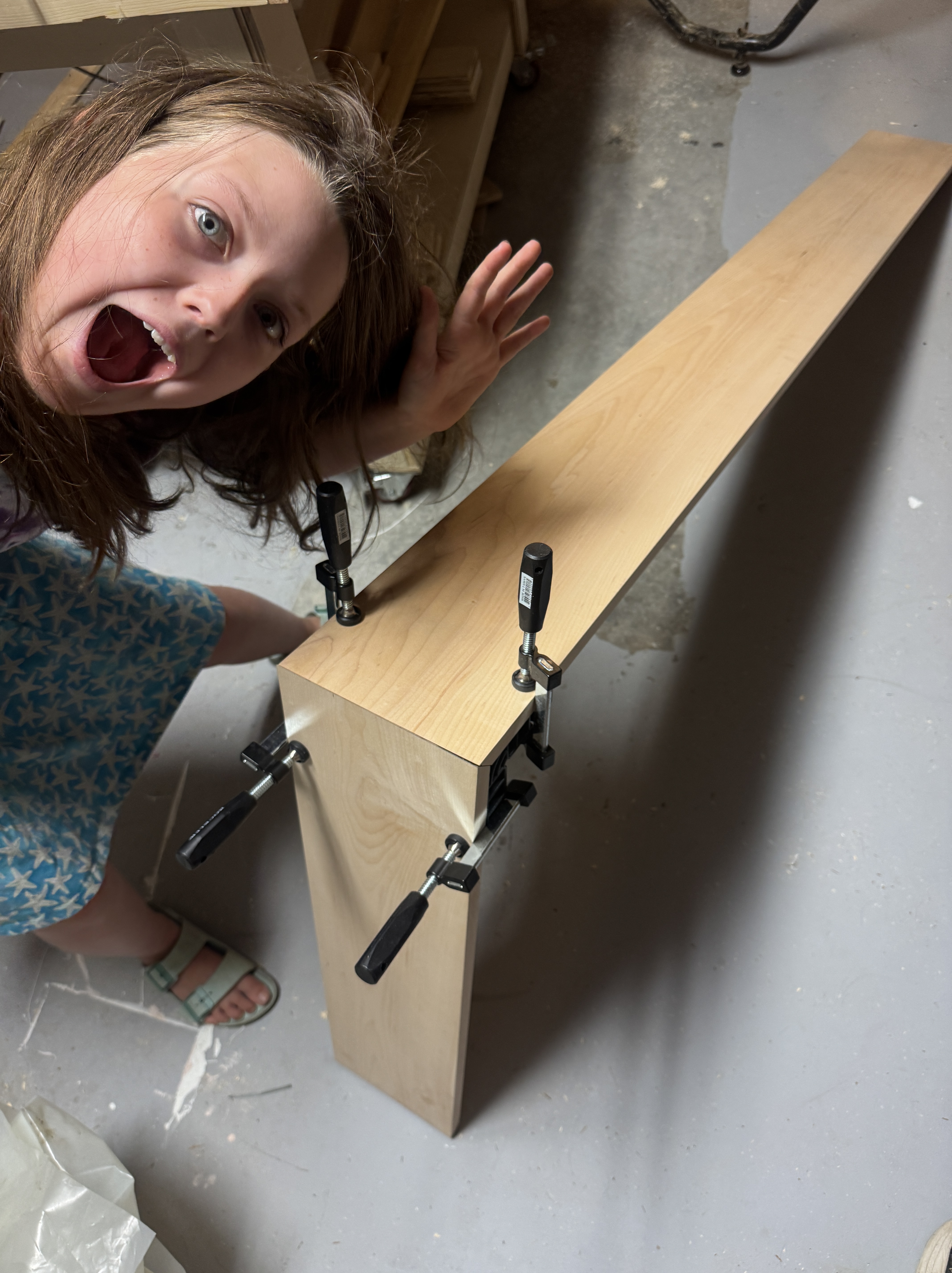
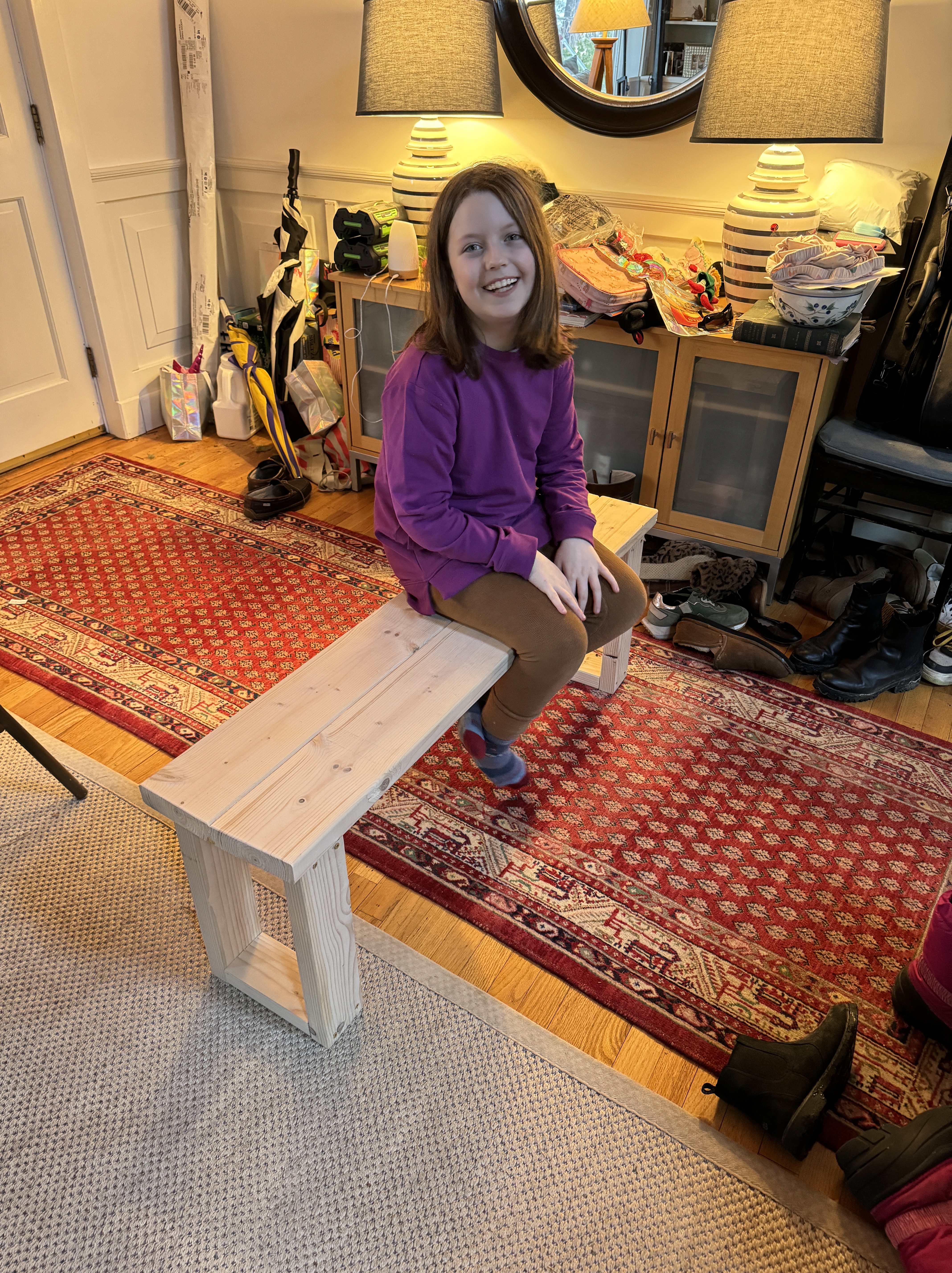
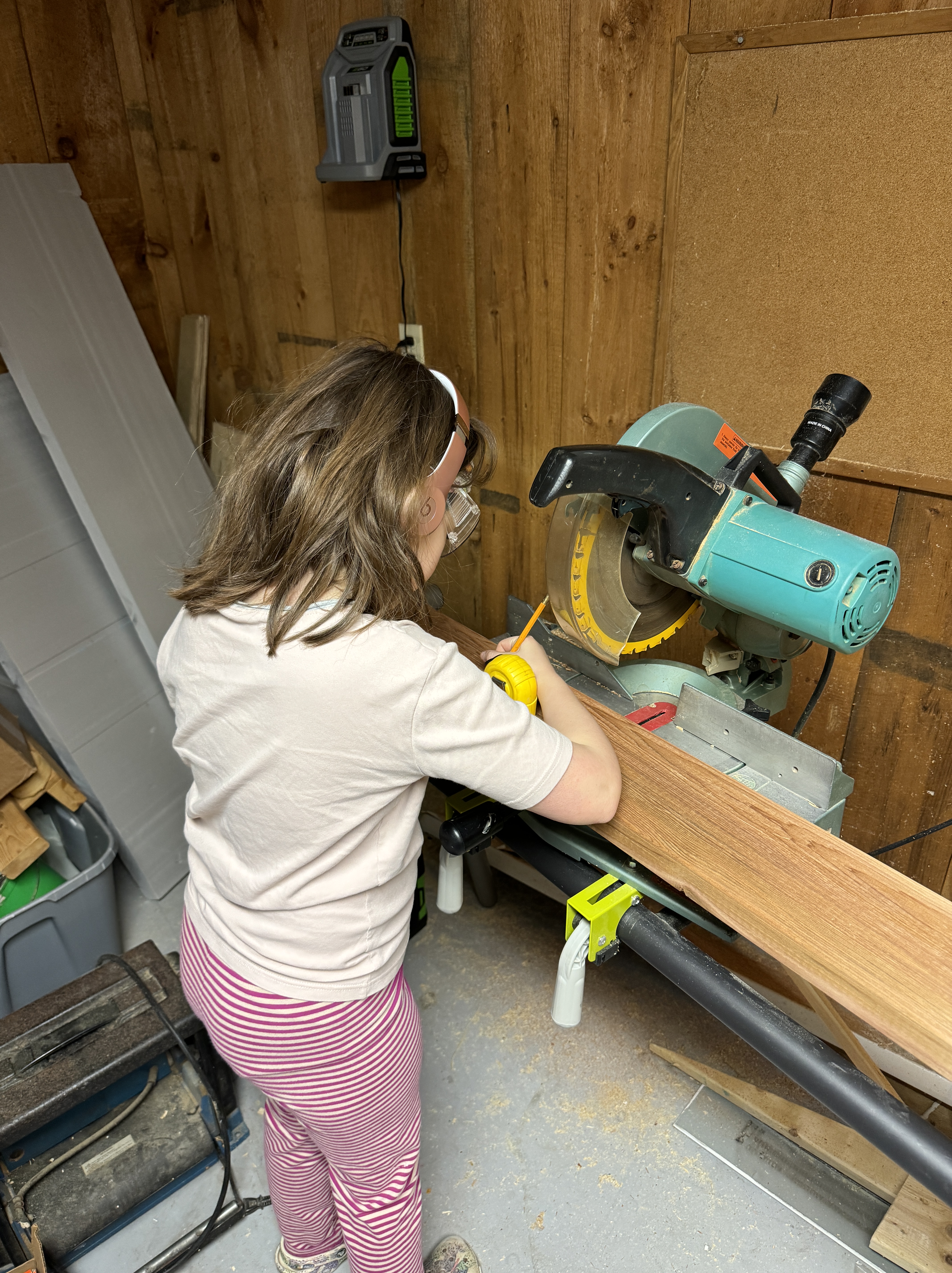
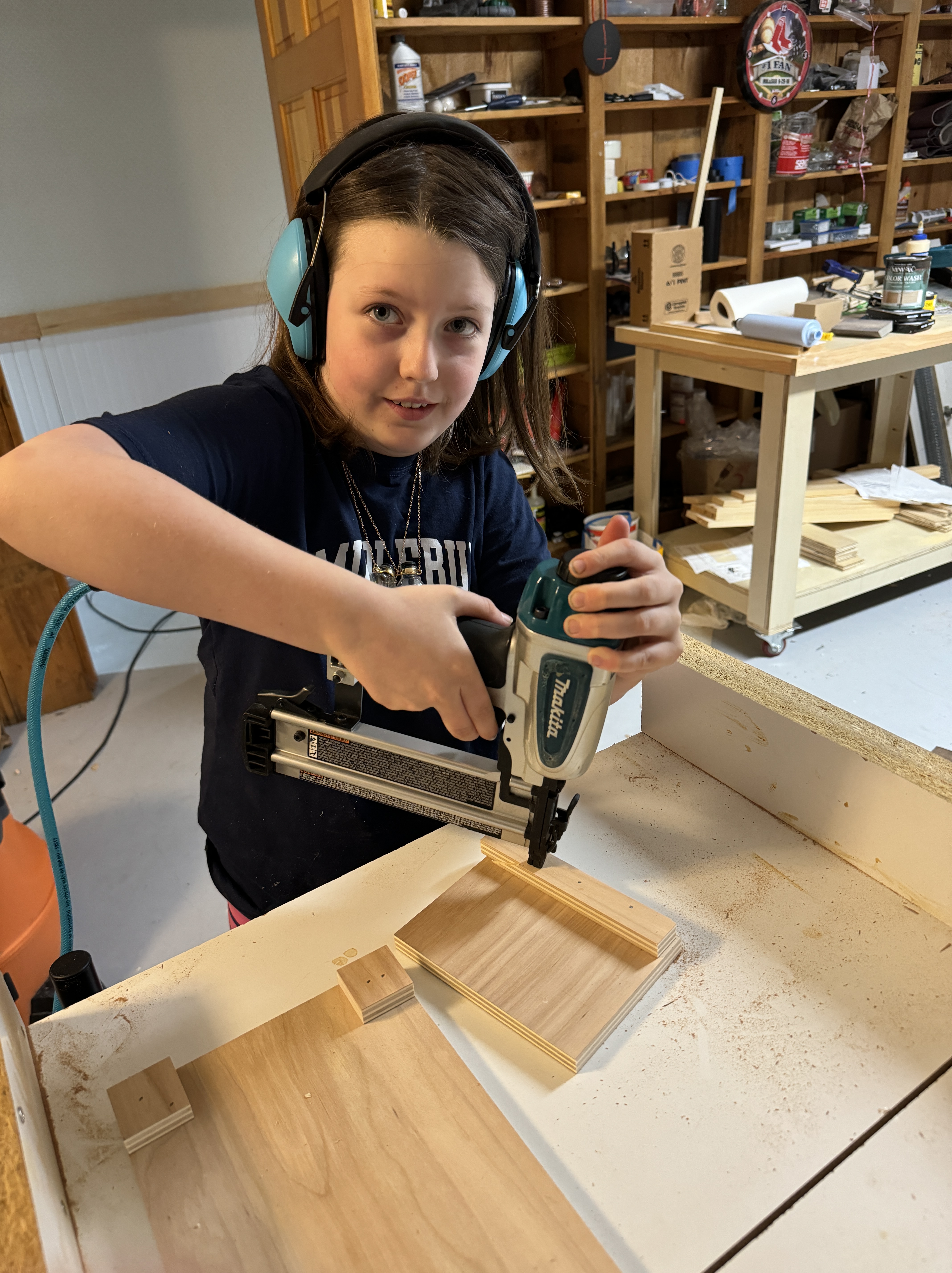
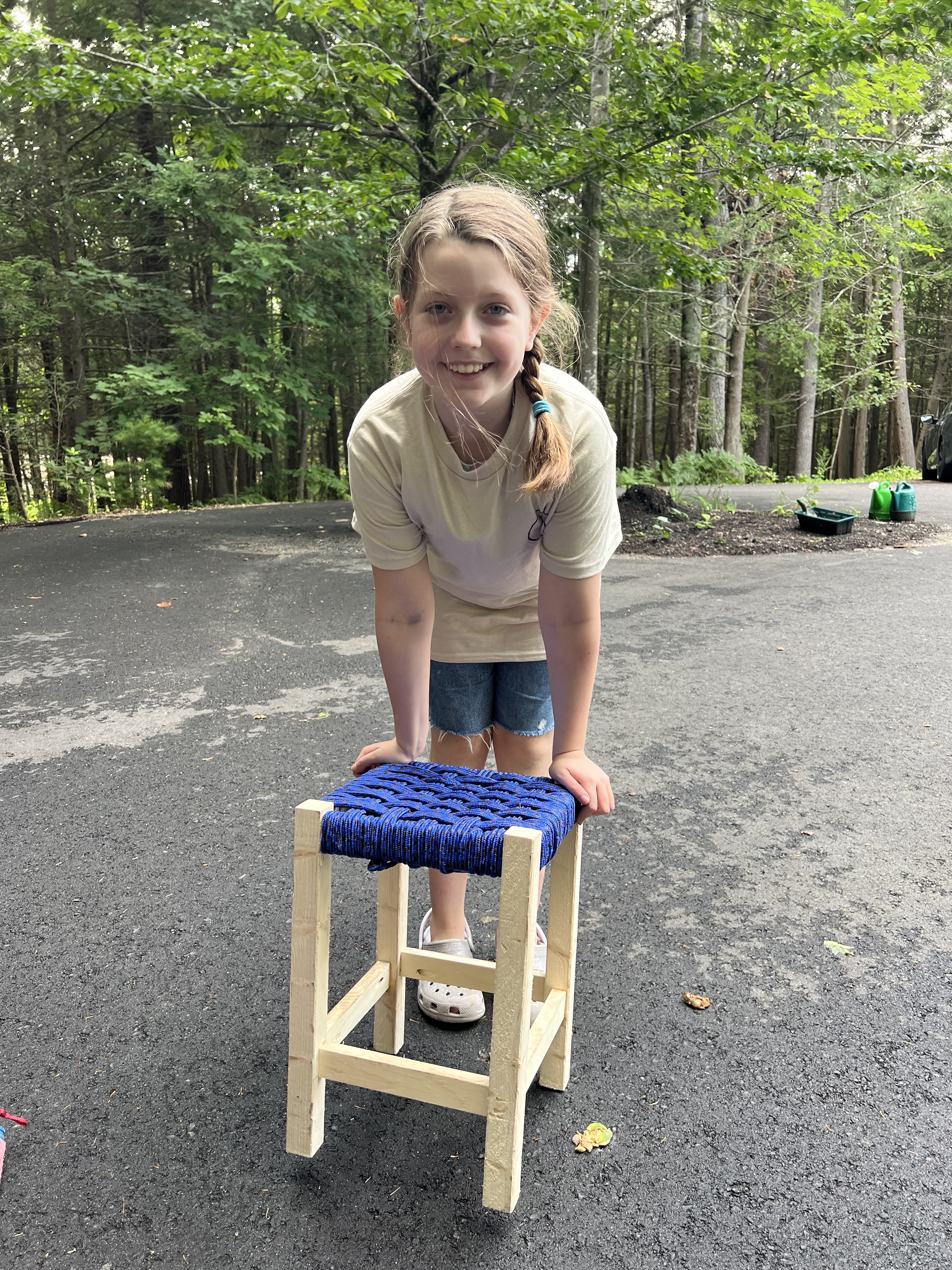
Started a project (which is actually still unfinished, now that I think about it) with my favorite little woodworker.
August 29
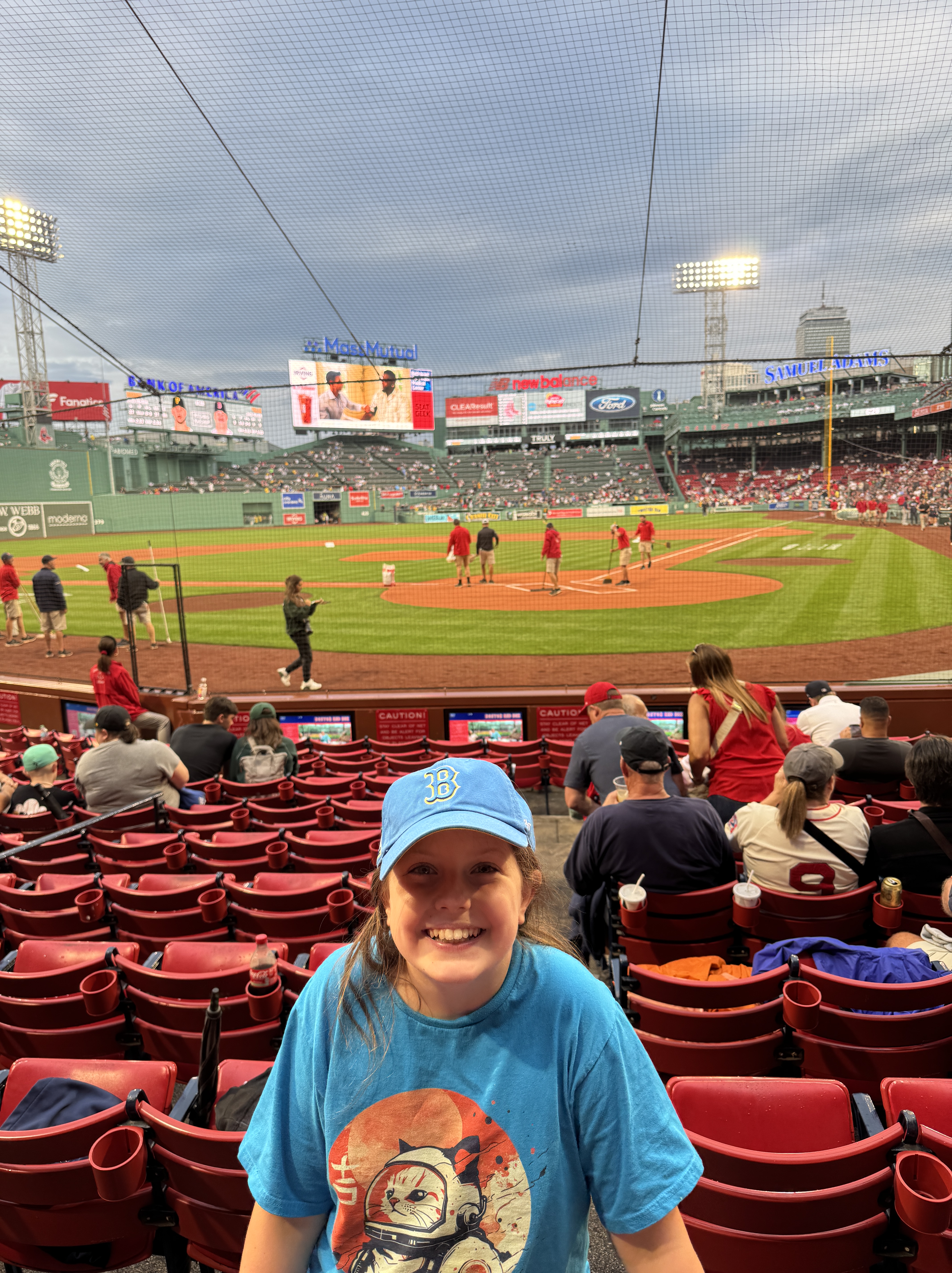
After the season, one of the Red Sox executives was asked what the most electric regular season game of the year was at Fenway. His answer was a summer game against the Pirates. The Pirates started arguably the best pitcher in the big leagues in Paul Skenes. The Red Sox pitcher Payton Tolle, meanwhile, was making his major league debut. Not only were Eleanor and I at this game, we had the best seats I have ever had at Fenway after four decades of going there thanks to our friend Kim. Eleanor even got to see her favorite player, Roman Anthony, take Skenes out to right field.
And that is why when Kim and I had lunch last month and she offered to pay, I informed her that she was never buying lunch again.
September 3
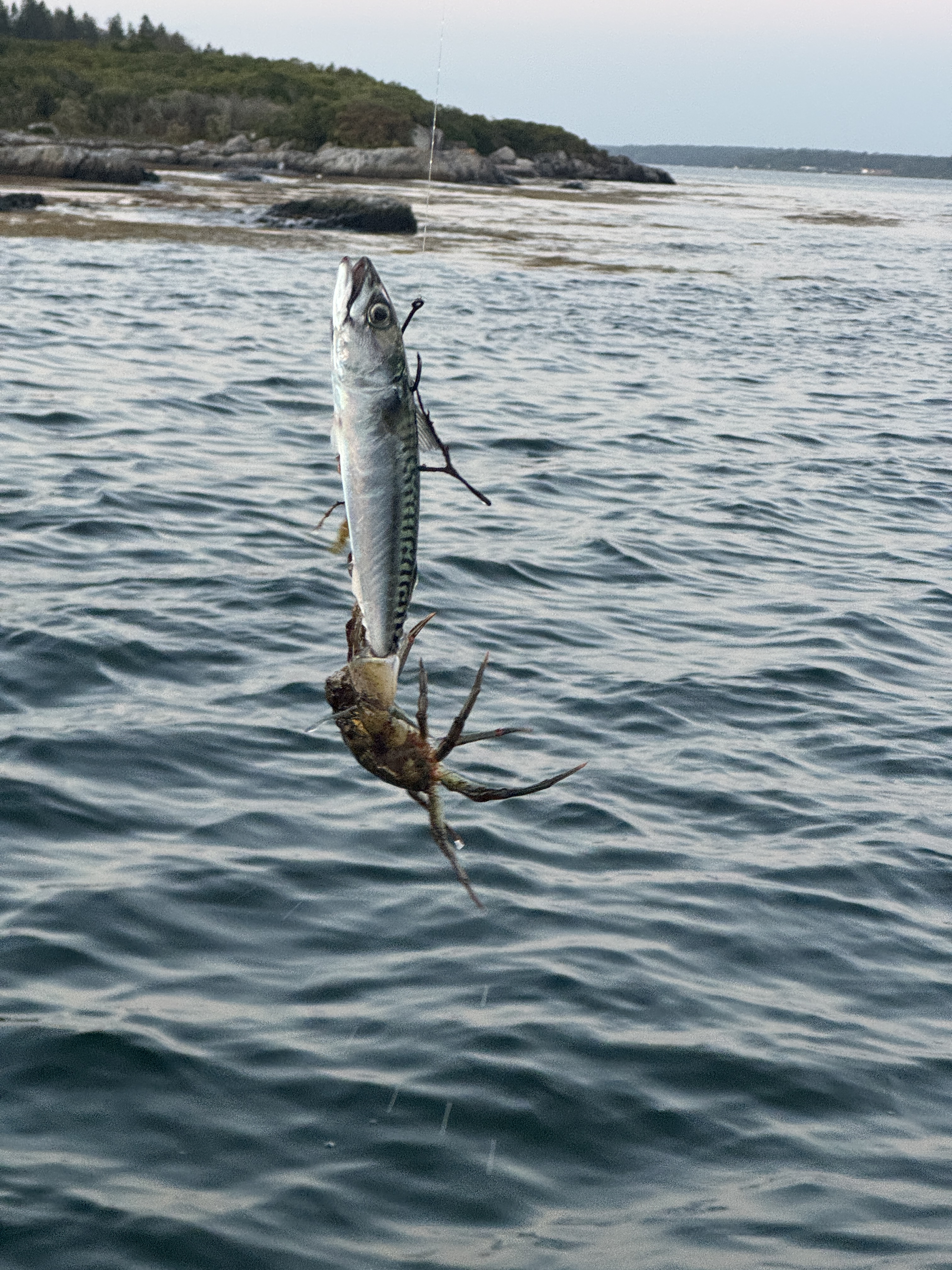
One of our neighbors from down the street was kind enough to take me out striper fishing. Unfortunately, the only thing I caught was this crab.
September 13
Went up to the AMC lodge at Little Lyford with a couple of Eleanor’s besties and their families. Beautiful spot.
October 2
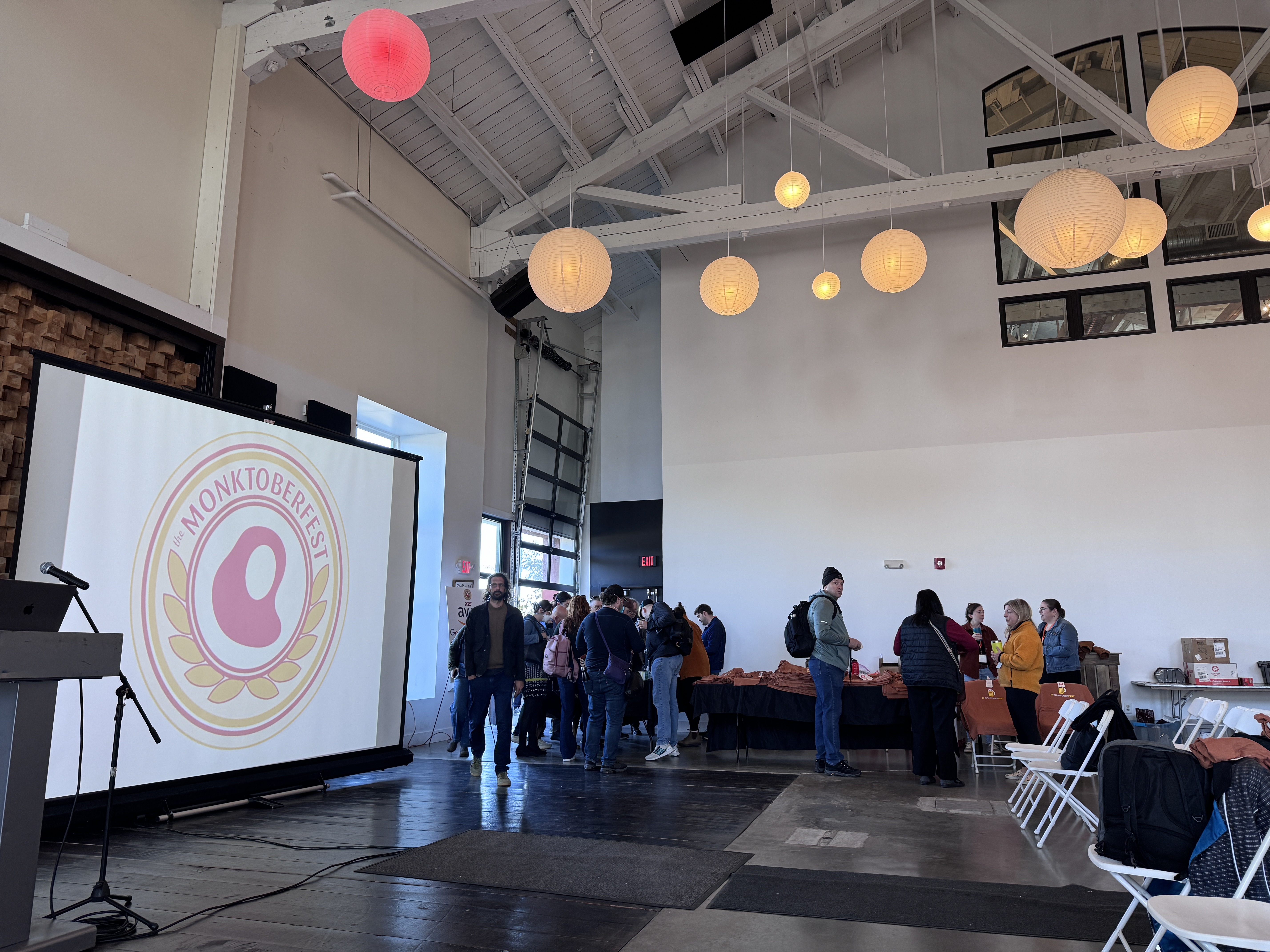
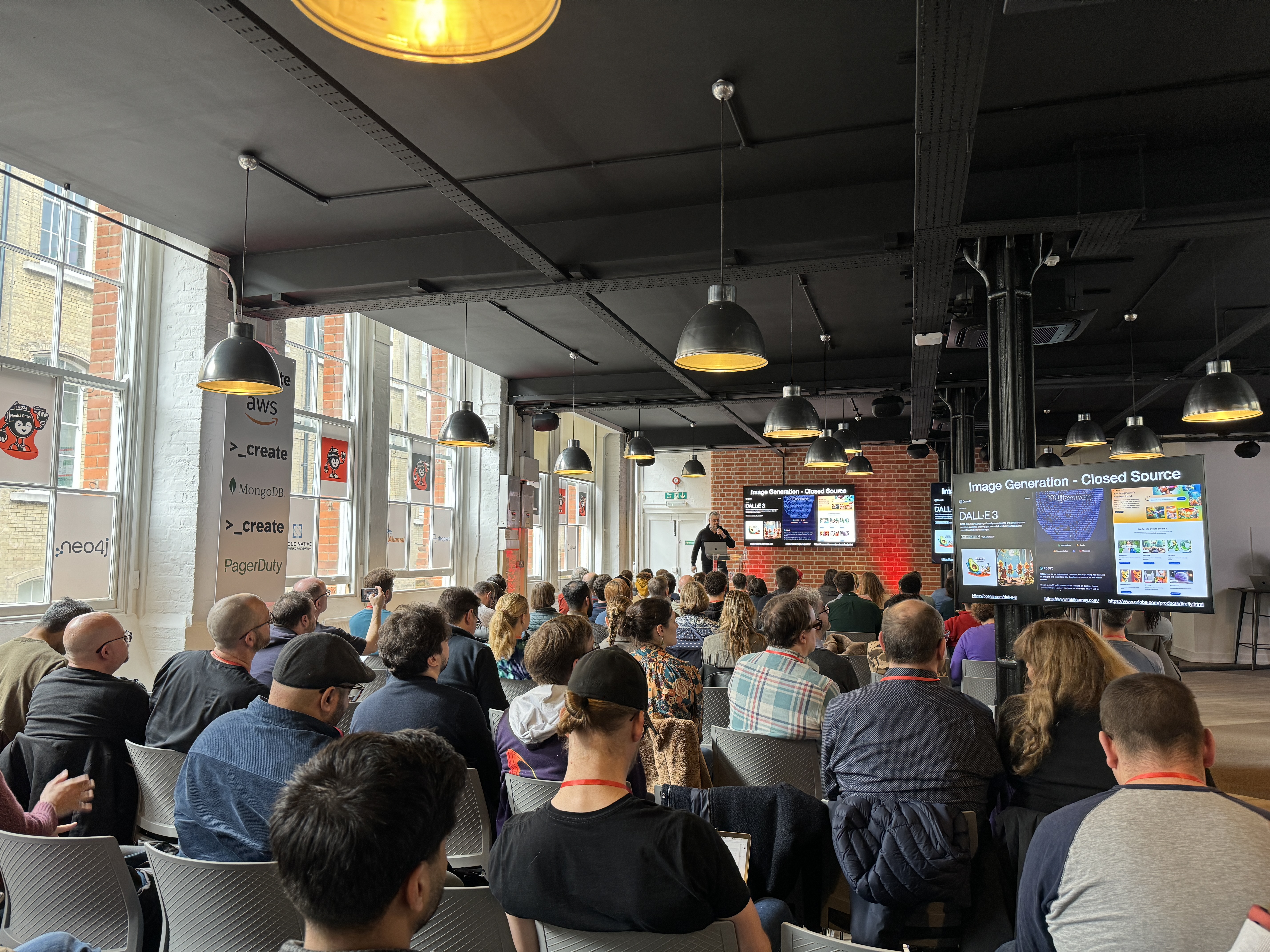
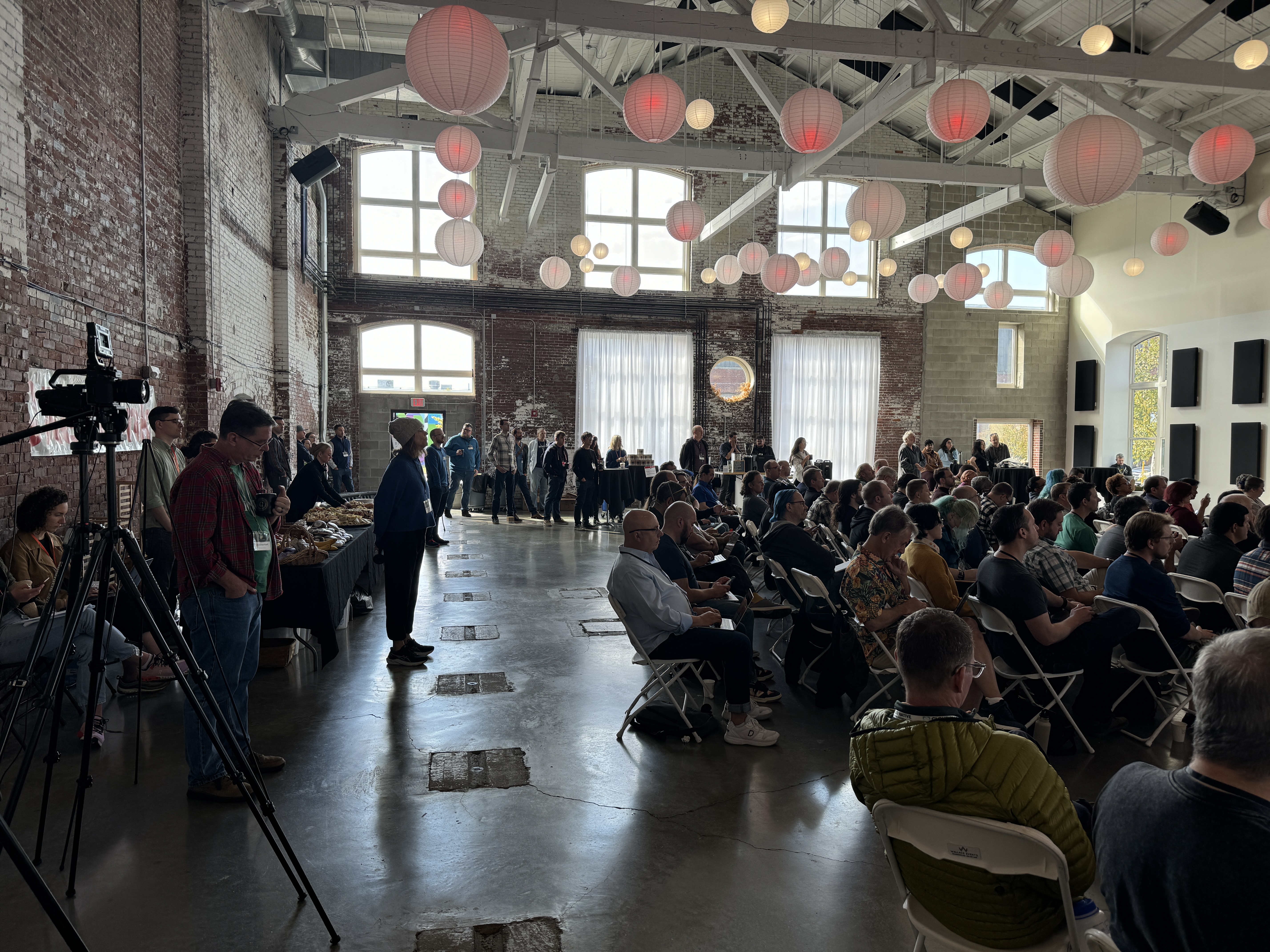
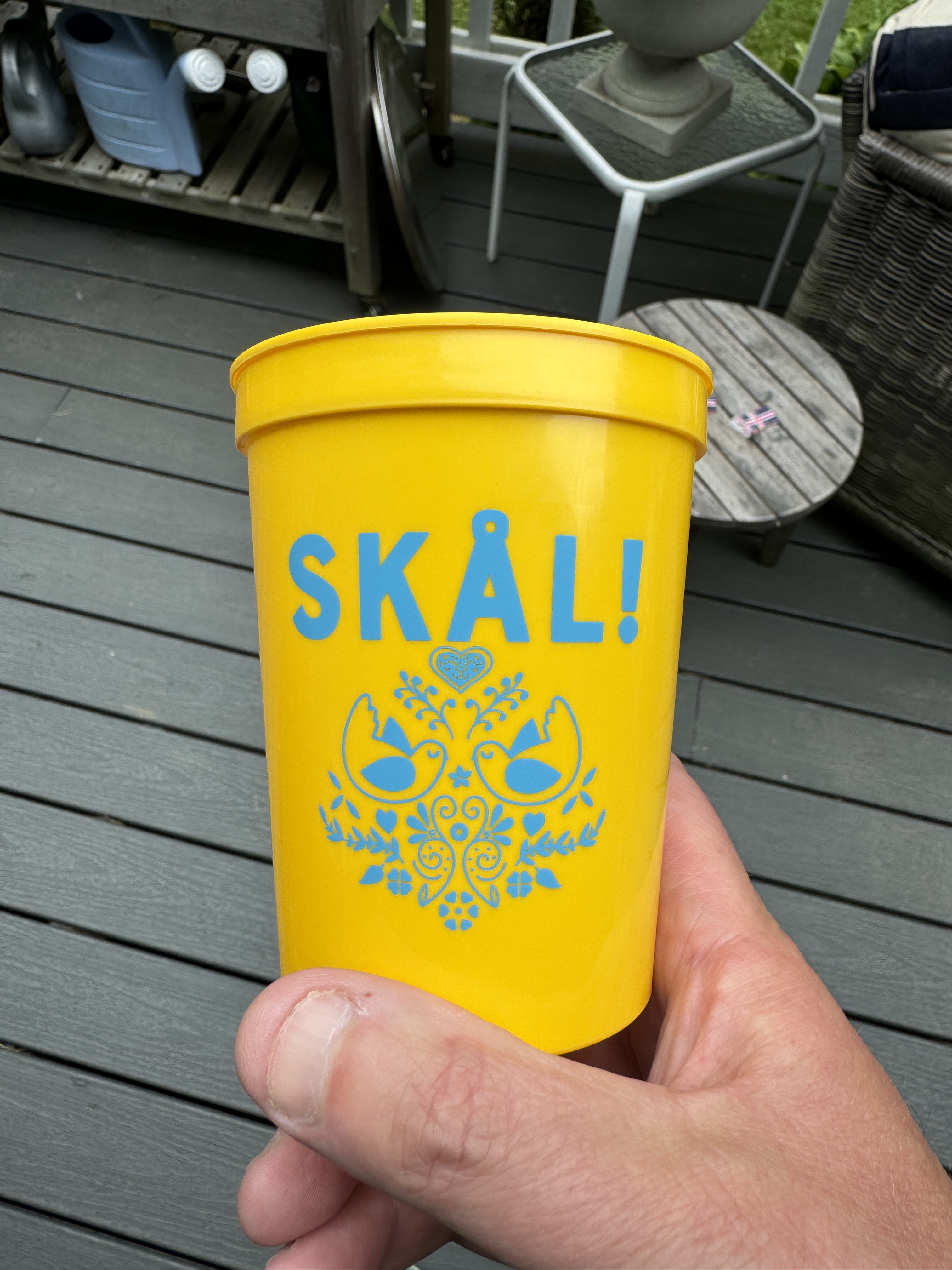
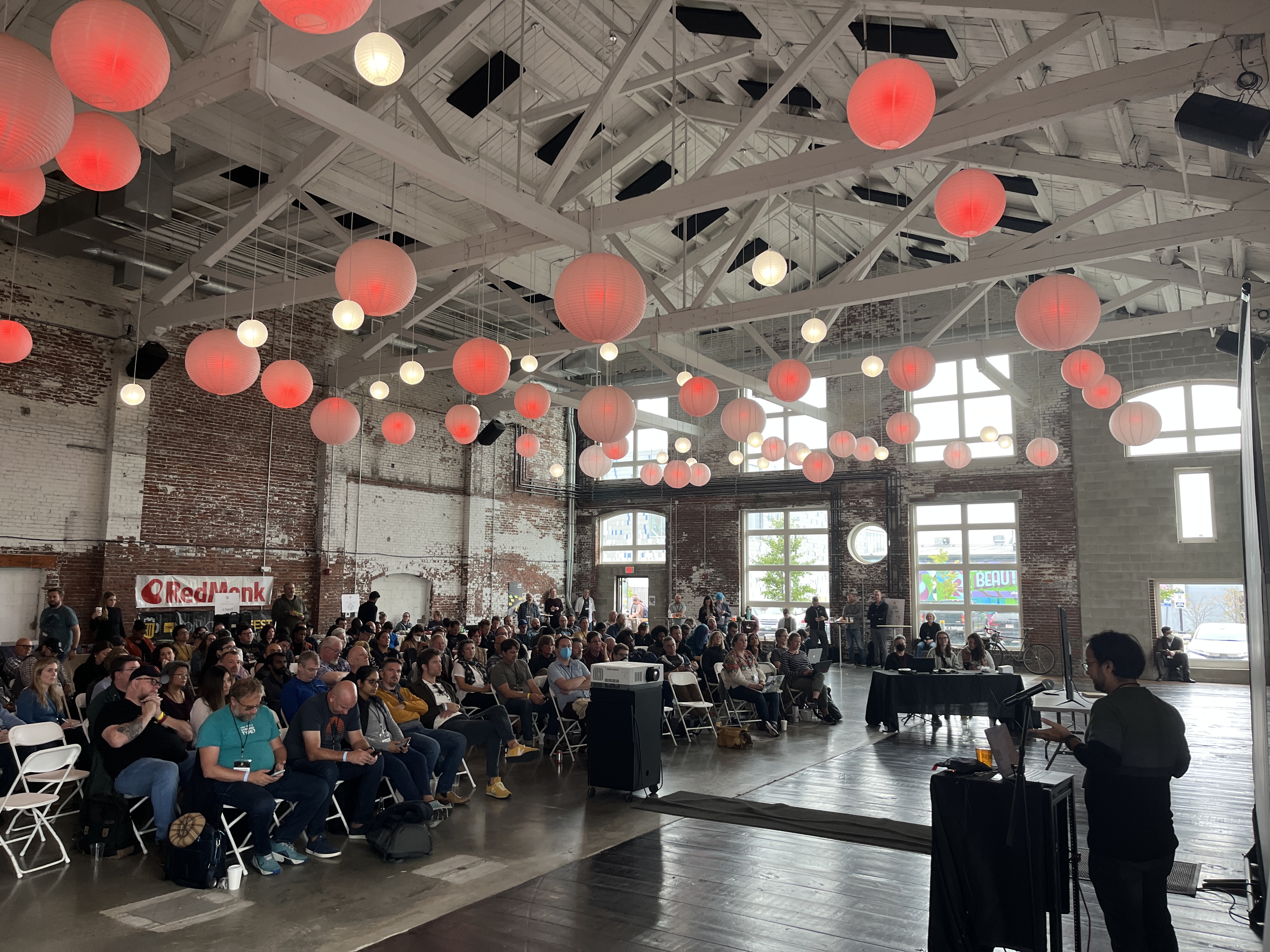
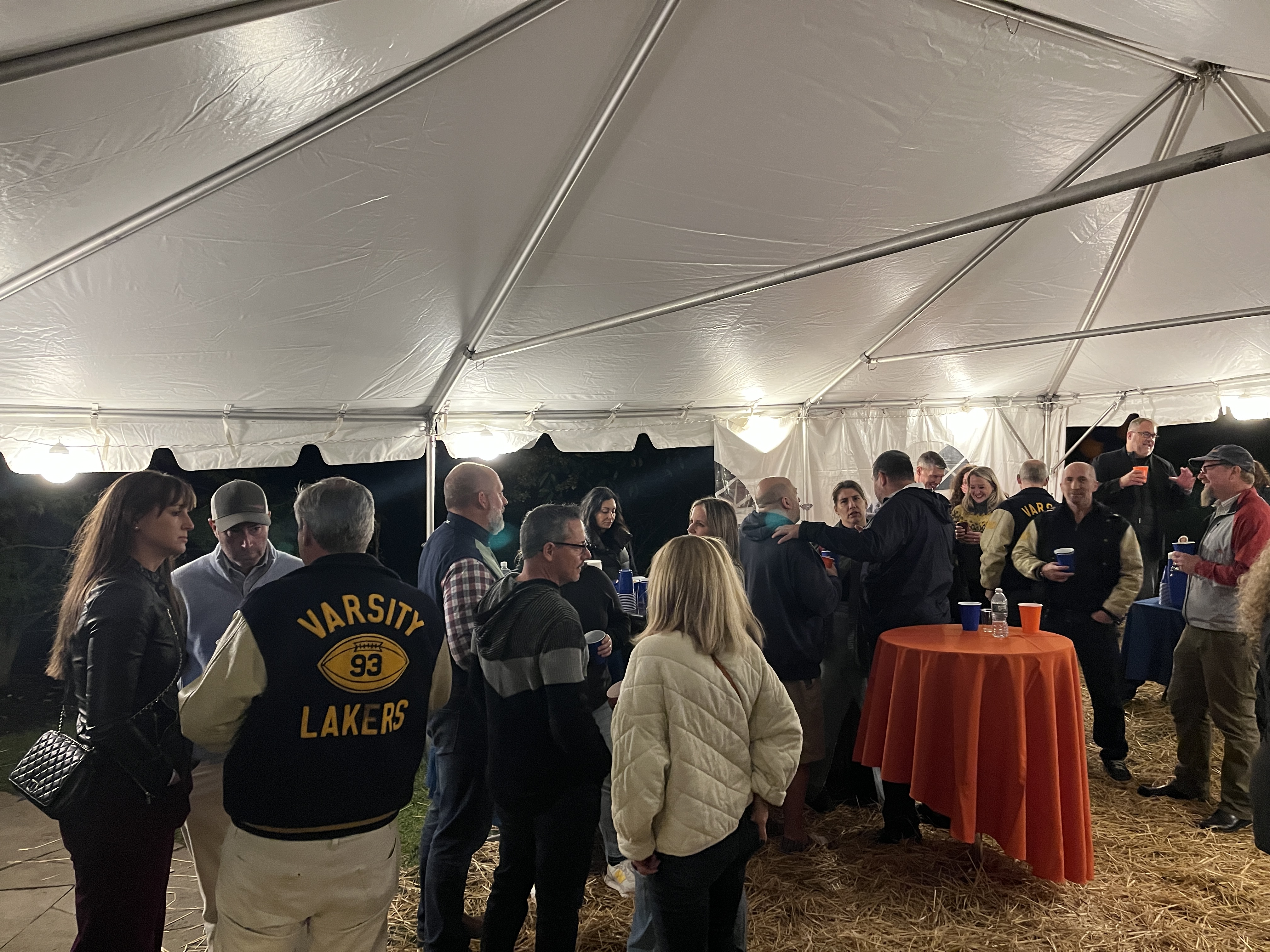
Survived another Monktoberfest. Mostly in one piece.
October 8
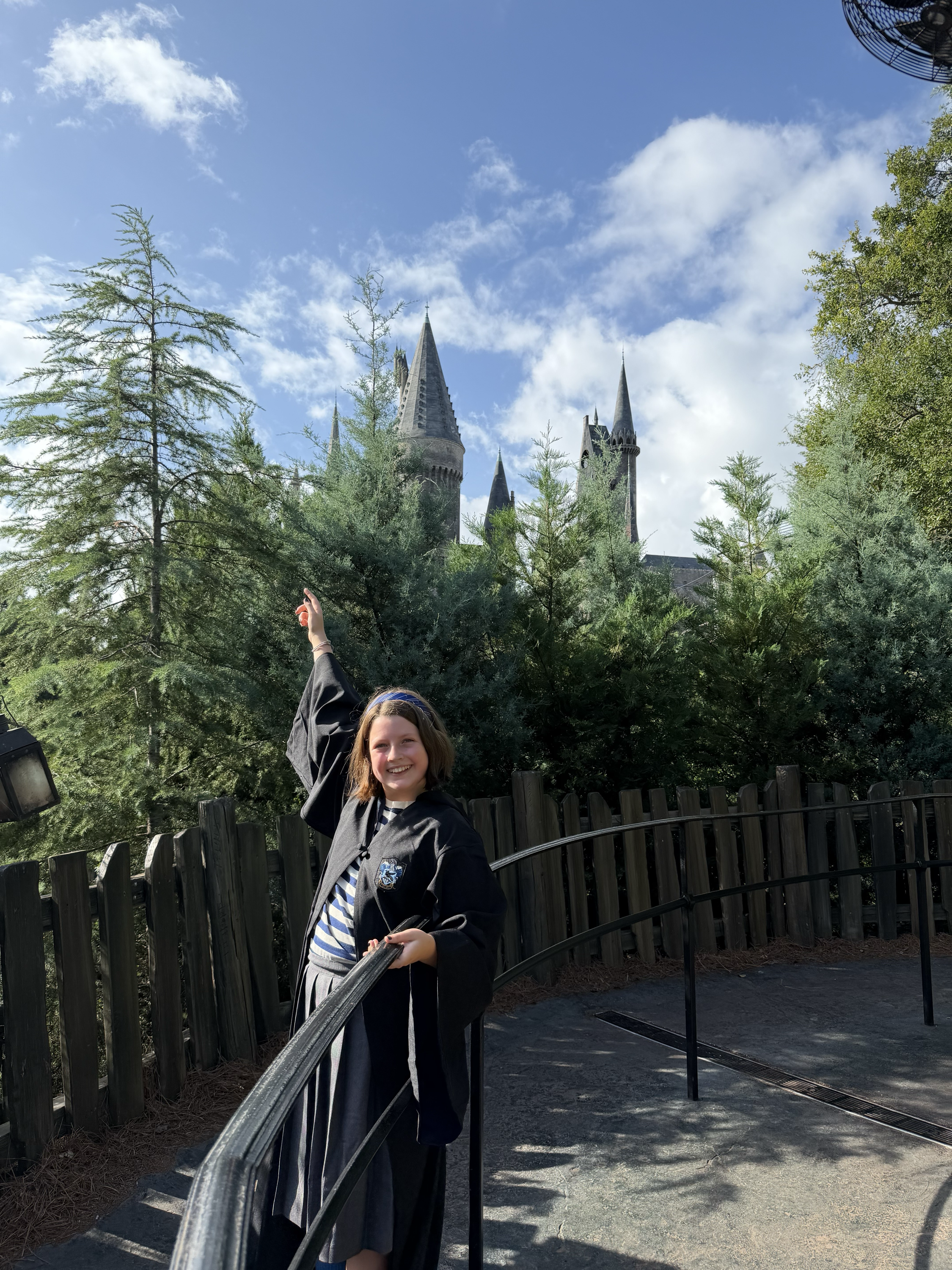
While I was running from meeting to meeting at a conference in Orlando, the girls got to tour Harry Potter World.
October 11
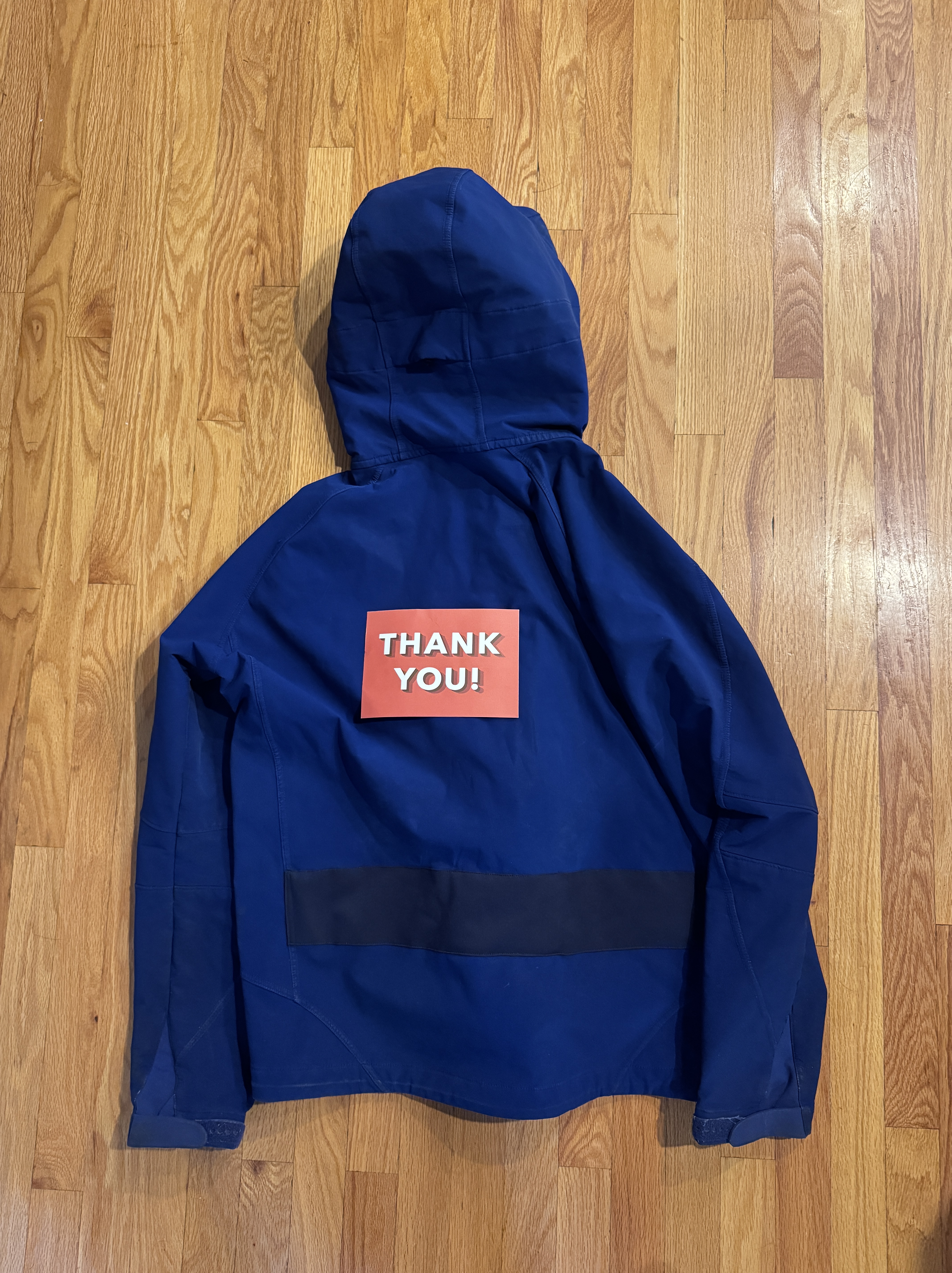
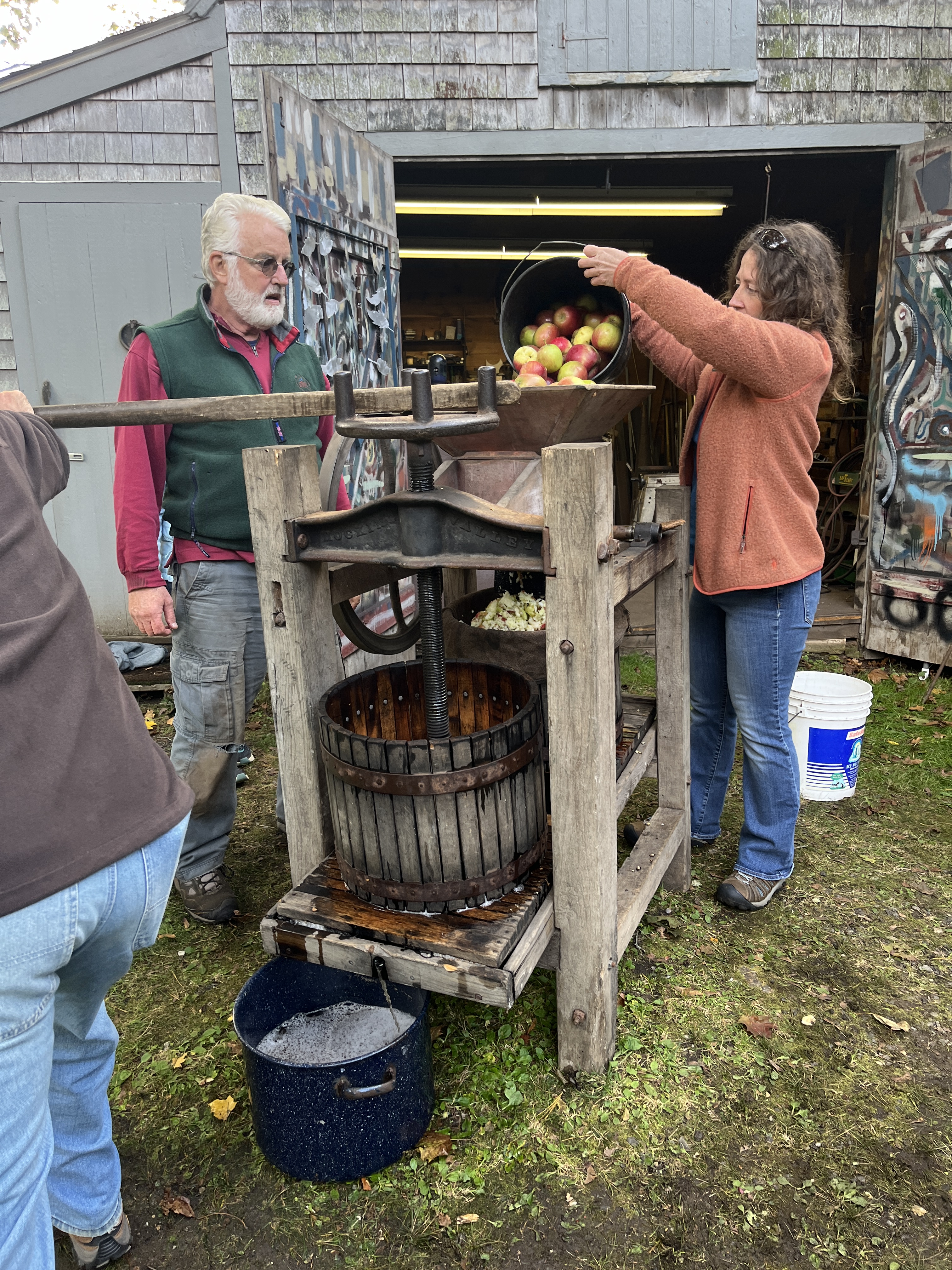
Another year, another free Patagonia repair of my ancient soft shell.
October 18
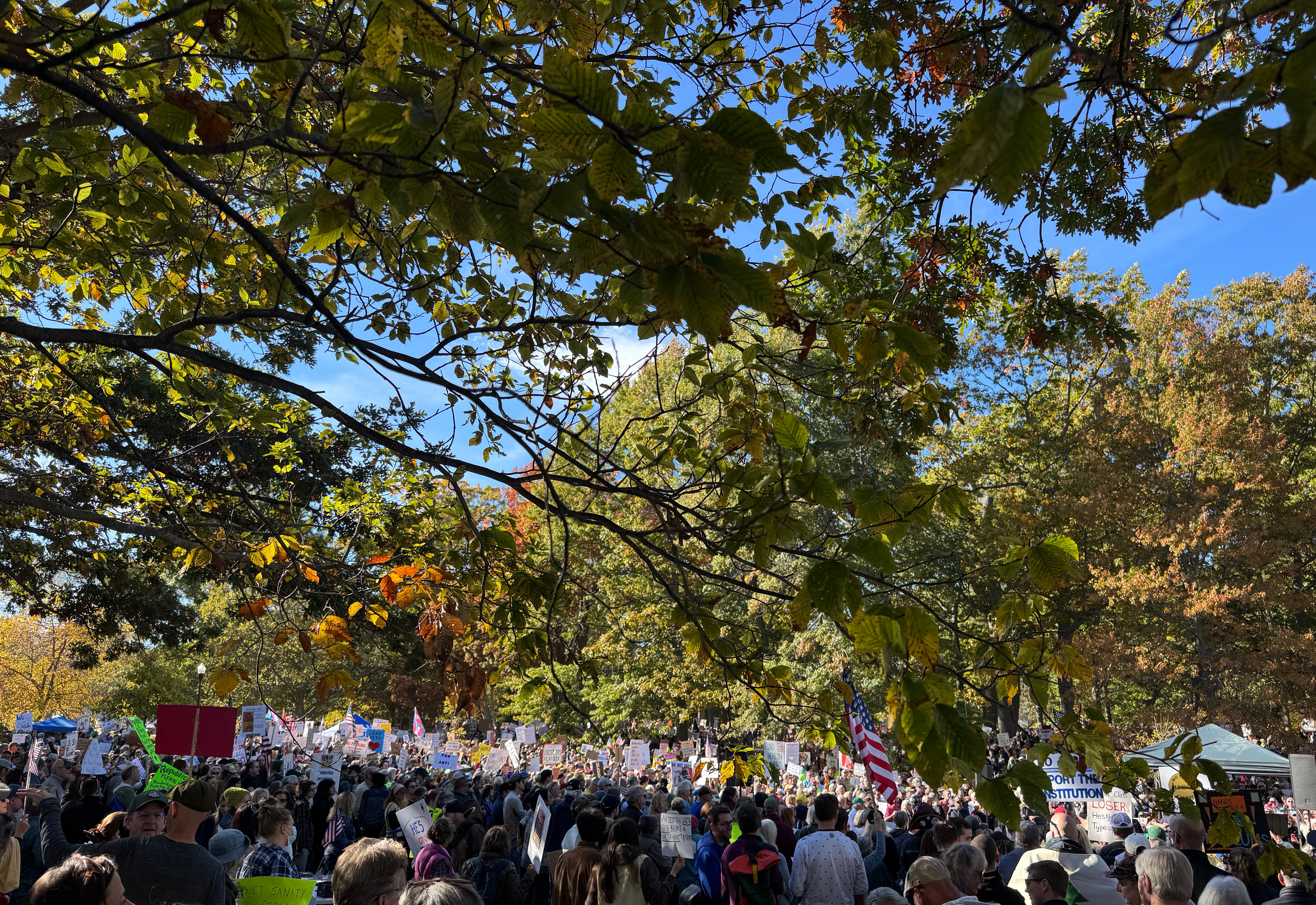
Portland still didn’t want any kings.
October 26
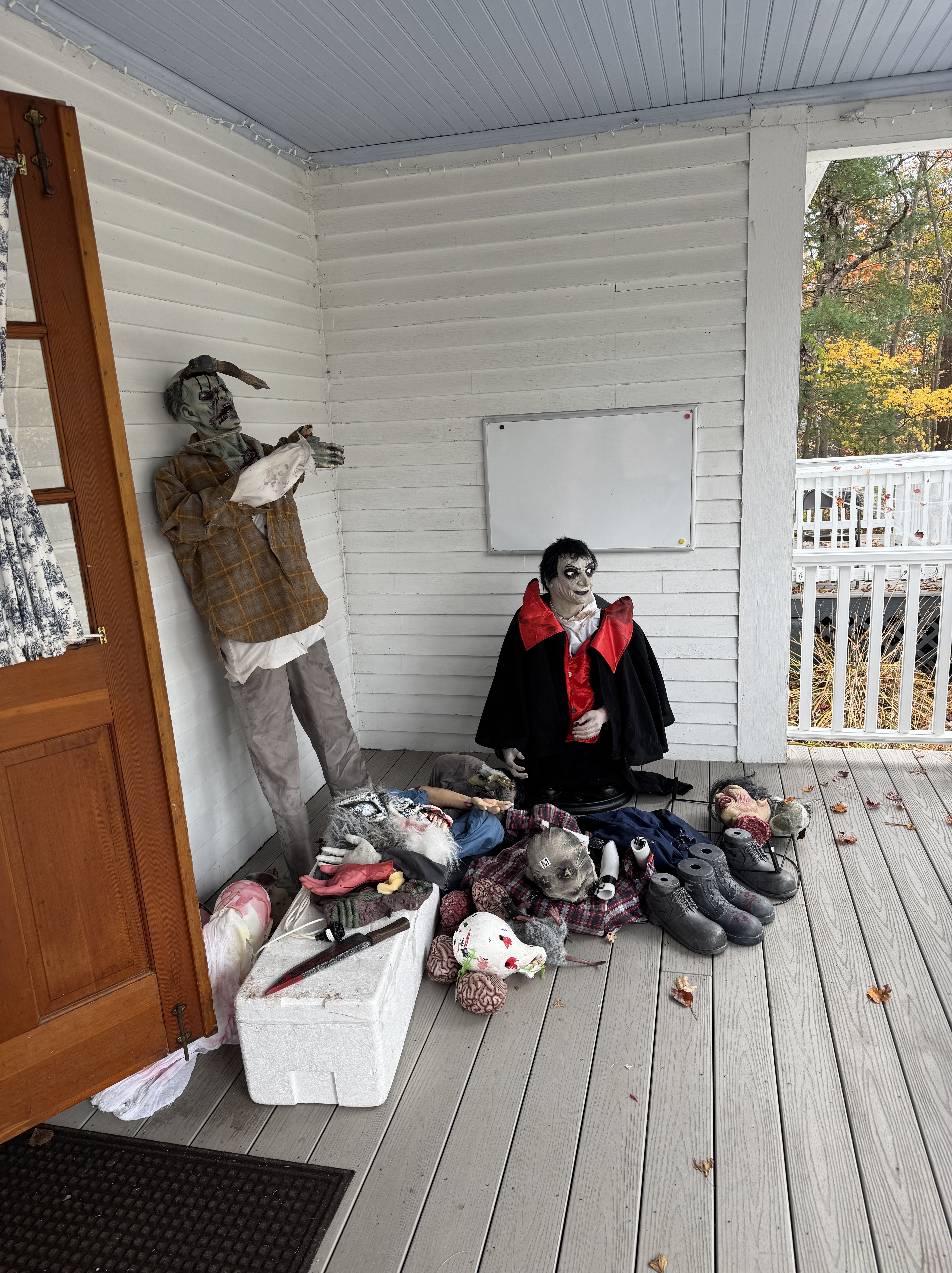
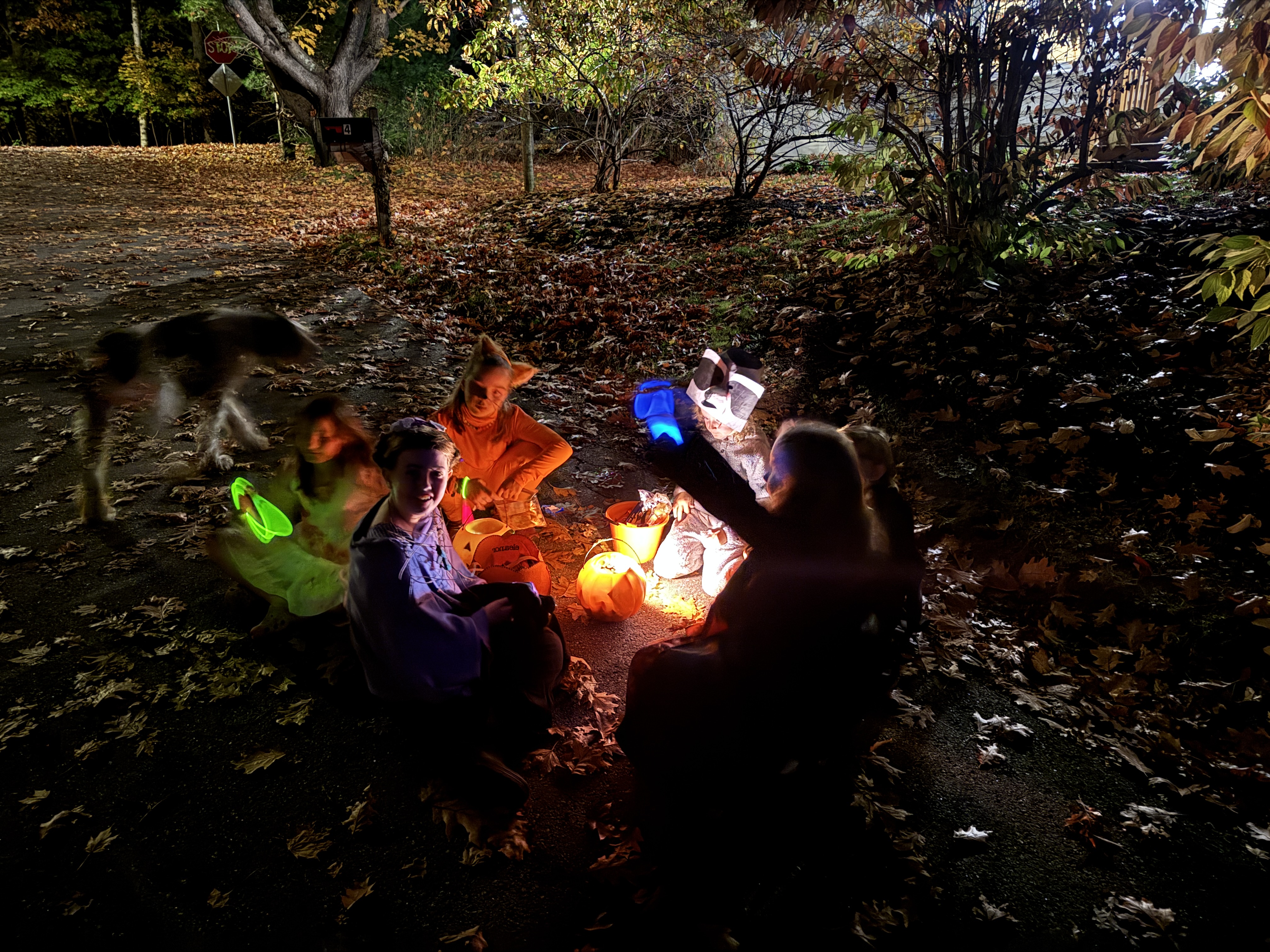
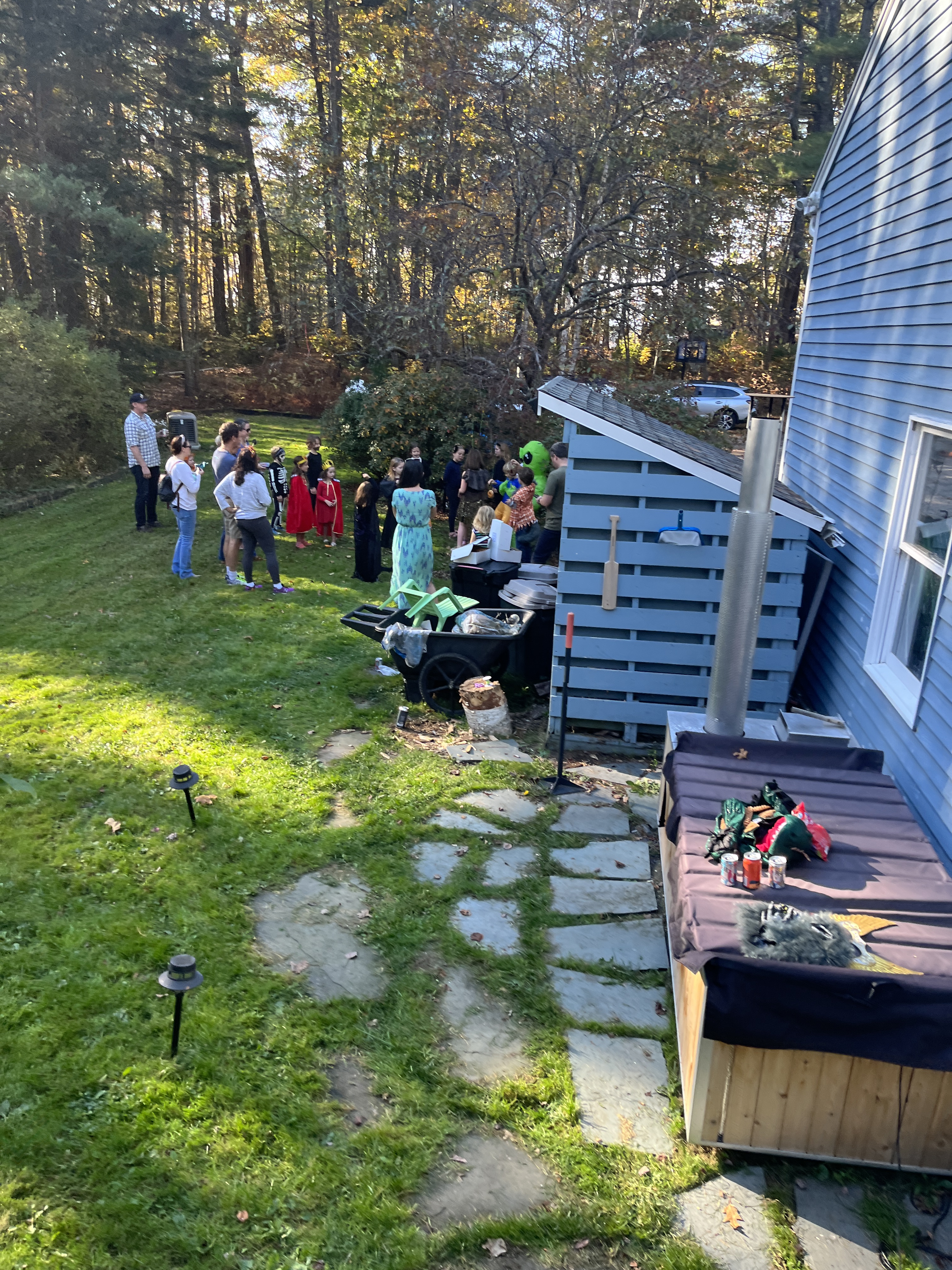
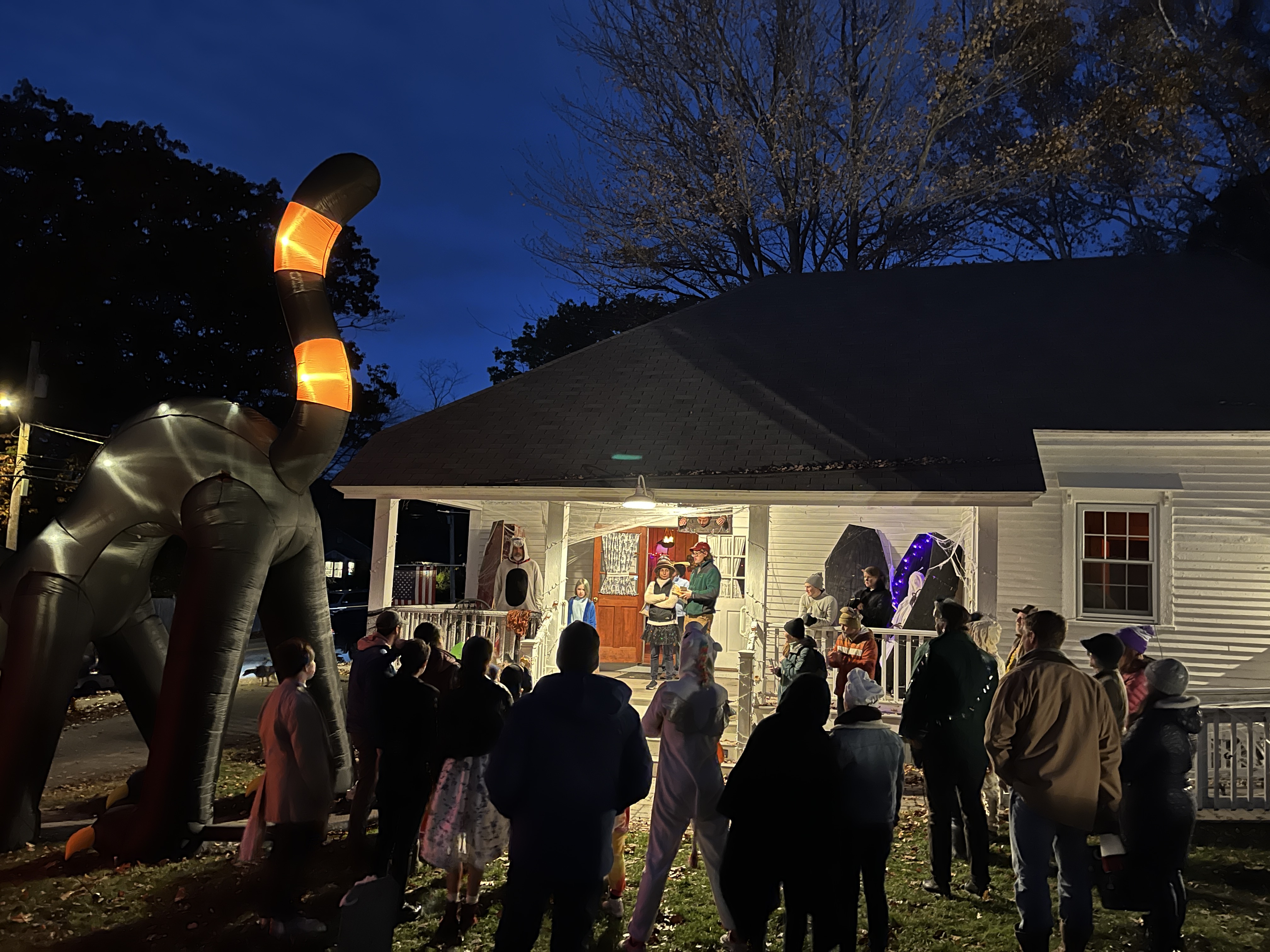
Preparation for the annual island community Halloween party begins.
October 27
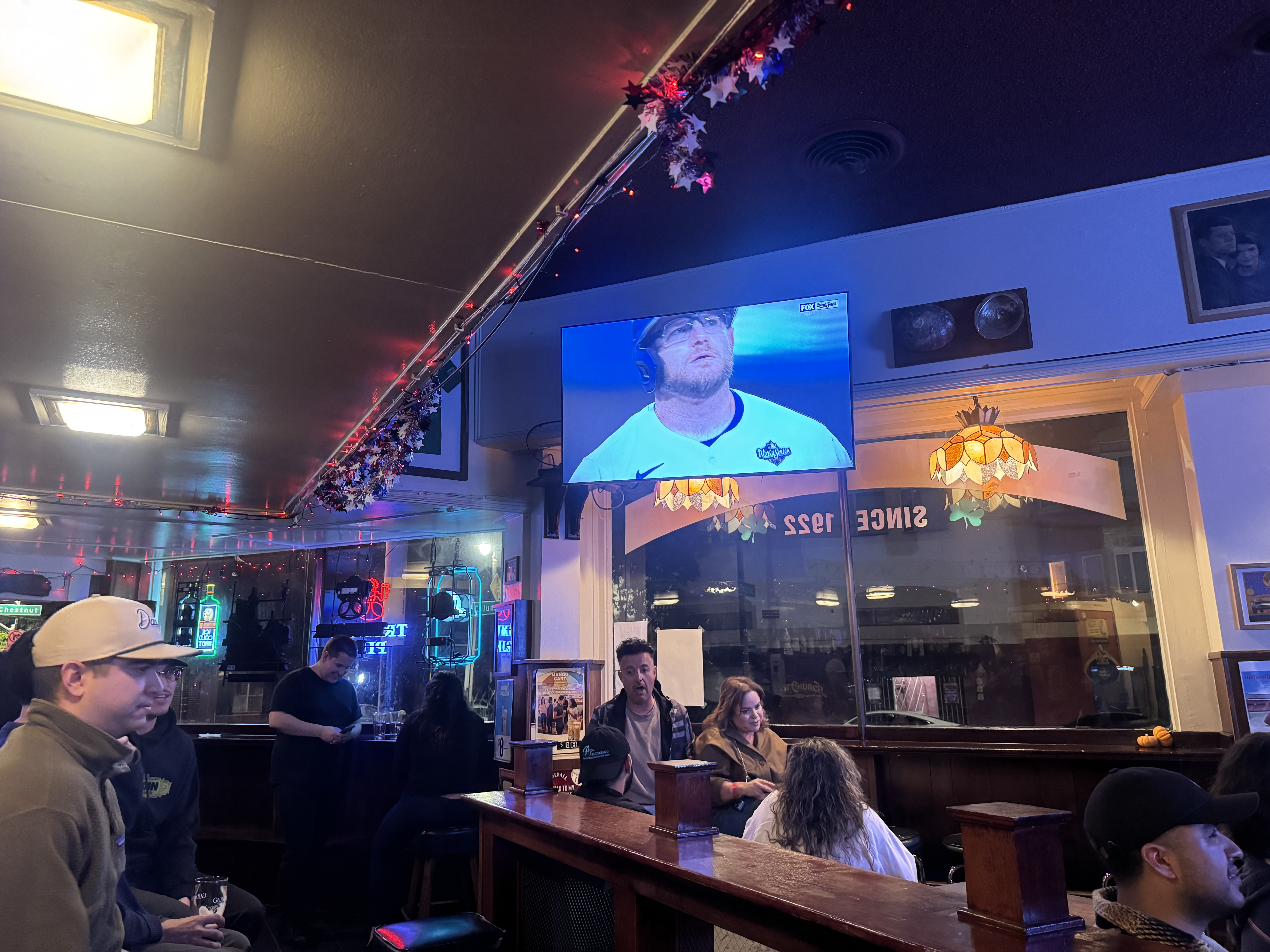
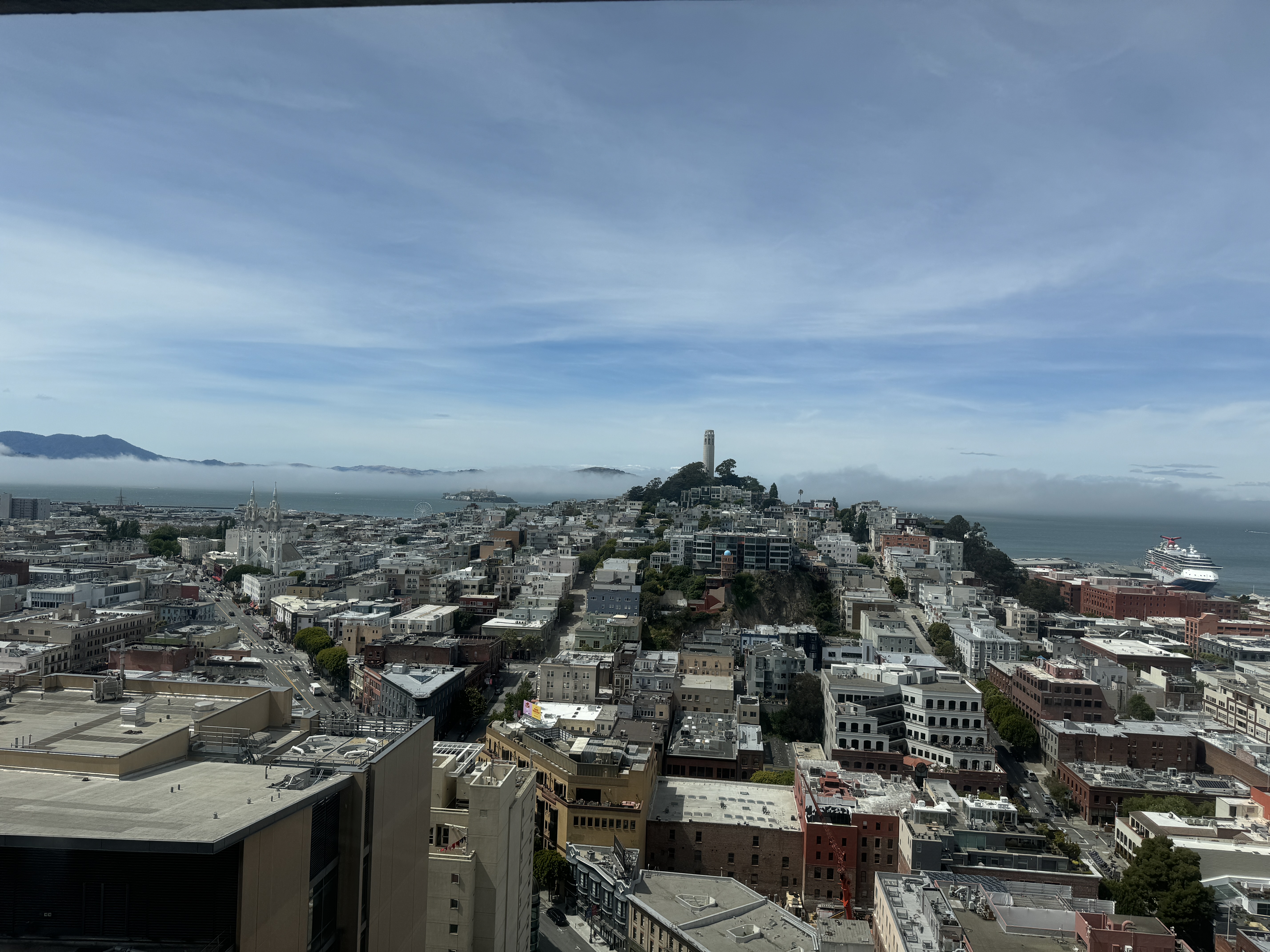
Walking home from a work dinner in San Francisco, I heard a nearby roar which ended up being a dive bar watching the World Series game which was into the 13th inning. I lasted until the 16th, then was absolutely wiped and headed home in theory to sleep but which in practice meant watching the last two innings from bed.
November 8
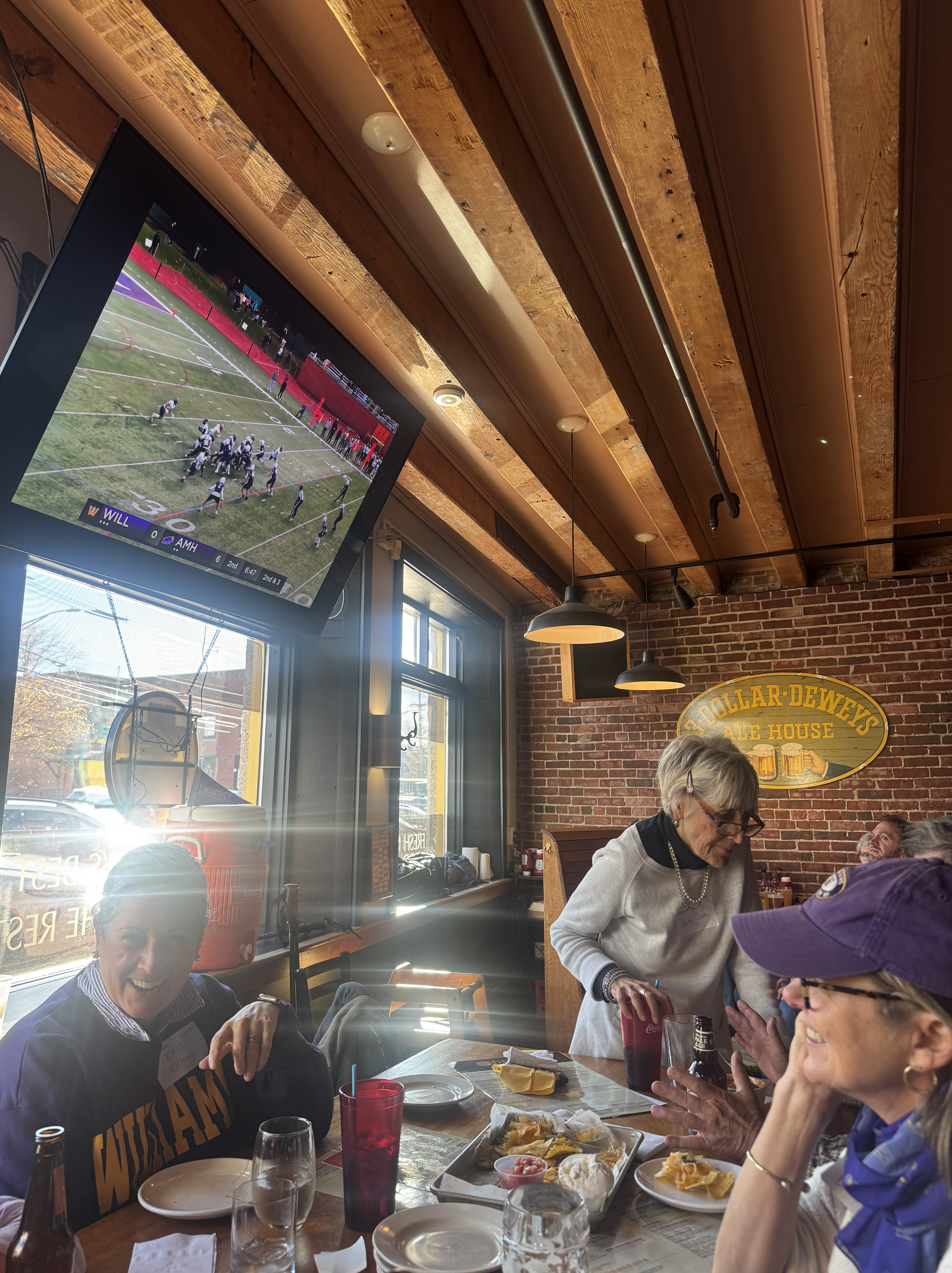
Another year, another Biggest Little Game in America.
November 13
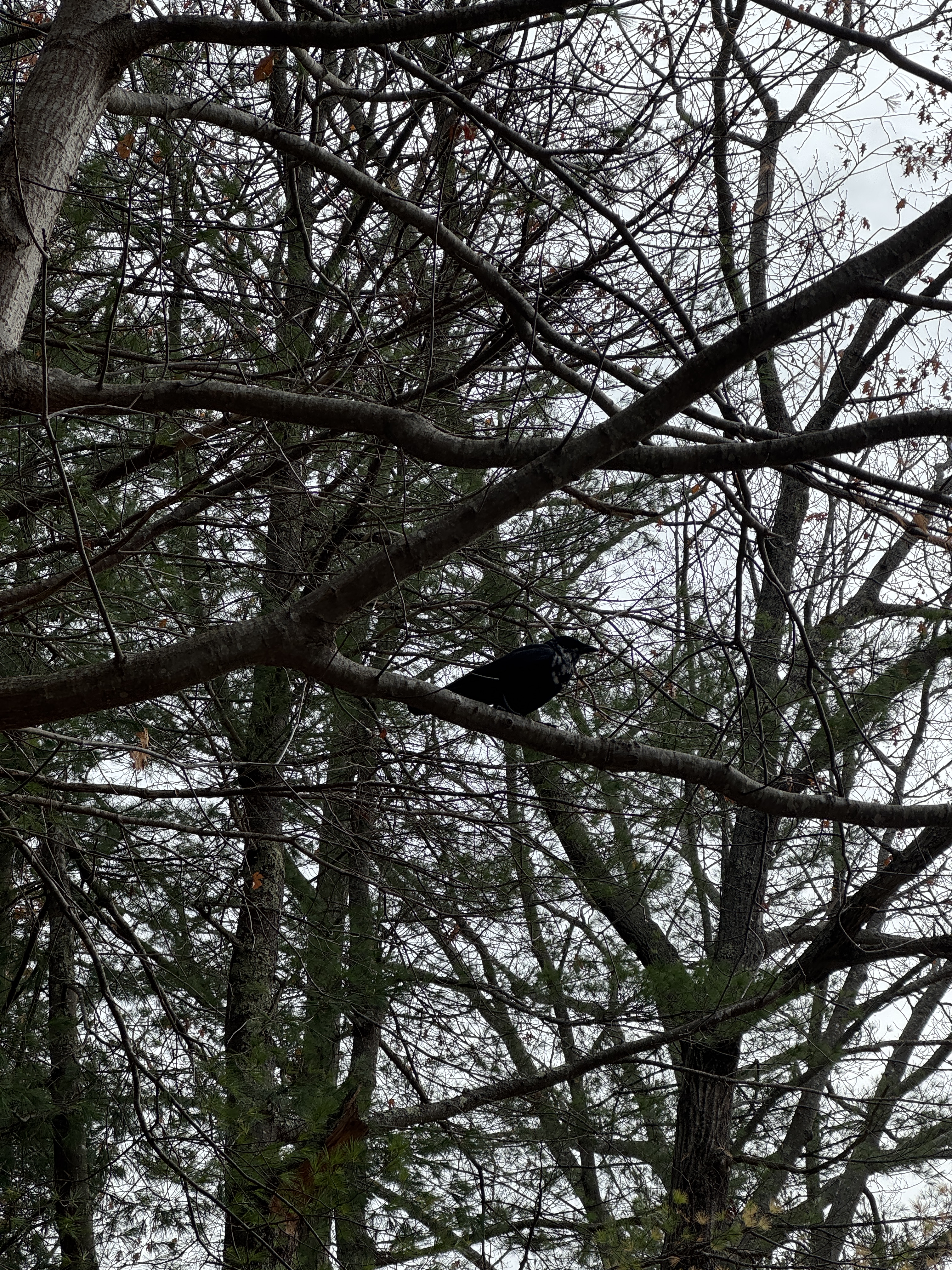
Have been making slow progress in getting to know some of the individuals among the aforementioned island crows. This is one of the boldest, Gray Feathers, who will fly within a foot of me (but won’t land on my shoulders. yet.).
November 16
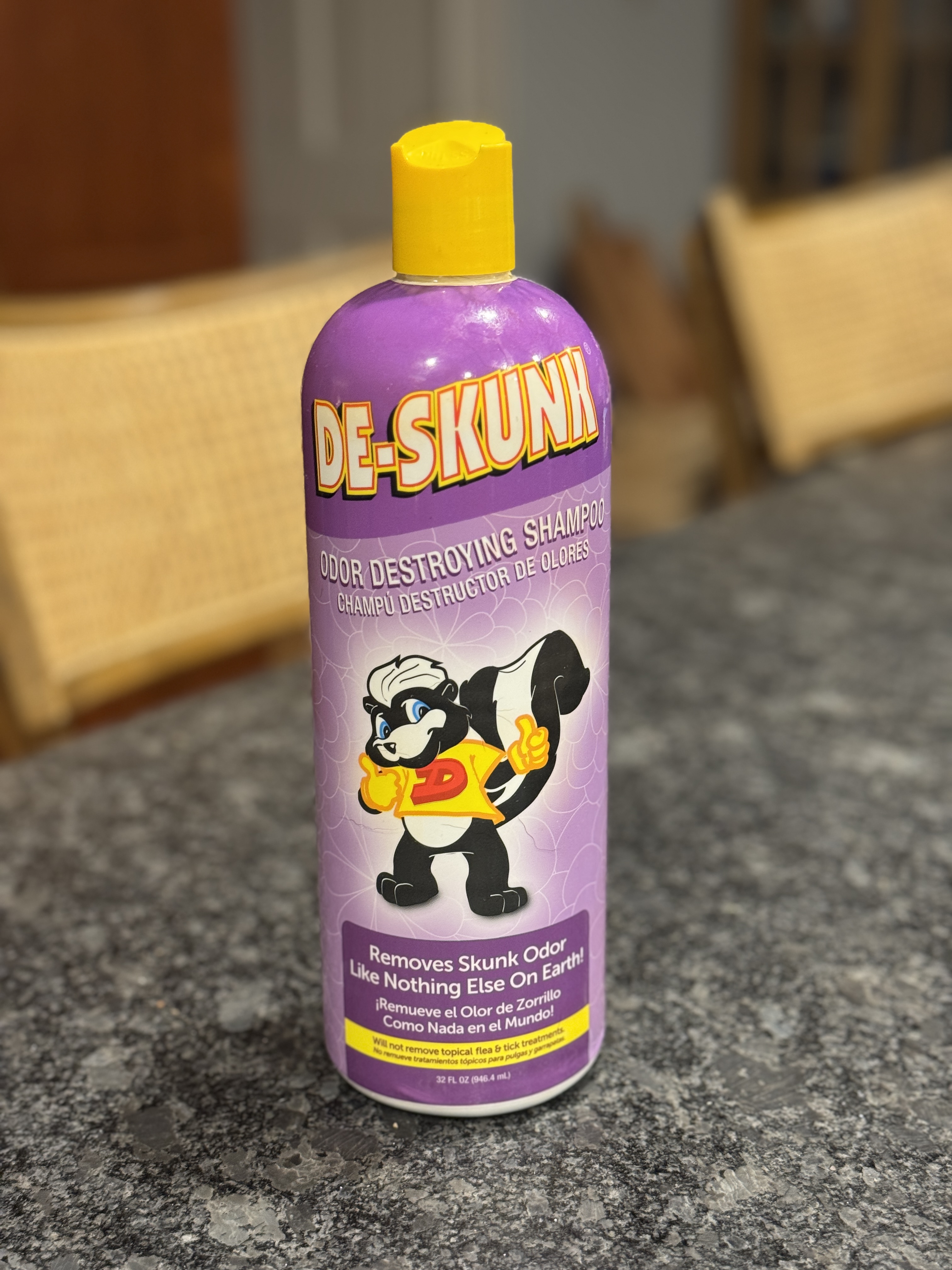
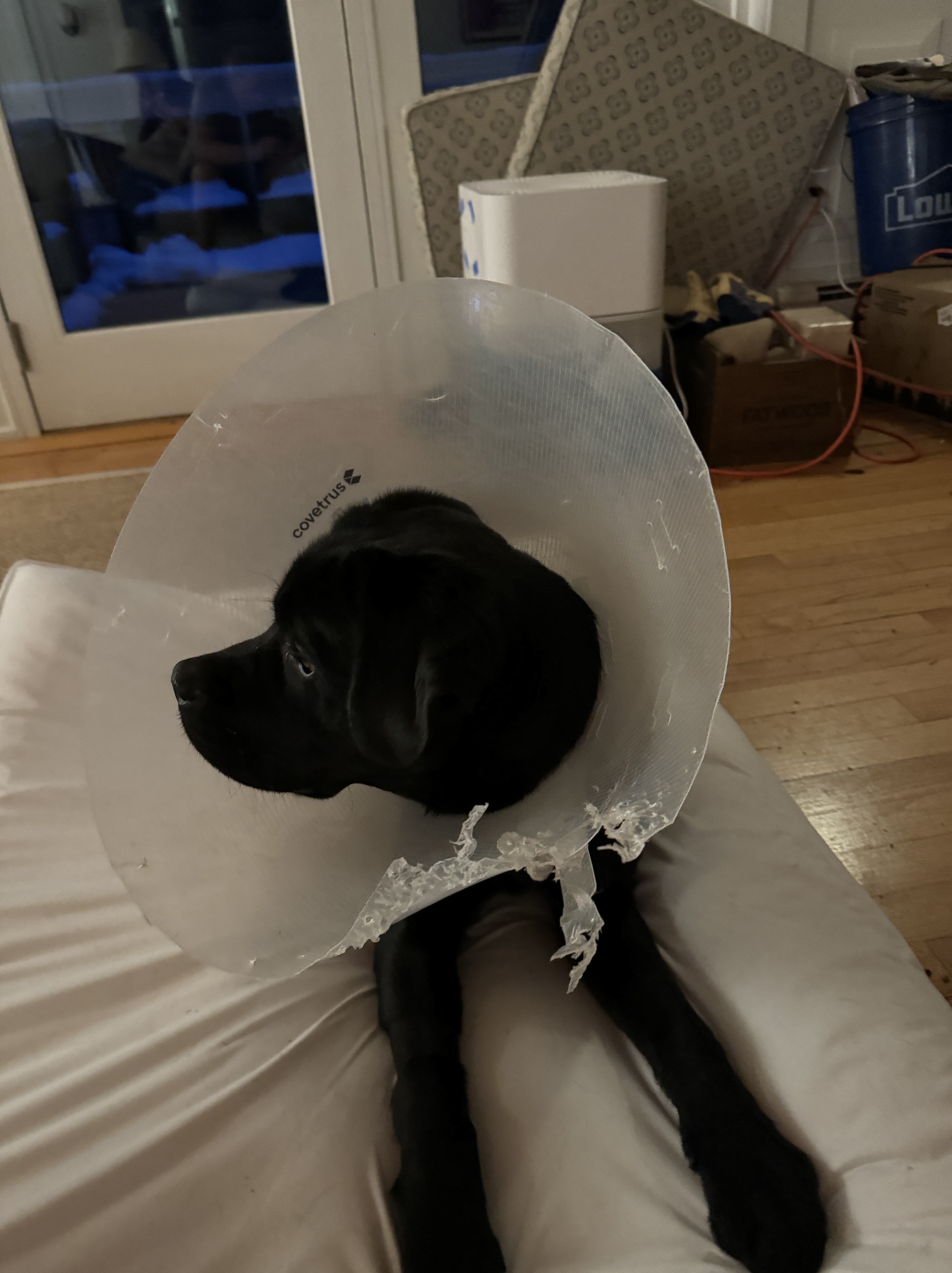
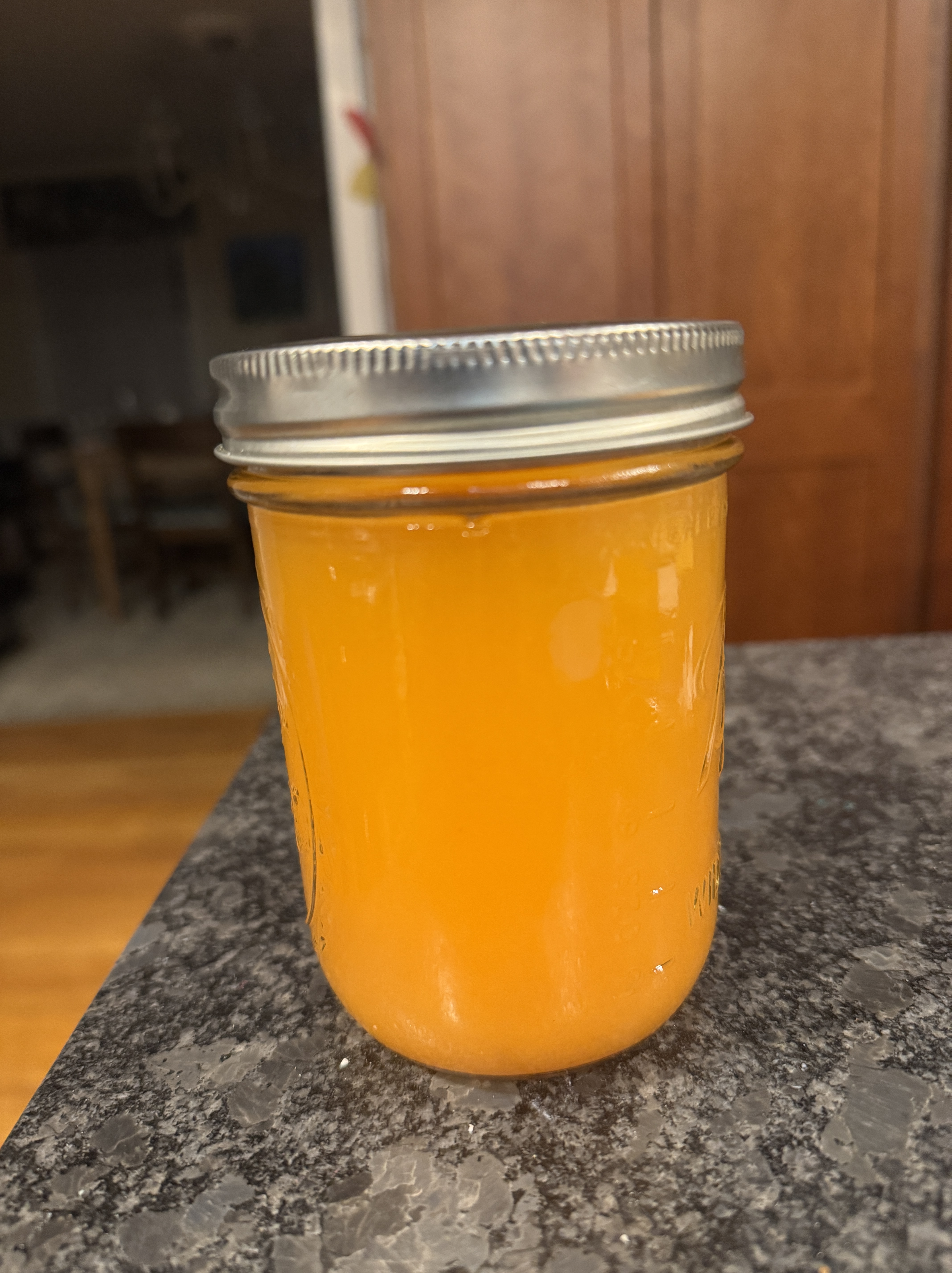
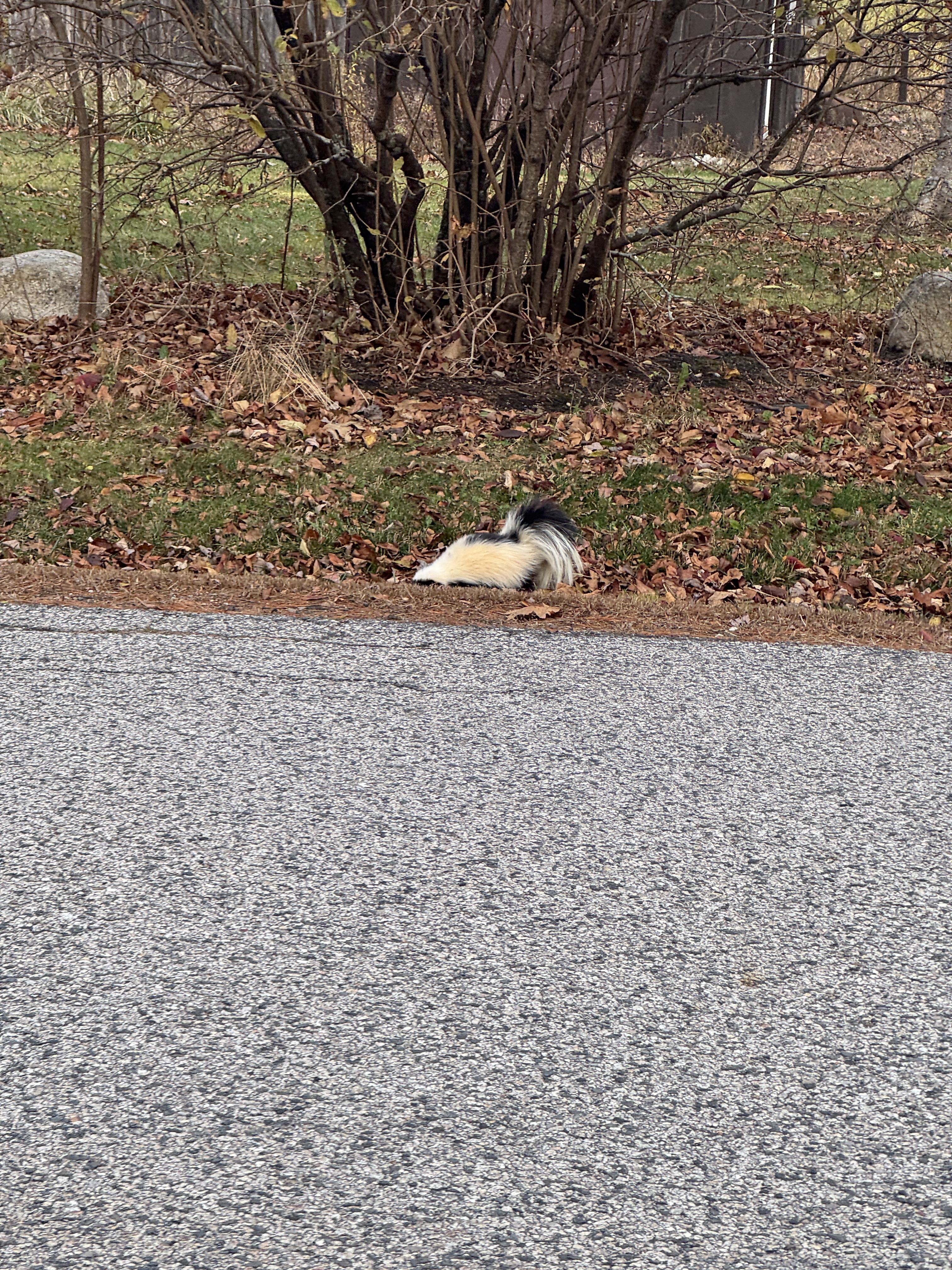
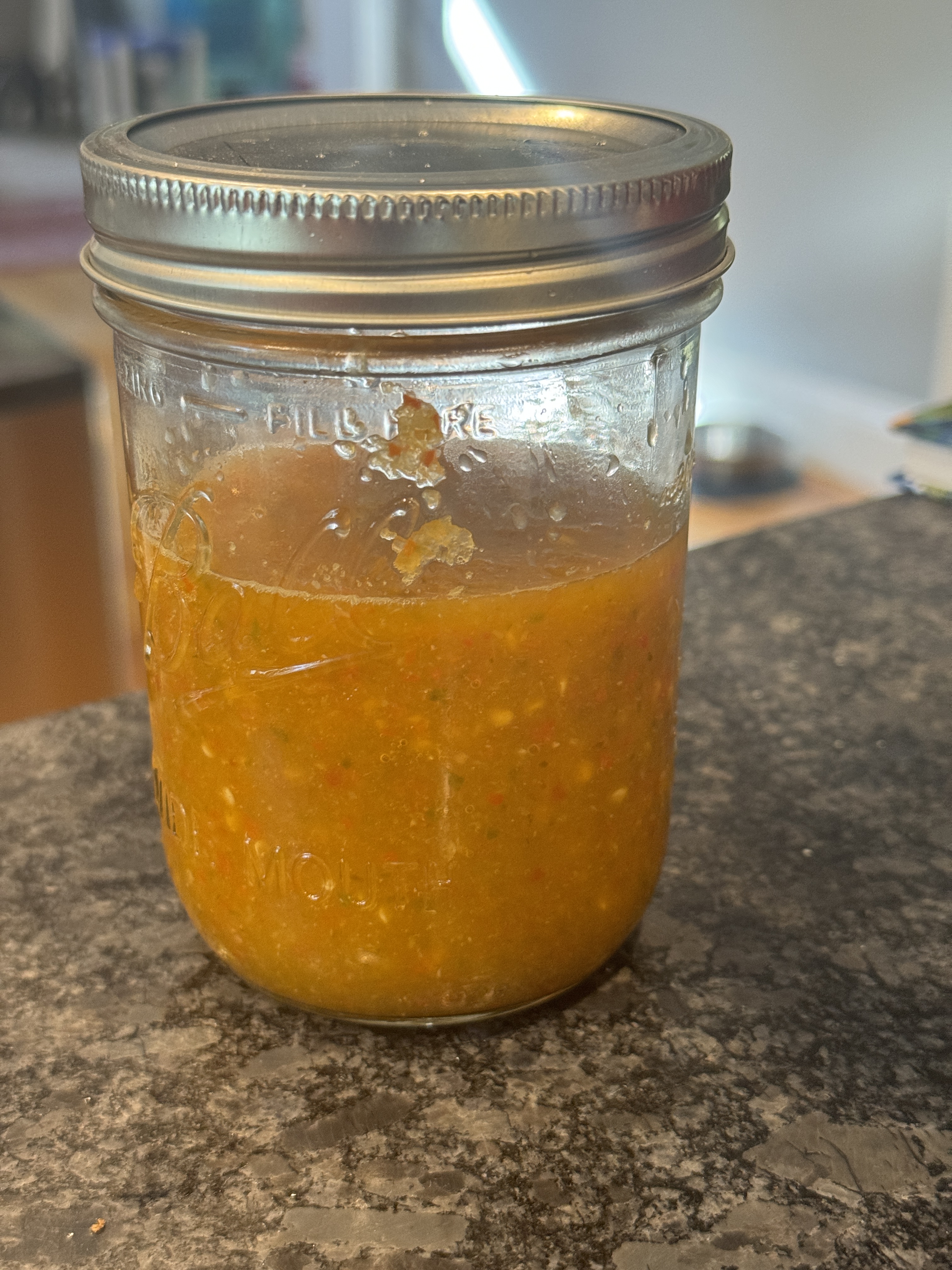
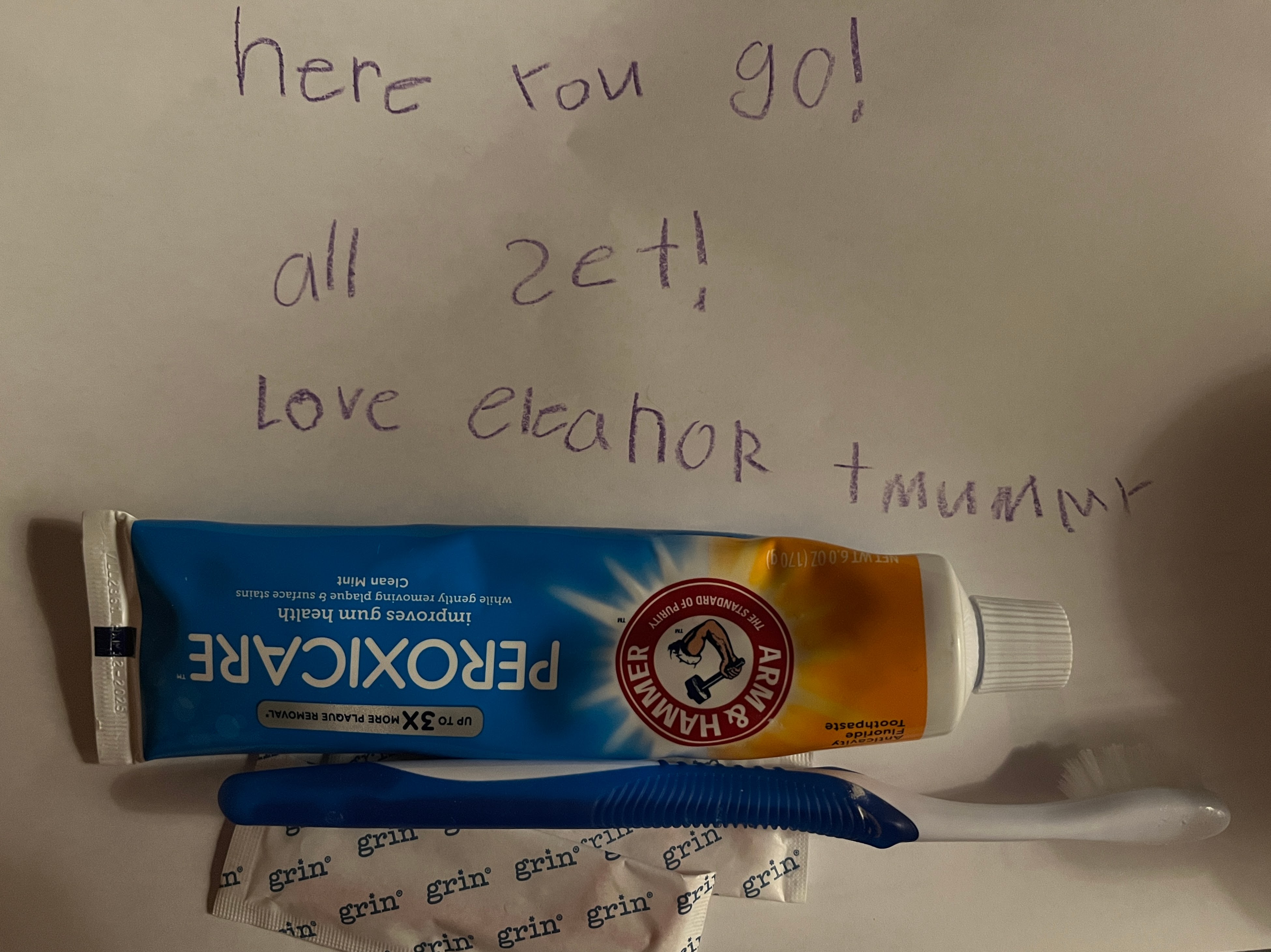
Sully had a professional bath at noon, so naturally six hours later he got himself sprayed by a skunk. Fortunately, my past self understood that our dog was a total donkey and that this was inevitable and had purchased the above shampoo against that inevitability.
December 31
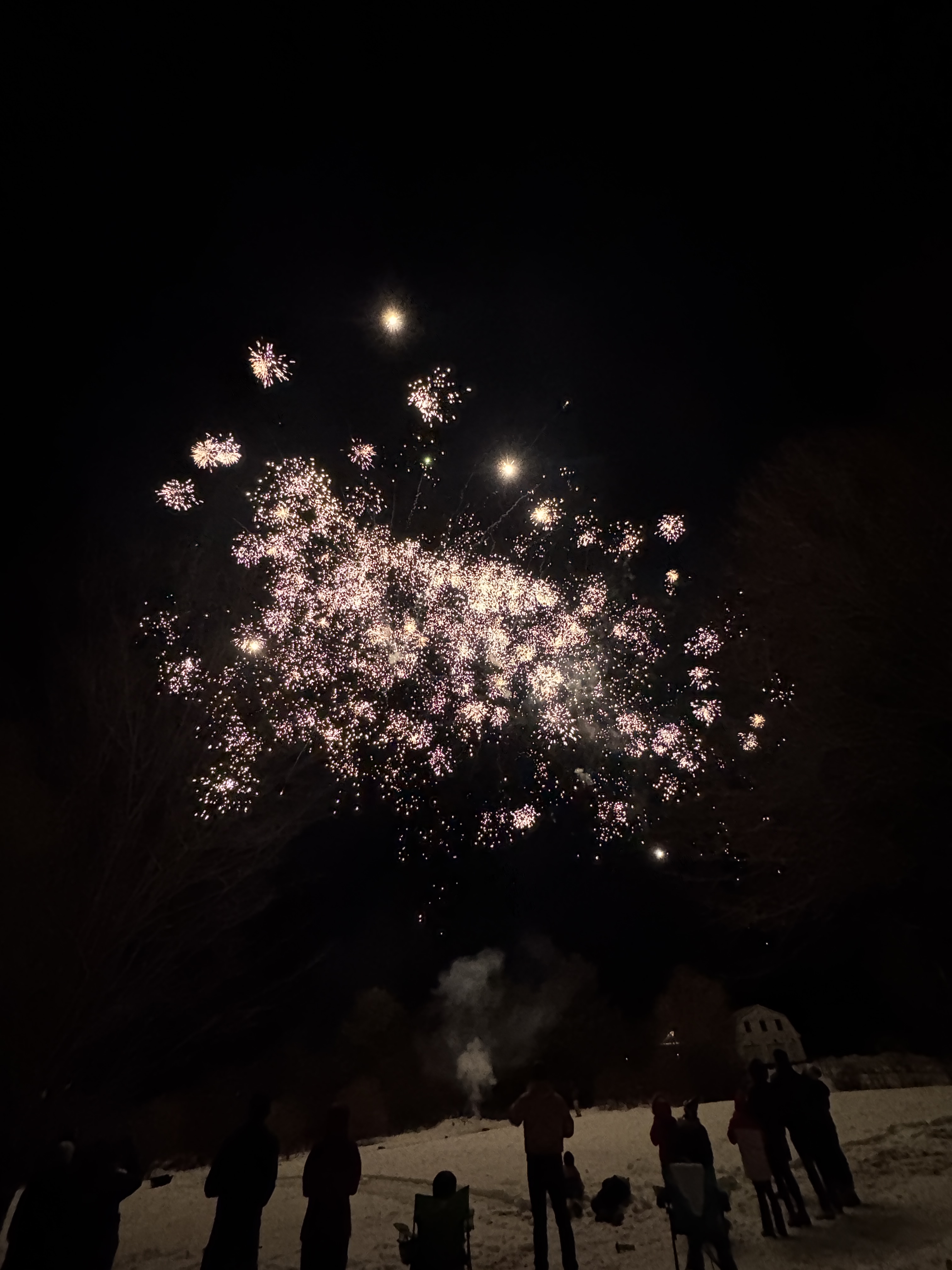
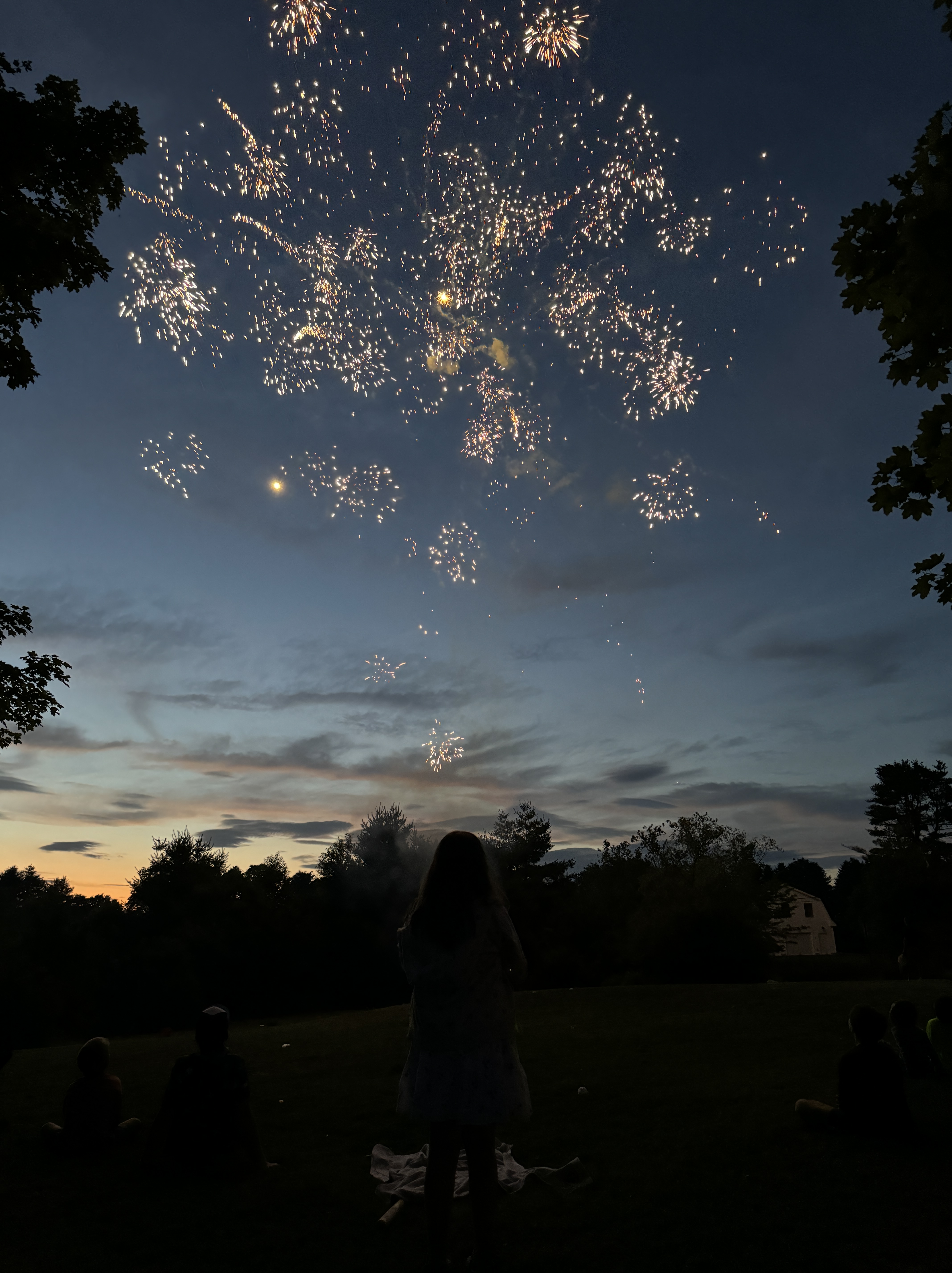
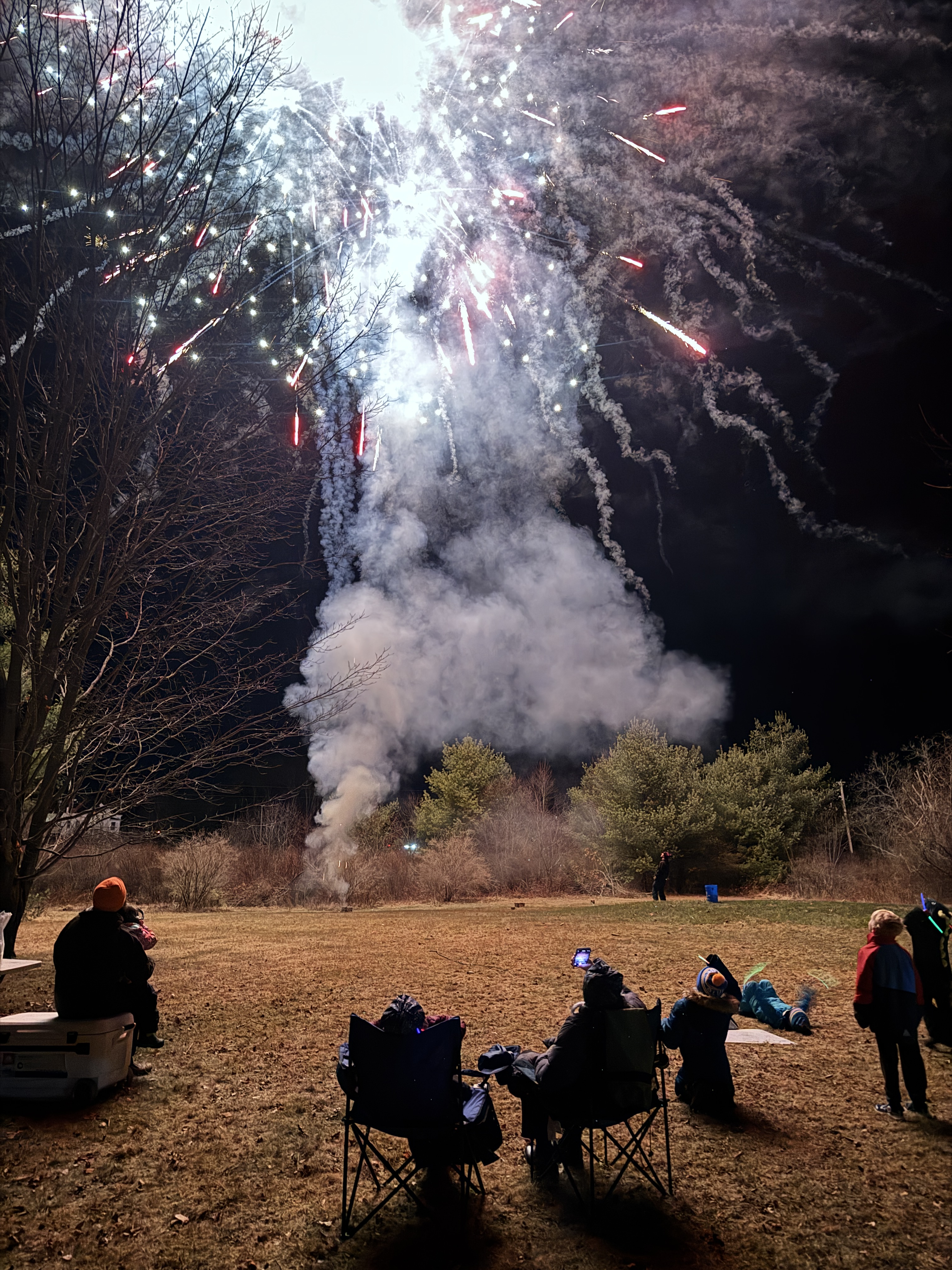
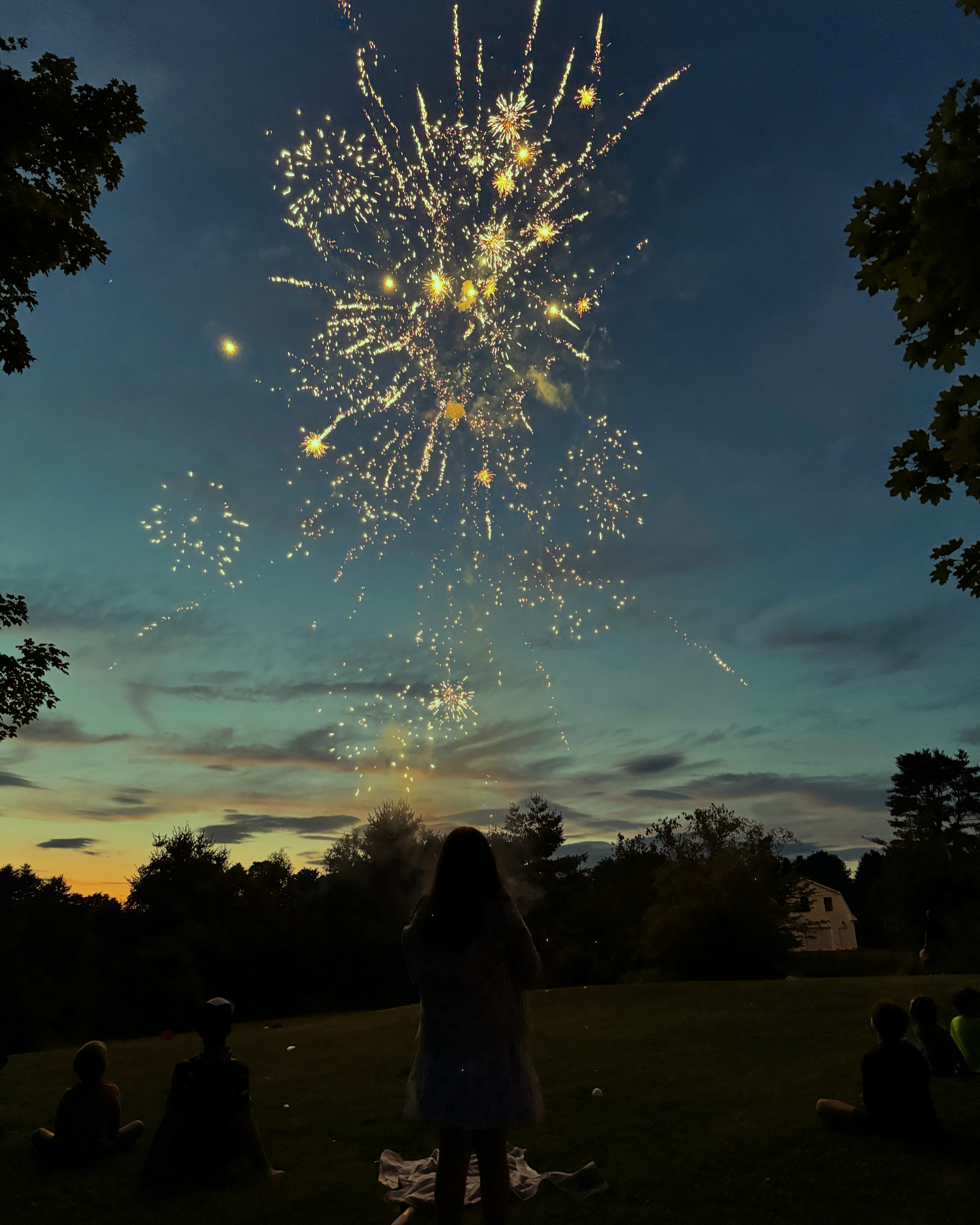
First up: fireworks.
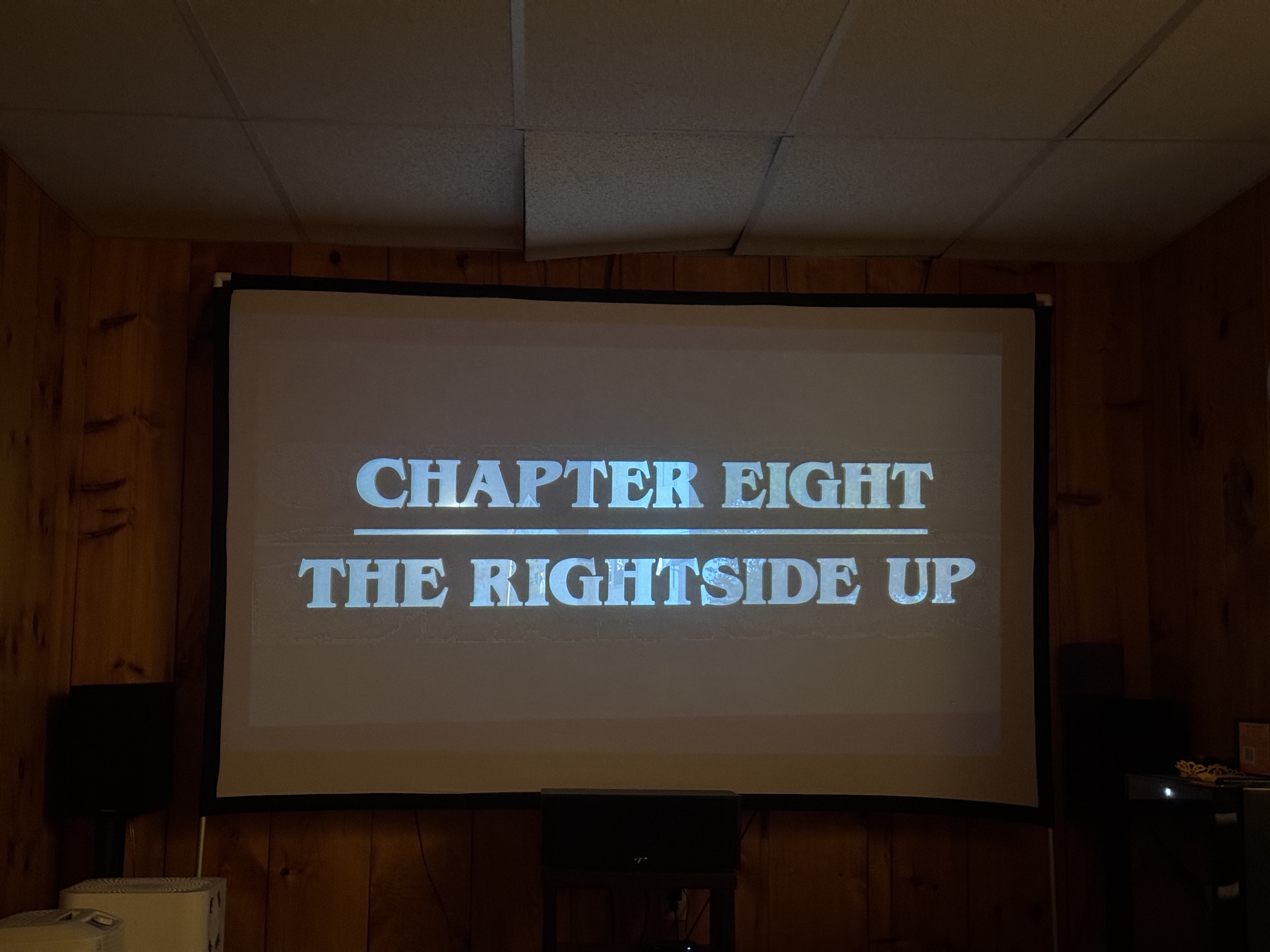
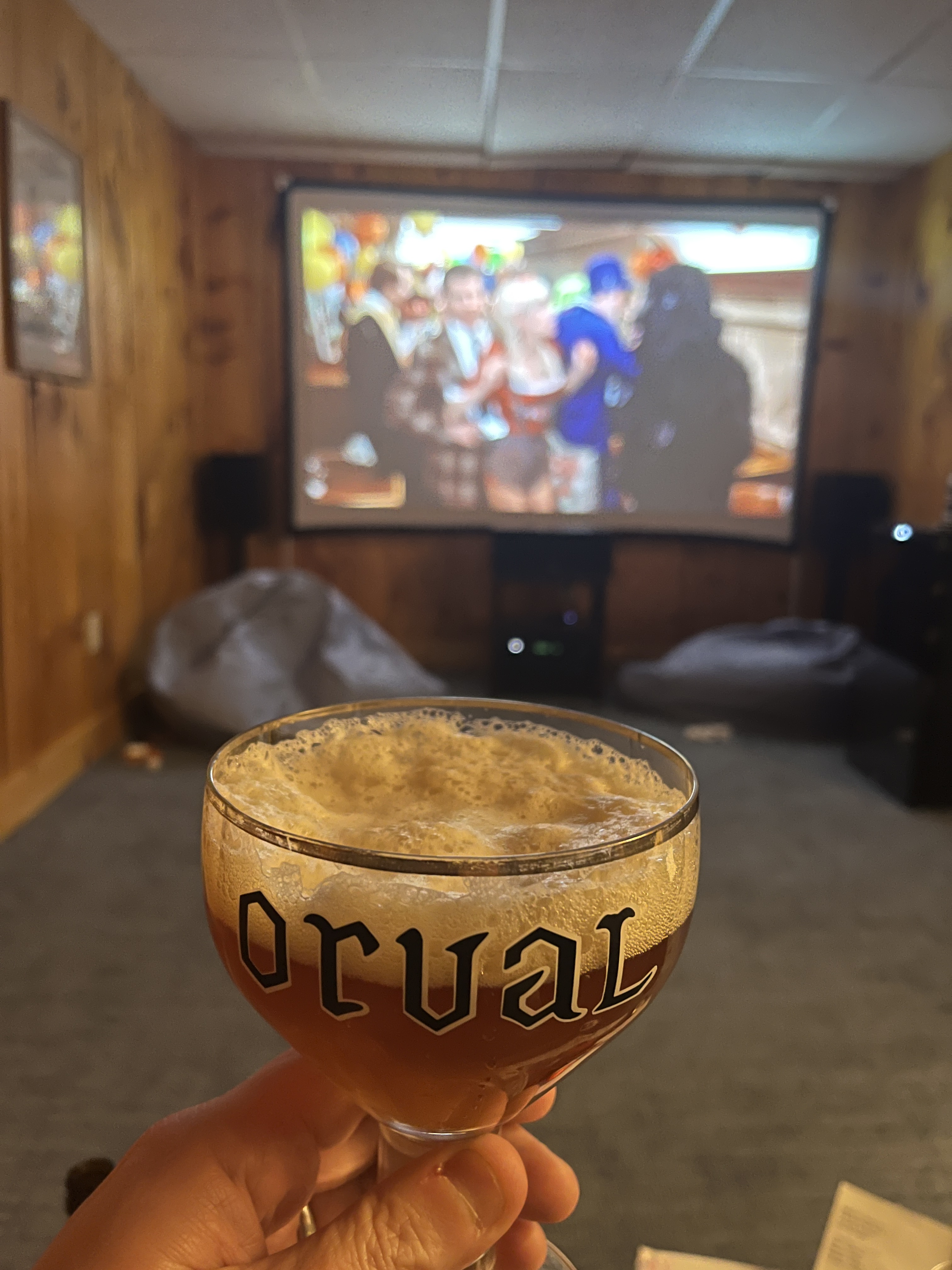
Normally I close out the year by watching Trading Places. This year, I watched the last episode of the best TV series I’ve seen, and it was perfect. And a perfect end to the year.




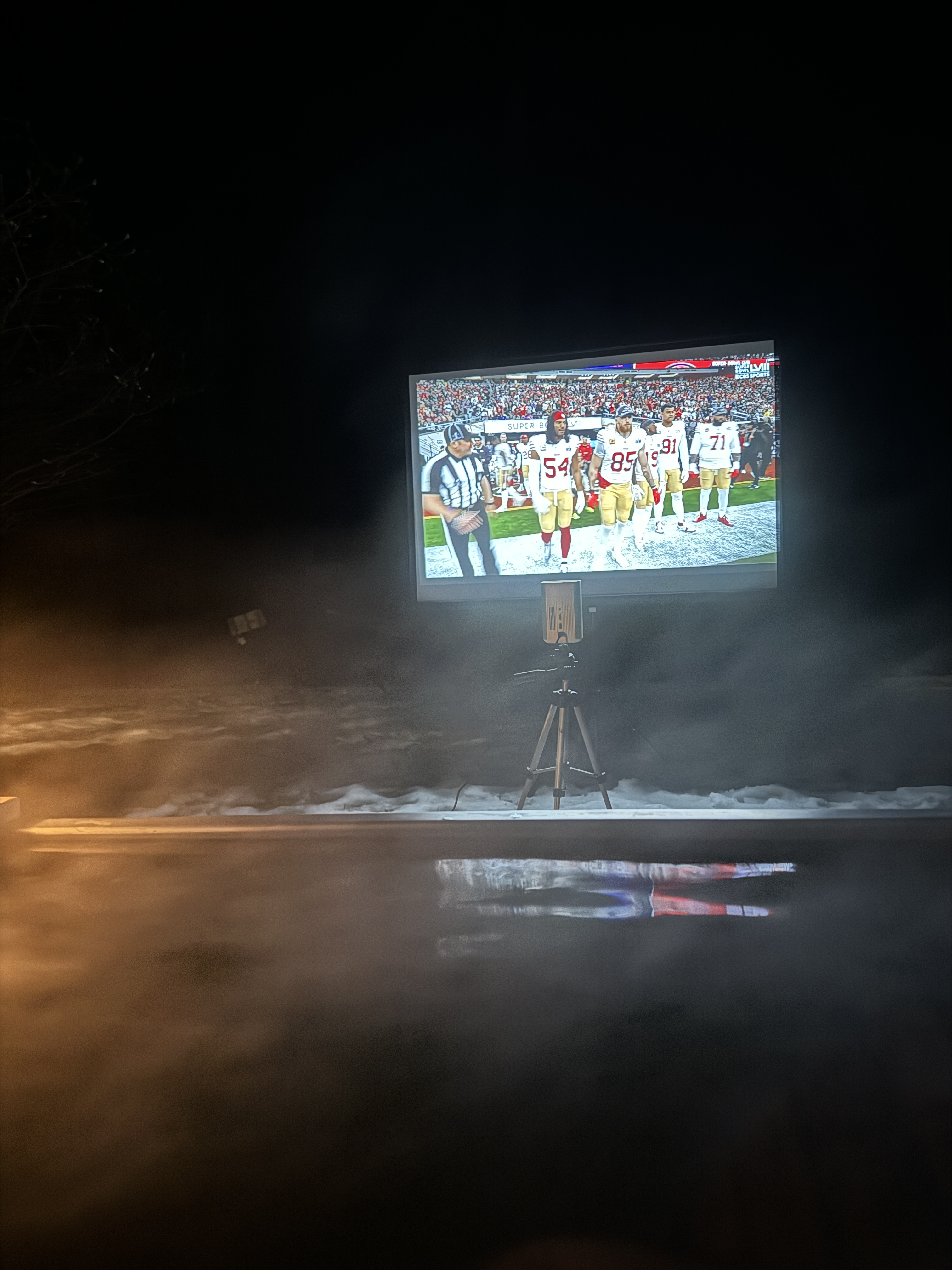

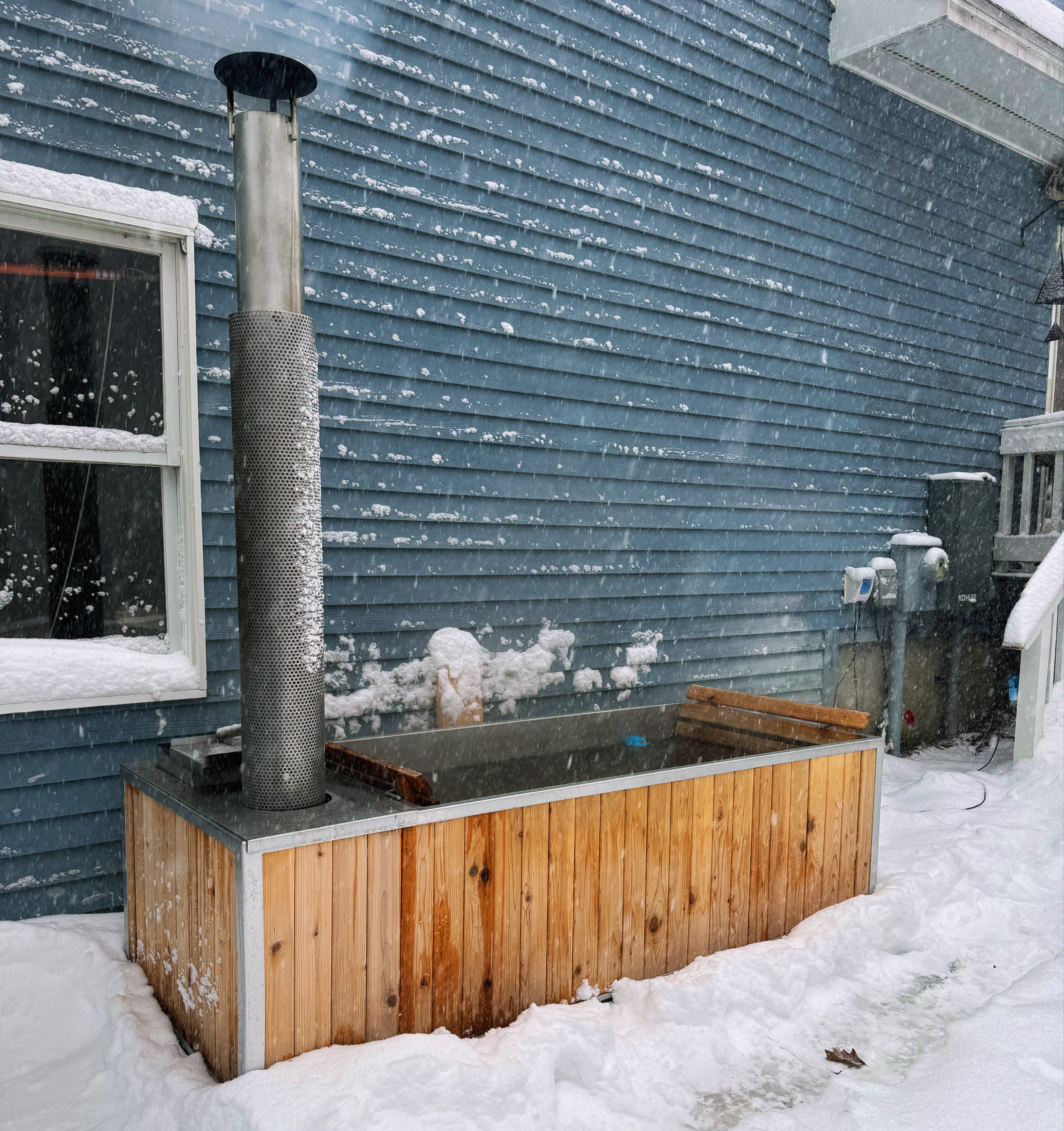

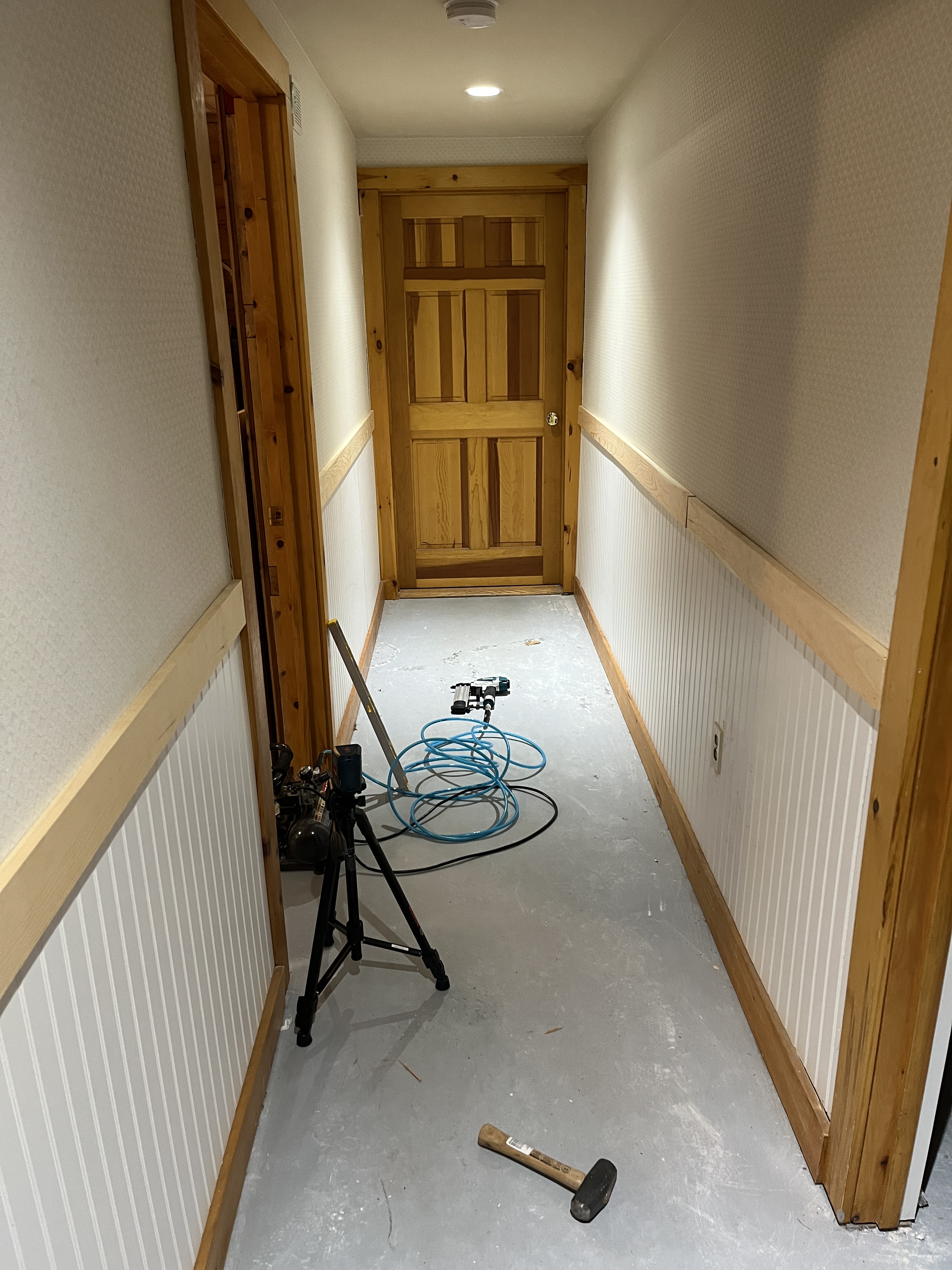
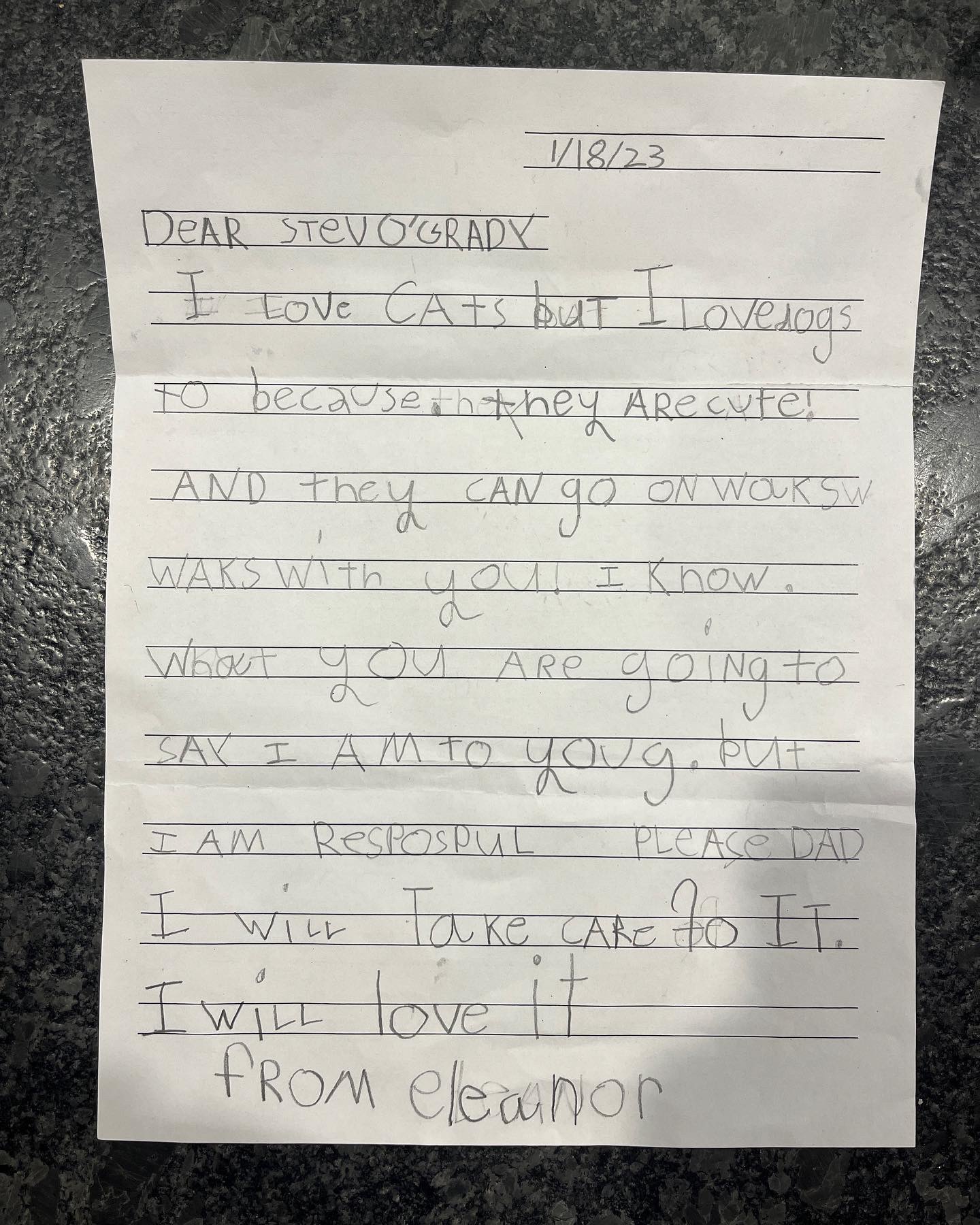
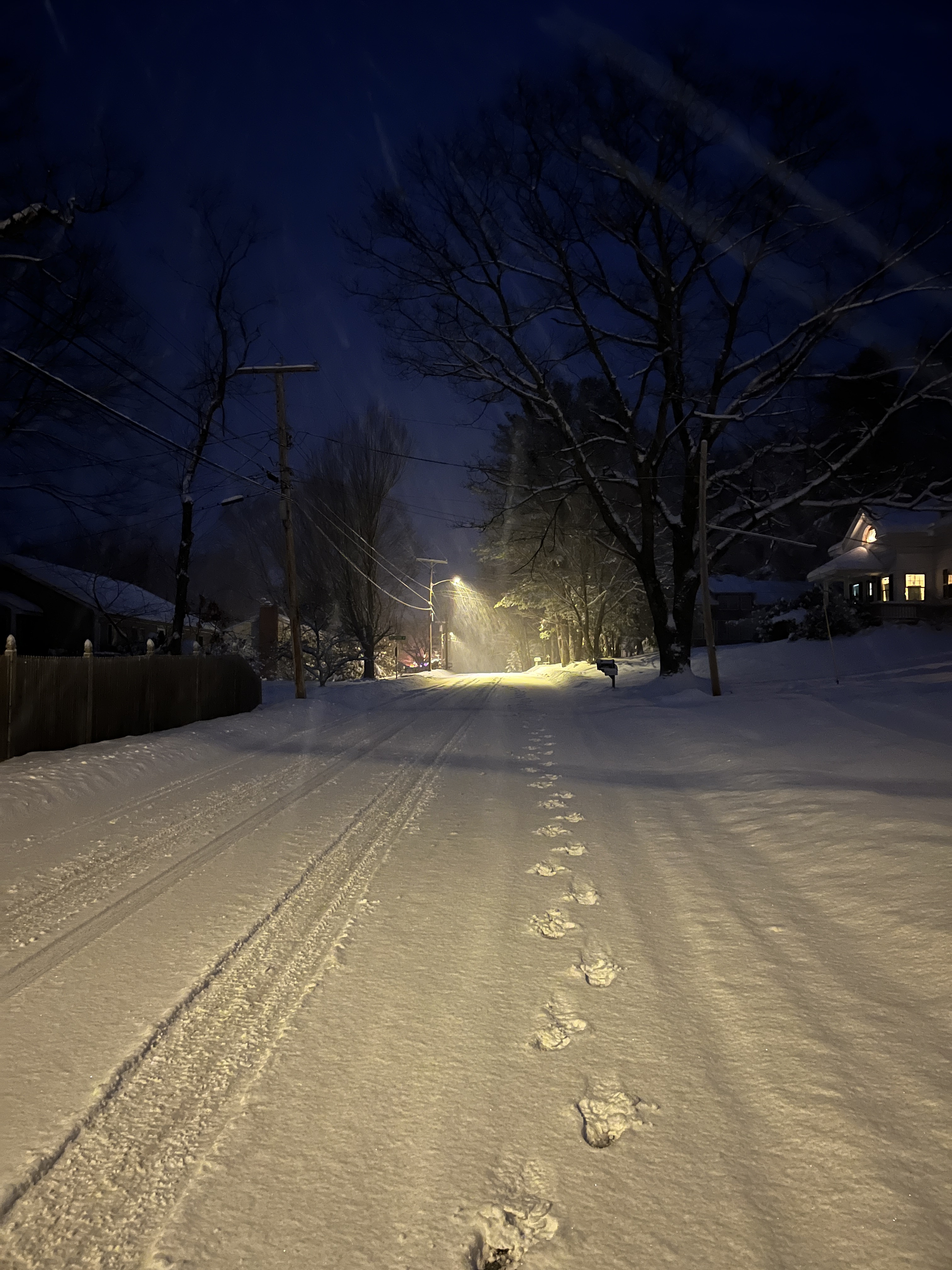
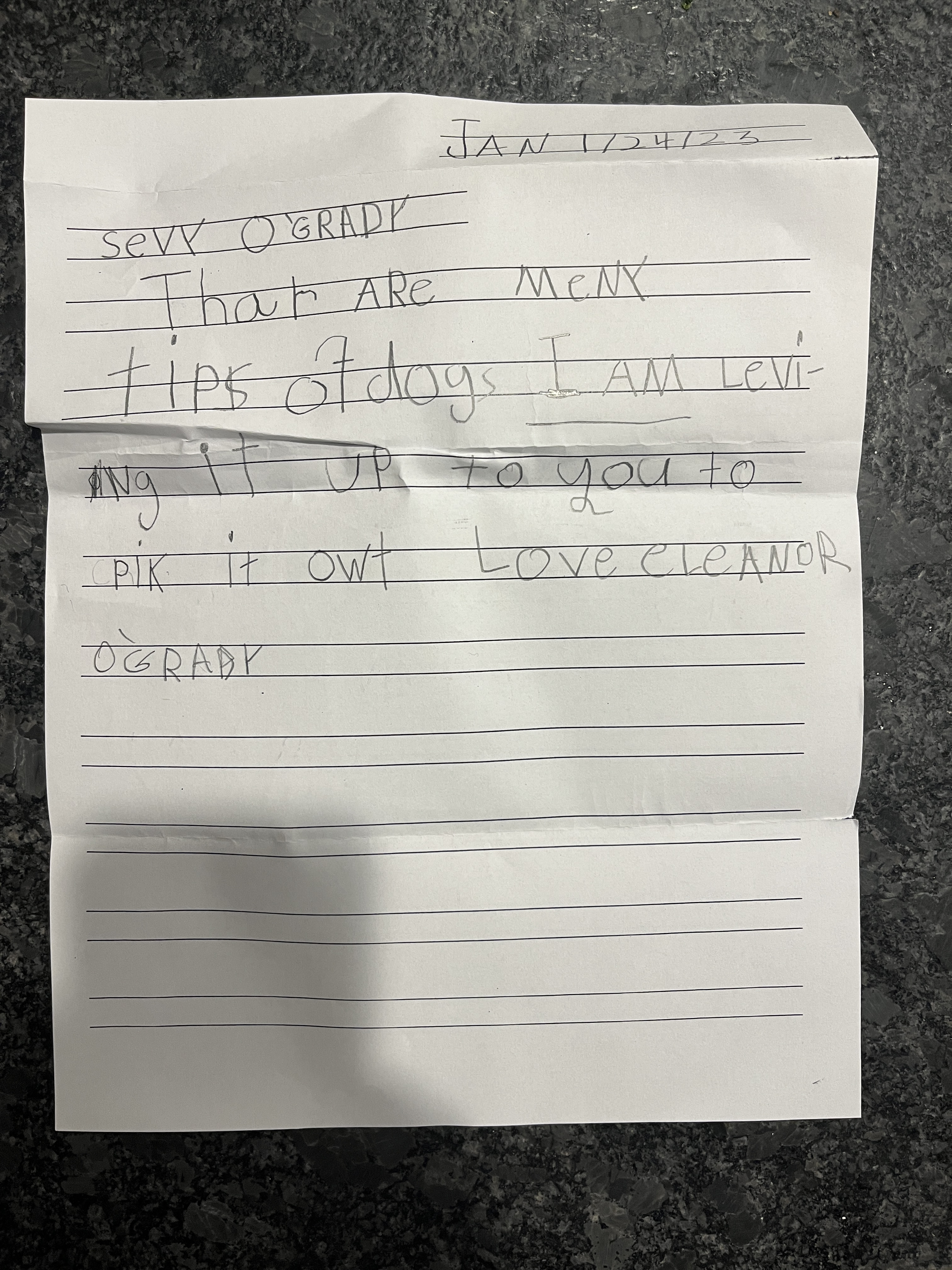
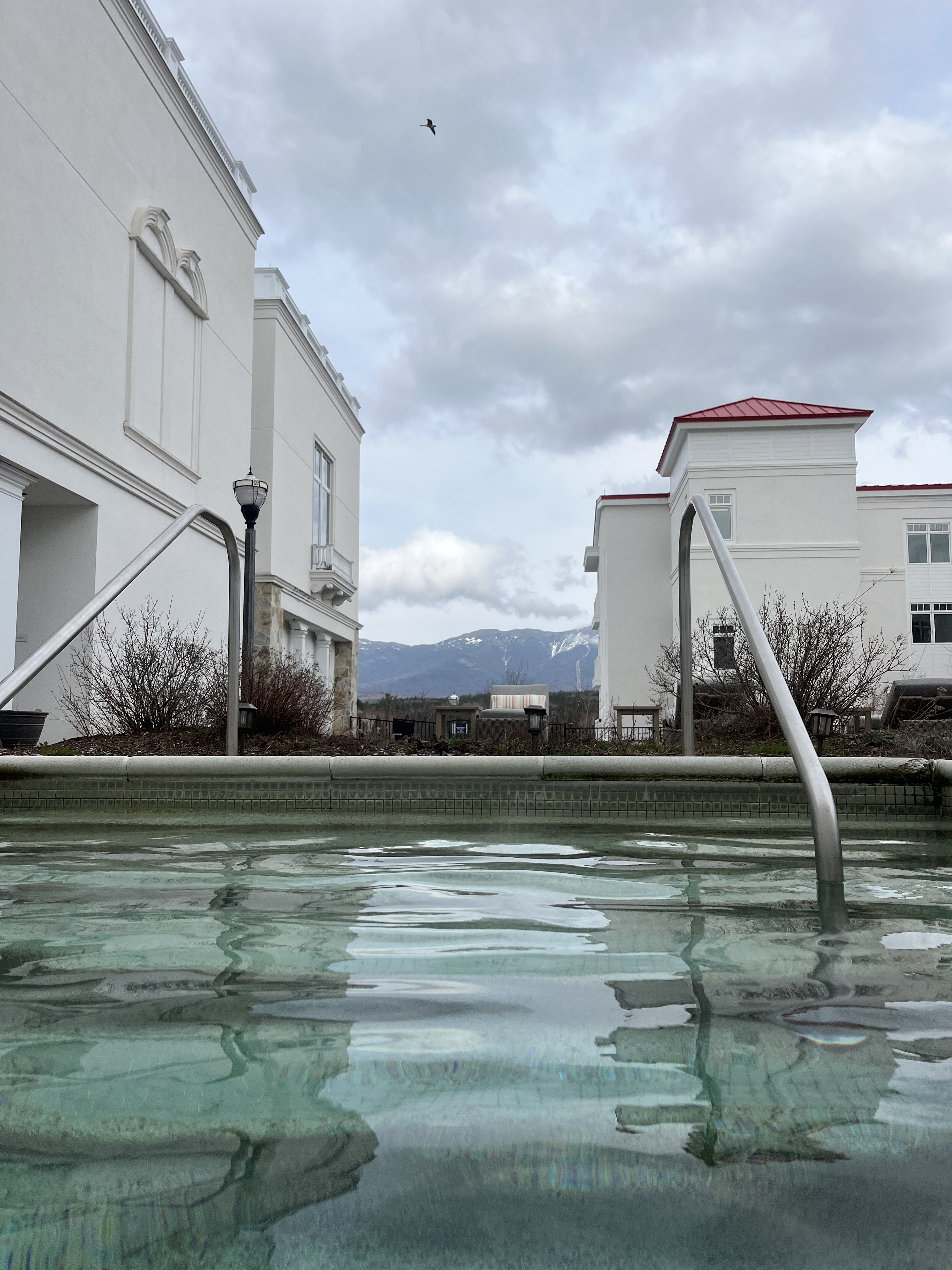

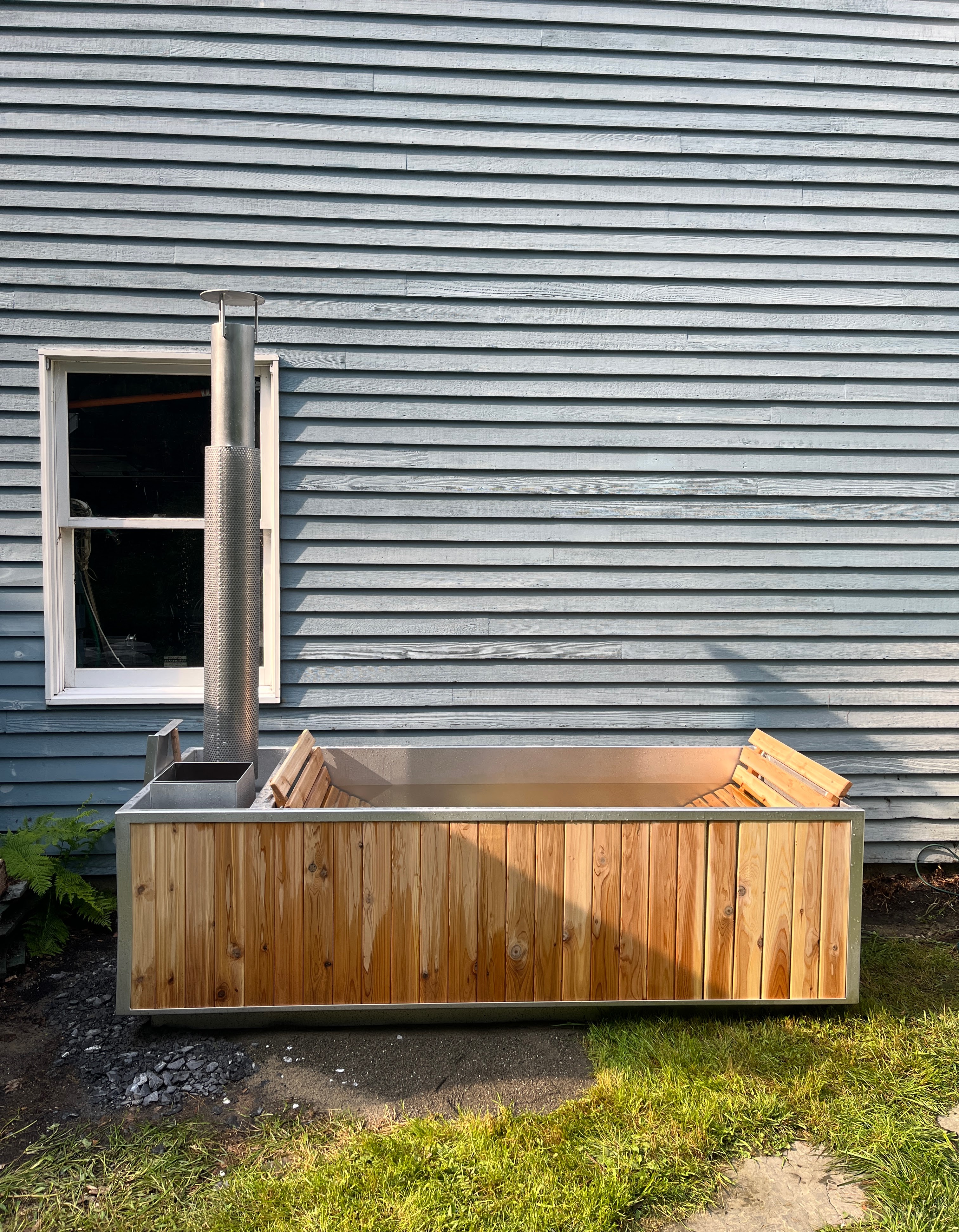

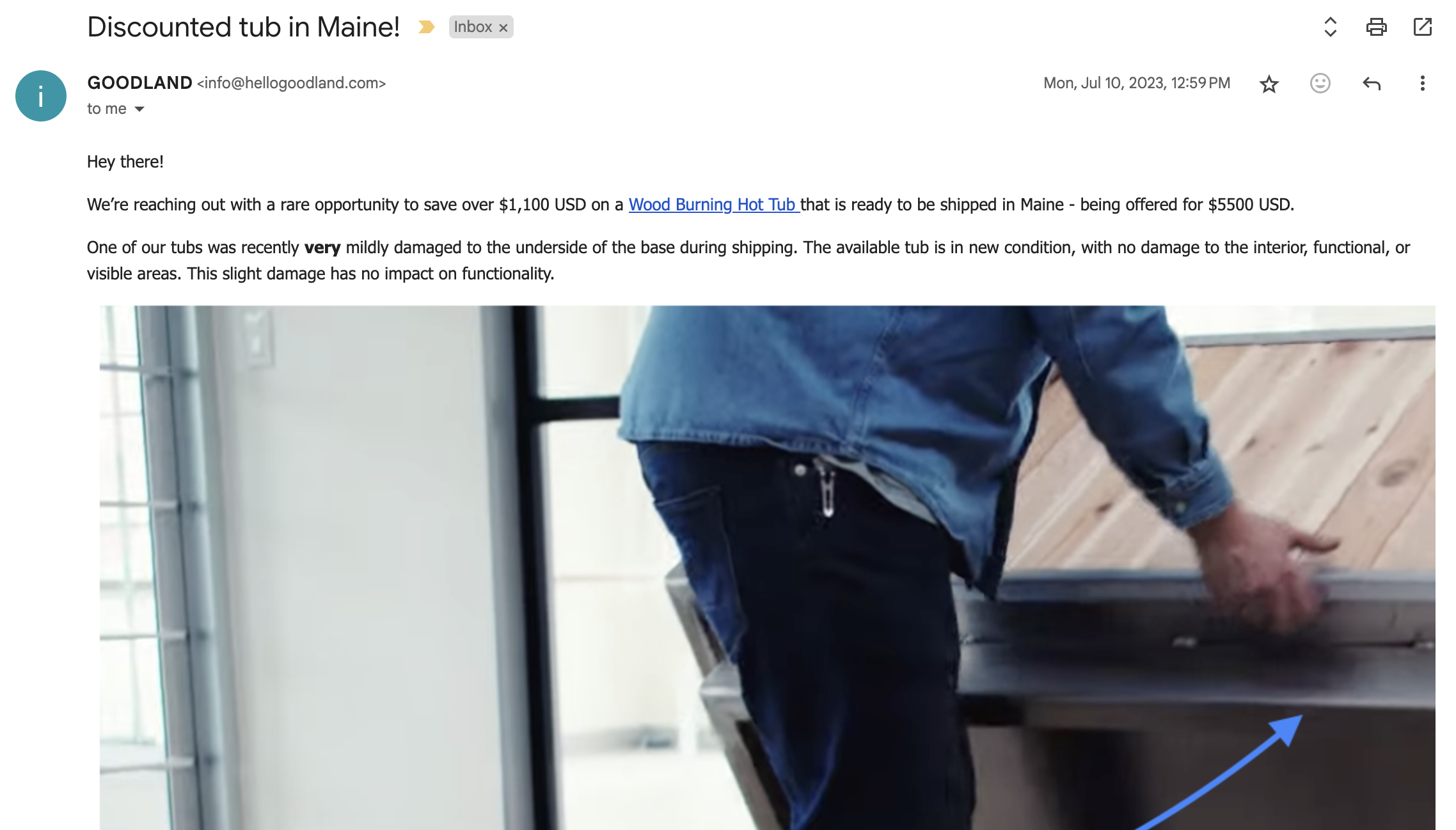
 For us it’s easily been worth the money. Honestly the first time I used it in the dark and the cold – and more recently, the snow – and looked up at the stars while floating in 100 degree water, it was worth it.


 sogrady.org